
Consumer
The surface you choose changes furniture. Veneer gives you a real wood finish without using solid timber through the full thickness of the panel. It suits furniture and interior work where grain, colour and weight all need attention.
For Indian homes, the choice depends on use. A dining table faces food, heat and moisture. A wardrobe needs easy cleaning. A wall panel may need a particular grain and colour. This guide covers types of veneer sheets, finishes, uses, care and key buying checks.
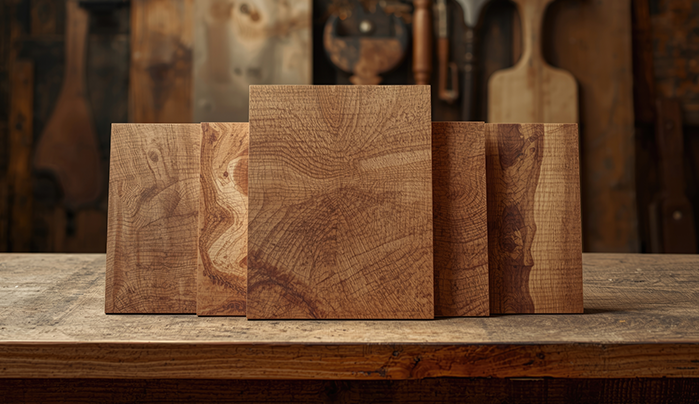
Veneer is a thin layer of real wood fixed over a base board. The visible layer gives the grain and colour, while the core provides the main body. This can make furniture lighter than solid-wood furniture and reduce the timber required for the visible surface.
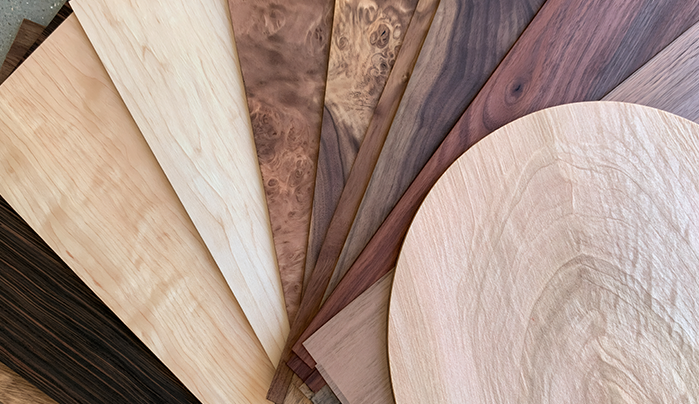
The following are the main types of veneer:
Natural veneer preserves the wood's original look. Grain can vary from one piece to another, giving furniture a less uniform appearance.
Reconstituted veneer creates a planned pattern. It can suit wardrobes, wall panels and furniture where several surfaces need to look consistent.
Dyed veneer receives colour treatment before the final finish. It gives more choice when a natural wood shade does not match the room.
Paper backing gives the veneer extra support during handling. It can also help when the material needs to cover a slightly curved surface.
Wood species determine the veneer’s colour and grain. Common choices include teak, walnut, oak, ash and sapele.
Teak has a warm golden-brown colour with darker grain lines. It suits dining tables, cabinets and doors where a traditional wood look is preferred.
Walnut has a deep brown colour and can have straight or slightly wavy grain. It suits dining tables, wardrobes, cabinets and TV units with darker interiors.
Oak has a light colour and visible grain. It suits tables, wardrobes, cabinets, office furniture and wall panels.
Ash has a light colour and straight grain. It suits cabinets, wardrobes, wall panels and furniture where a lighter wood appearance is preferred.
Sapele has a reddish-brown colour and a distinct grain. It suits furniture, cabinets, doors and interior panels where a warmer, richer wood tone is wanted.
Check a physical sample before choosing a species. Natural wood can vary in colour and grain between sheets.
The finish affects the appearance and protection of the veneer. Choose it according to the furniture’s use.
Polyurethane forms a protective coating over the veneer. It suits surfaces exposed to regular handling, spills and everyday wear, including table tops.
Lacquer gives veneer a smooth surface and can have a matte, satin or glossy appearance.
Oil brings out the wood grain and gives the surface a natural appearance. Oiled veneer may need periodic maintenance.
Melamine provides a smooth, easy-to-clean surface and suits furniture that needs simple daily maintenance.
Always check the finish manufacturer's instructions for the recommended application and care.
Veneer sheets can suit many indoor applications such as:
Follow the points below to choose the right veneer for your furniture.
A dining table is frequently handled and may experience spills. A wall panel has less contact. Choose the finish and construction accordingly.
A bold pattern can become a main feature. A quieter grain may suit furniture that already has several design details.
Compare the sample with the floor, walls and other furniture. Check it under the light used in the room.
Look for the protection the surface needs against stains, moisture and heat. Also ask which board will sit underneath. The face material and base should both suit the furniture.
Wipe spills quickly and remove dust with a soft cloth. Use a slightly damp cloth when needed, but do not leave water on the surface.
For regular care:
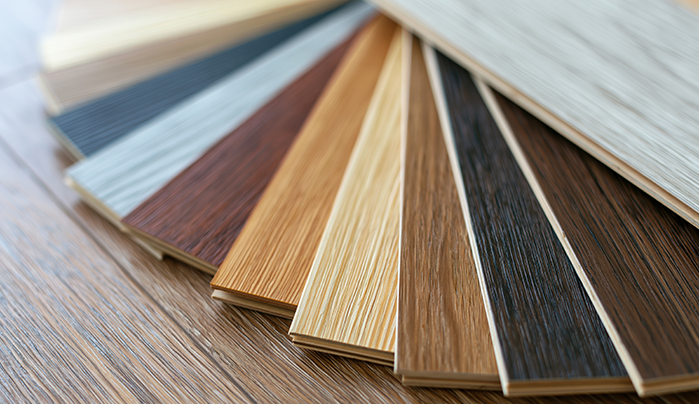
CenturyVeneers offers natural and reconstituted veneer ranges with different colours, patterns and collections for interior work. Its published range includes Natzura Woods and Senzura Styles.
Points worth checking include:
Its Senzura Styles range uses genuine plantation wood and a controlled process to create repeatable patterns. Check the exact product because specifications can vary.
Choosing veneer sheets is easier when you consider the entire furniture piece. Check the wood species, grain, colour, finish and baseboard. Then consider heat, moisture, sunlight and daily handling.
Use a sample, but do not rely on it alone. Compare it with the room and ask for the exact product details before ordering.
Yes. Veneer can suit dining tables when the finish and baseboard match regular food, moisture and heat exposure.
Teak, walnut, oak, ash and sapele can all suit table surfaces. The choice depends on the colour, grain and finish you want.
Match the material to the room, furniture use, grain, colour and finish. Also check the baseboard and the recommended application.
Loading categories...


