
Consumer
The weight of a plywood sheet can tell you there is a difference between two sheets, but it does not tell you which one suits your furniture. Plywood density can affect how a sheet handles daily use, furniture loads and fittings. This guide explains what affects density, where it matters and how to choose the right plywood for different uses.
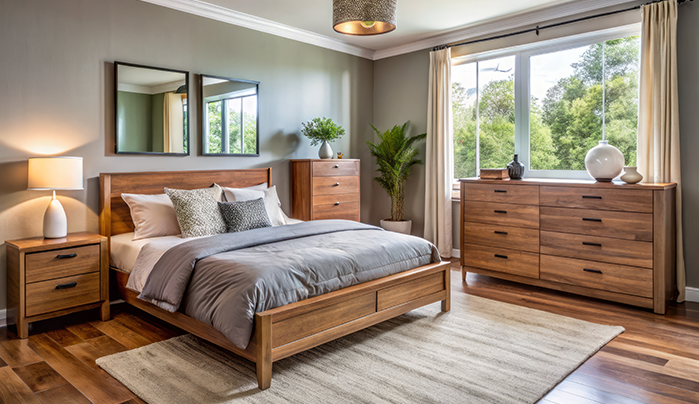
Plywood density tells you how much material is packed into a certain volume of plywood. A higher value means the sheet contains more mass within that same volume.
Timber species, veneer layers, the core, adhesive and moisture can change the figure. Two sheets of the same size may therefore weigh differently. Weight alone cannot show whether plywood suits a job. Check the grade and construction too.
Plywood density affects several aspects of how a sheet performs in furniture and interior work. The main points to consider are:
A dense, well-built panel can carry useful loads when its thickness and construction suit the job. Shelves, cabinets and table tops place different demands on plywood. Support spacing also affects load capacity.
Furniture gets used every day and can face knocks, movement and wear. Good plywood construction helps it stay strong and reduces damage to edges and joints.
Hinges, handles and drawer channels need firm fixing points. Consistent material and a sound core can improve screw grip. Screw size, edge distance and joint design also affect the result.
Density does not make plywood waterproof. Moisture performance depends on the grade, adhesive system, timber and manufacture. A wet sheet may weigh more, so extra weight is not proof of quality.
The following are the main factors that affect plywood density.
Different woods have different natural densities. The species used in the veneers therefore affects the finished sheet's weight and physical properties. Hardwood and softwood plywood can differ for this reason.
The number and arrangement of veneer layers affect the panel. Balanced layers help spread stress through the sheet.
The core affects the sheet's quality. Gaps, loose joints or uneven sections can weaken plywood during cutting, fixing or loading.
Pressing, adhesive bonding, drying and calibration affect the finished panel. Consistent production helps control thickness, bonding and material distribution.
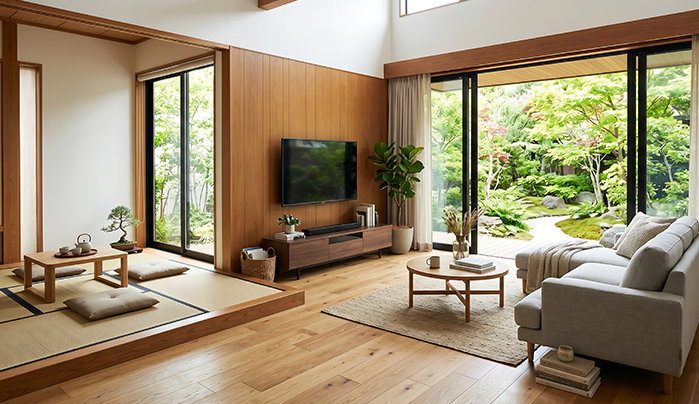
The main applications are listed below.
Furniture panels need suitable strength for their size, fittings and stored load. Check thickness, grade and core with density.
A table top needs support and resistance to bending. Size, thickness and support spacing should guide the choice.
Wardrobe panels carry shelves, shutters, drawers and hardware. The plywood should hold fittings firmly and stay stable during use.
Shelves can carry steady loads for long periods. Span and thickness affect sagging, so density should not be considered alone.
Kitchen units face handling, water, steam and cleaning. Select a suitable grade, then check thickness, core and other specifications.
Decorative panels usually carry little load. Weight, surface quality, thickness and installation can matter more than maximum density.
Follow the process below to choose the right plywood density for your home.
Start with the load the panel must carry. A bookshelf needs different construction from a light wall panel.
Choose the sheet for the job. Storage furniture, kitchen units, table tops and decorative work have different demands.
Density and thickness describe different things. A thick sheet is not automatically dense, and a dense sheet is not suitable for every load.
Check the exposed edge where possible. Even layers, tight joints and a consistent core indicate sound construction.
Read the product information. Check grade, intended use, thickness and relevant standards. Do not use weight as the main test.
Consider where the plywood will sit. Damp areas need a suitable grade and bonding system. Dry indoor use has different requirements.
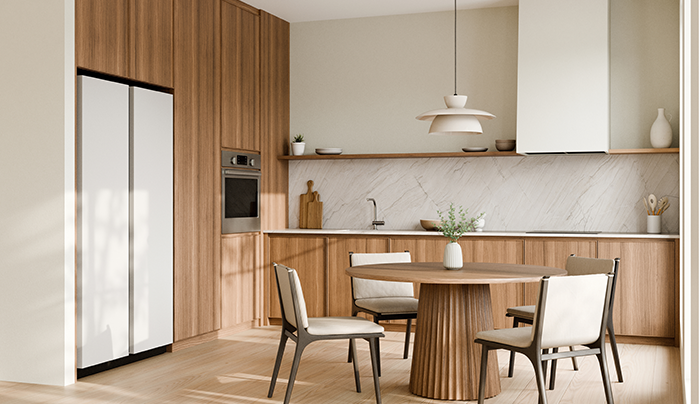
CenturyPly has plywood options for different furniture and interior needs. Its current range includes Architect Ply, Club Prime, Classic Marine, Sainik 710, Win MR and Sainik MR.
Check the grade, thickness, application and product specifications before choosing a sheet. CenturyPly also provides a dealer locator for finding authorised sellers.
Plywood density indicates how much material is in a sheet, but it does not provide the full picture. Timber species, veneer construction, core quality, thickness, bonding and grade also affect the panel.
For furniture, choose the sheet according to load, room conditions and construction. Check the full specification before buying. Plywood density can help with comparison, but it should not be the only deciding factor.
Yes. For sheets of the same size and thickness, a denser sheet will usually weigh more. The final furniture weight also depends on the design.
Moisture can increase plywood weight and change its physical condition. Follow the manufacturer's storage and use guidance.
It can be, but shelf performance also depends on thickness, span, support and load. Density alone cannot predict sagging.
Denser plywood may require more cutting effort and suitable tools. The timber, adhesive, thickness and equipment all affect machining.
No. Furniture pieces carry different loads and face different conditions. Choose by application, thickness, grade, core quality and required performance.
Loading categories...


