
Consumer
The concept of the butterfly effect suggests that a slight change can lead to very significant results. The same can be said about your door – picking the wrong plywood may cause your door to start swelling after several months, its hinges to become stiff, the edges to peel off, or the door not to close properly.
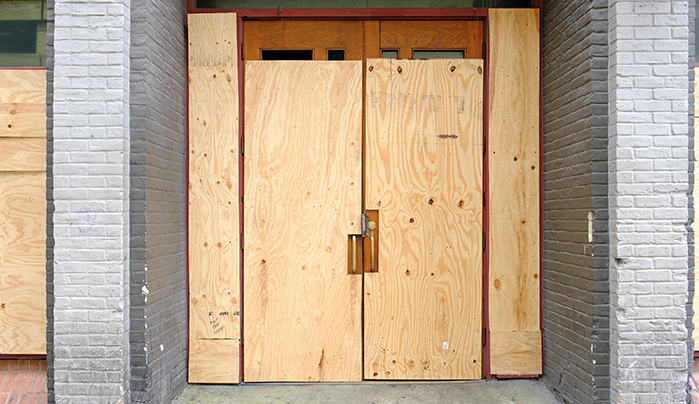
However, when selecting the material, most people focus on the colour, finish and hardware. Why? Because the plywood lies beneath the finish, working in the background unnoticed.
This is exactly why an ounce of prevention is worth a pound of cure. In this blog, you will learn how to pick the best plywood for door applications according to grade, moisture exposure, durability, and construction.
Selecting the best plywood for doors becomes simpler once you distinguish between grade and type. Grade indicates moisture resistance, while type refers to the plywood's makeup or application.
Plywood grades:
Plywood types:
The key takeaway? Grade tells you about moisture resistance; type tells you what the board is designed to do.
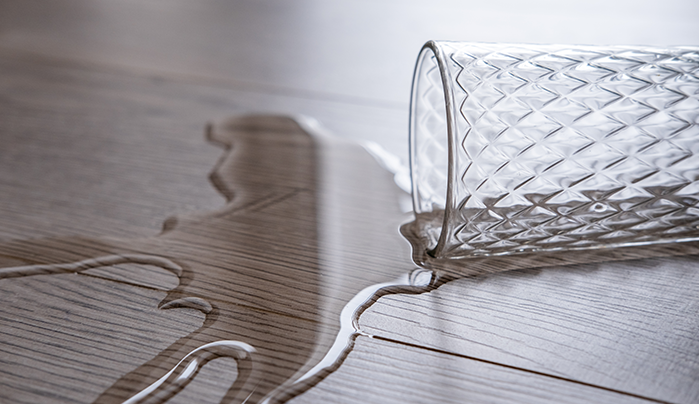
Still deciding? Put the room first, then pick the grade. This keeps things simple and avoids spending more than you need.
| Door location | Suitable grade | Why |
|---|---|---|
| Bedroom | MR | Usually lower moisture exposure |
| Living room | MR | Generally dry conditions |
| Kitchen | BWR/BWP | Higher humidity and occasional moisture |
| Bathroom | BWP | Frequent moisture exposure |
| Balcony-facing door | BWP | Greater exposure to damp conditions |
| Exterior door | BWP | Better suited to higher moisture exposure |
The exact choice should also account for the door's construction, exposure and finish, not just its location.
Found a plywood grade you like? Great. Now look beyond the letters. A reliable door depends on more than MR, BWR or BWP.
BIS requirements for plywood include parameters such as moisture content, water resistance, bending properties, core construction and artistry. In other words, the label starts the conversation; the specifications finish it.
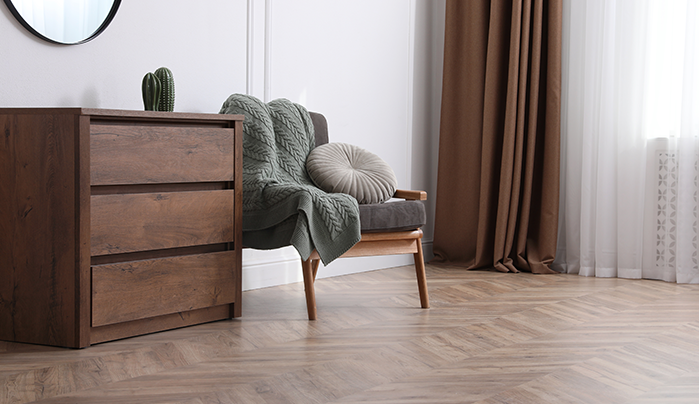
Before saying, “Done, pack it,” take a minute to verify the basics to buy the best plywood for doors. These checks can help you avoid buying plywood based only on a salesperson's pitch.
| Check | What to verify |
|---|---|
| Grade | MR, BWR or BWP is clearly specified |
| BIS compliance | Relevant standard and marking are stated |
| Surface | No obvious defects, unevenness or damage |
| Core | Check for visible gaps or poor construction |
| Thickness | Confirm the specified thickness |
| Documentation | Ask for product specifications and warranty details |
For doors, remember that plywood is only one part of the finished shutter. Door construction, core material and hardware also influence final performance. IS 2202 Part 1 specifically covers solid-core wooden flush-door shutters and includes performance requirements such as flexure, shock, slamming and screw-withdrawal resistance.
Still confused about choosing the best plywood for doors? CenturyPly has a broad plywood range, so you can choose based on the door’s performance needs, moisture exposure and project requirements rather than settling for one generic option.
When you invest in a door, you want confidence in what sits beneath the finish too. CenturyPly’s Total Cover Warranty applies to eligible Architect Ply and Club Prime purchases. To access its benefits, register within 90 days of purchase and keep your invoice, WRN and warranty certificate safely.
Also, CenturyPly’s Plywood Requirement Calculator lets you select doors, enter project dimensions and quantities, and estimate the approximate number of plywood sheets required before you buy.
Choosing the best plywood for door applications comes down to matching the material to your door’s environment, construction and everyday demands. A little homework now can prevent expensive fixes later.
CenturyPly makes that decision easier with a wide plywood range, professional design support and six digital tools, including a plywood calculator, 2D and 3D visualizers, Design Navigator and Colour Picker. Find your right plywood today!
The lifespan of the product depends on plywood quality, construction, installation, maintenance, exposure to moisture and use. Properly selected and maintained doors can perform well; however, there is no universal answer.
Neither type is better by default. While plywood is easier to manufacture, more dimensionally stable and easier to finish in various ways, solid wood possesses different characteristics.
Yes, it depends on the product. Don’t take their word for it; look for documented termite or borer protection. It is also important to fully protect the surrounding wood frame with treatment.
Loading categories...


