
Consumer
Contemporary interior design is no longer defined through the use of colors and furniture alone. Today, lighting is increasingly considered a material that can be utilised to achieve unique designs in interiors. A great way to achieve lighting design in an interior is through the use of architectural louvers and lighting.
When integrated in the right manner, this combination turns dull surfaces into tactile visual expressions of rhythm, contrast, and shadow.
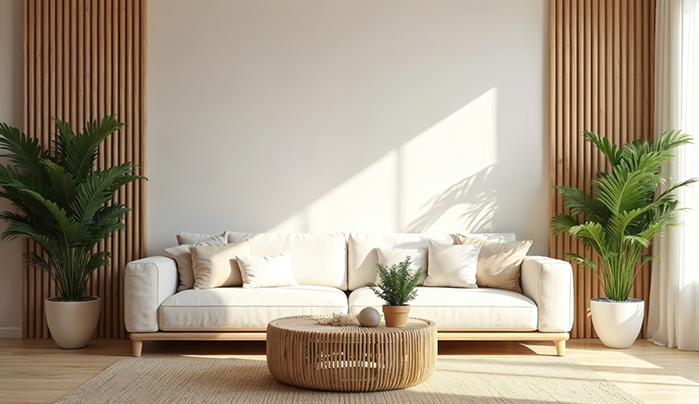
Linear or patterned elements, louvers modulate views, airflow, and light infiltration. The role of louvers has transcended their functionality in interior spaces to aesthetic storytelling. Treated as decorative dividers, feature panels, or even facade-style installations, louvers bring geometry and repetition, two powerful design mechanisms, into a space.
But the real strength of louvers lies in their interaction with light. Louver spacing, the angle at which they sit, and their depth will determine how shadows fall, making them ideal for dynamic interior spaces.
Lighting shapes how a space feels before its details are fully understood. Directional lighting, combined with texturized surfaces, provides highlights, shadows, and depth.
Unlike flat lighting, angled or hidden lighting helps emphasize texture by placing emphasis on form rather than surface alone. When lighting hits louvers at an angle, it creates a series of intersecting shadows that vary depending on the viewpoint, even in non-moving spaces, creating a sense of animation.
The effects of louvers and lighting can be best achieved when designed together, and not separately. Louvers can be considered light filters, and lighting emphasizes this shape.
This grid integration has the following important effects:
This combination makes it possible for designers to create spaces that are alive without being overwhelming.
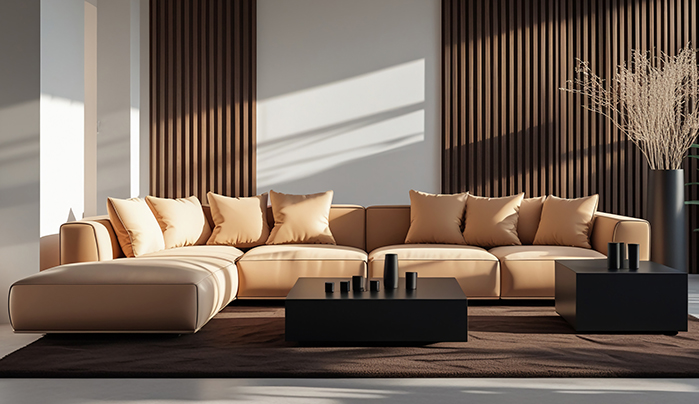
The choice of materials is very important in determining the nature of shadows. The effect is completely different in the case of a shiny surface than it would be for a matte surface.
Engineered panels & boards suitable for indoor use have been known to be consistent, stable, & sturdy. Contemporary products have been engineered to be boiling water proof, borer & termite-proof, & dimensionally stable. This makes them suitable for complex louvre details.
When combined with the decorative surface solutions of Century Laminates/Century Veneers, designers can also add depth.
Materials must be used within their intended design parameters. The application of louvers and decorative panels is suited to non-load-bearing, visual functions, such as:
It is important to ensure design integrity and long-term performance. The aim here is to improve the visual experience and not cover architectural elements.
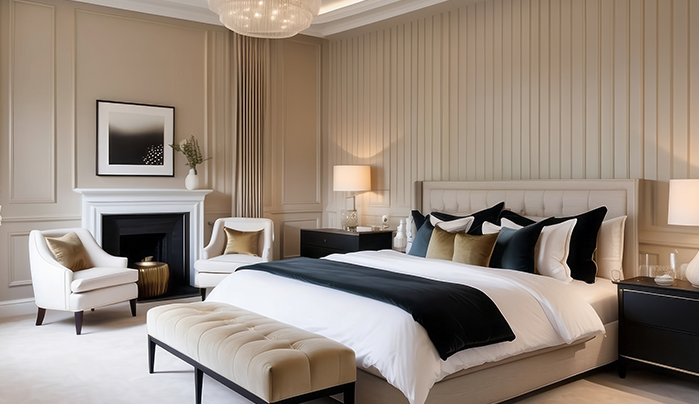
For optimal effectiveness, the following factors need to be taken into consideration by designers:
These are the details that help the design achieve a timeless quality rather than a trendy one.
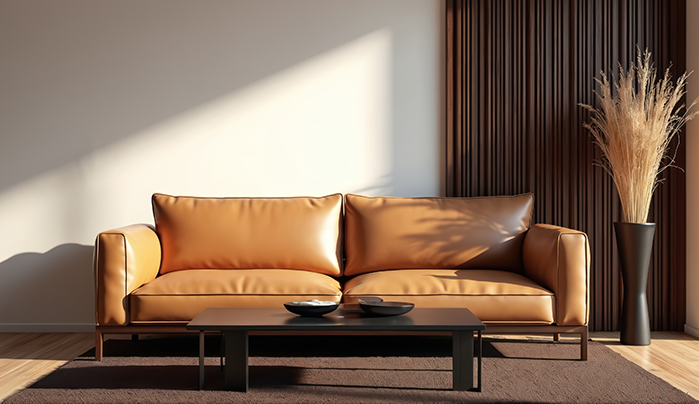
The use of louvers and lighting is more of a design language and a philosophy that values depth and movement, and a technique that explores the sensorial side of design. With meticulous use of materials and lighting, this design technique transforms interiors from static design to immersion design.
With each new movement in design that occurs, the interplay of light and darkness and texture will be the hallmark of good interior design.
Louvers add repetition, creating the ability for light to interact with the surface through layered shadows.
Directional lighting, as well as hidden lighting, is the most effective. This lighting avoids glare.
Yes, engineered boards for indoor applications can be used in decorative louvre designs, provided they are properly installed.
Absolutely. The reason is that matte surfaces have softer shadow areas, while the presence of smoother areas increases the sharpness of contrasts.
No. With the right finishes for the material and the color of the lighting, louvers can be used in either modern or transitional design.
Loading categories...


