
Consumer
A quiet home changes how you live. Conversations feel private, late work calls are easier, and sleep comes sooner. Flush doors play a small but powerful role in cutting noise inside a house. This post explains how flush doors work, what makes them effective at reducing sound, and the simple steps you can take when buying and installing one.
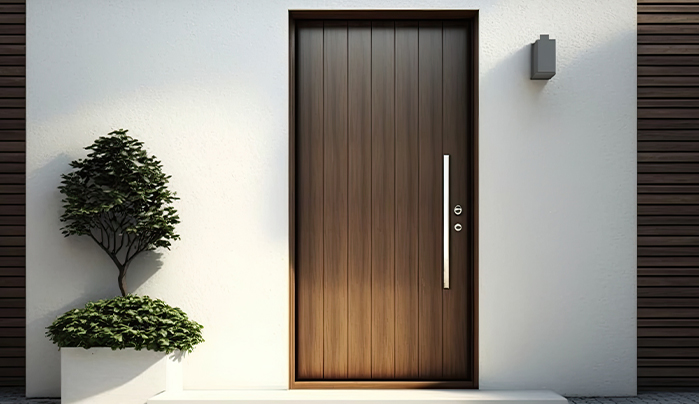
Flush doors are flat and smooth with few joints showing. The outside is usually covered with veneer, laminate, or a ready-painted skin. On the interior, the door may be solid or hollow. Hollow doors are lightweight and cheaper. Solid-core doors are heavier and more effective for soundproofing. In a residential application where noise is an issue, a solid-core flush door would be suitable.
Sound penetrates through openings and light materials. A flush door uses two methods to treat noise.
Combined, these two effects reduce the volume passing from one room to the next. Unlike elaborate acoustic panels, a good flush door offers benefits without affecting the room's visual look.
When selecting a flush door for quiet living, be careful of the following.
Solid cores work best for sound control, as do engineered wood cores or compact cores. Hollow cores are easily dented and allow more sound to pass through.
Thicker doors have more mass. Look for doors that conform to the manufacturer's recommendations for weight and core thickness.
Having a well-bonded veneer face or a laminate one helps with durability and keeps the surface uniform. Stay away from flimsy skins that may loosen over time.

A door that rattles at the hinges or leaves a large gap around the frame will not be quiet. Heavy-duty hinges and close tolerances are important.
Perimeter seals, drop seals, and threshold sweeps are used to seal the minute gaps through which sound leaks.
When shopping, insist on seeing cross-sections or technical sheets that list the core type and any fitted seals.
Even the best door will not reduce sound if it is fitted badly. A few common installation points to take note of:
The frame must sit square and true. Warped frames create gaps.
Use screws that reach into studs or proper anchors. Loose frames will move and cause paths for noise.
Install seals carefully. Perimeter seals should not drag the door in either direction but should evenly compress the door.
Wherever there's an uneven floor, a proper threshold or drop seal is essential to prevent a large air gap.
Have the door checked by the fitter after 3 days and again after a month. Timber and engineered components will settle and might need fine adjustments.
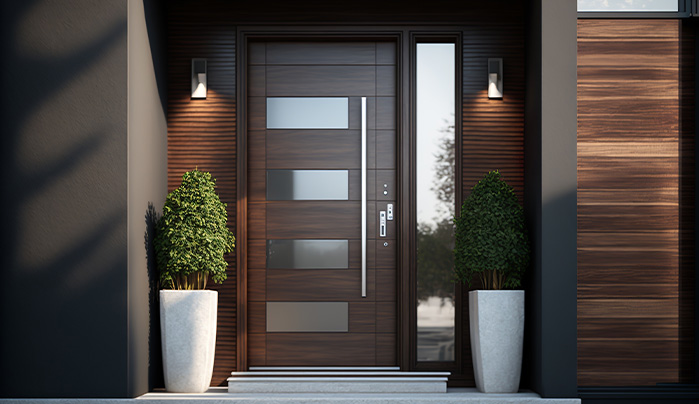
A flush door is part of the picture. Combined with other simple steps, it will produce better results.
Add soft furnishings to absorb reflections.
Curtains, rugs, and upholstered furniture absorb mid- and high-frequency noise.
Mind noisy surfaces.
Hard surfaces near the door should be treated with wall panels or fabric to reduce echoes.
Use door seals on both sides.
In some rooms, a double set of seals improves performance.
Quiet the frame.
Fit felt pads where the door meets the stop to dampen the contact and reduce slam noise.
If you work from home or need a quiet bedroom, then plan the bedroom door, frames, and a few soft furnishings together. The sum effect is greater than any individual change.
CenturyPly has a wide range of flush doors that cater to different performance requirements and budgets, all while maintaining the highest quality and durability.
Key Features
Product Range

A flush door is a quiet, easy improvement that can positively impact day-to-day life. For homeowners who want peace, the right flush door adds to a home where work, rest, and play are seldom disturbed by noise.
A solid-core door is probably quieter than a hollow one, as solid-core doors are heavier. The magnitude of noise reduction may depend on the core material, the seals, and the installation.
Yes. Perimeter seals and threshold sweeps can be installed on an existing door. Ensure the seal fits the door and frame, and professional installation is necessary for heavy or warped doors.
Heavy doors need strong hinges and frame fasteners. Installers use longer screws and larger hinges to handle the weight and keep the door in place.
Yes. They will help, particularly if the door leads to a quieter room or a walled courtyard. For areas with heavy traffic, extra window glazing and wall insulation may be needed.
Loading categories...


