
Consumer
In many Indian households, the idea of “finishing” a home is not that simple. A house is completed, yes, but a home keeps adjusting itself over time. Cupboards get repurposed. Storage fills up in ways no one planned for. Rooms change roles. What remains constant, usually unnoticed, are the materials that support all of this quiet change. You build and rebuild constantly, but the aim is to build things that last decades.
CenturyPly’s plywood solutions are built around this idea of continuity. They are meant to keep doing their job long after the initial decisions have been forgotten.
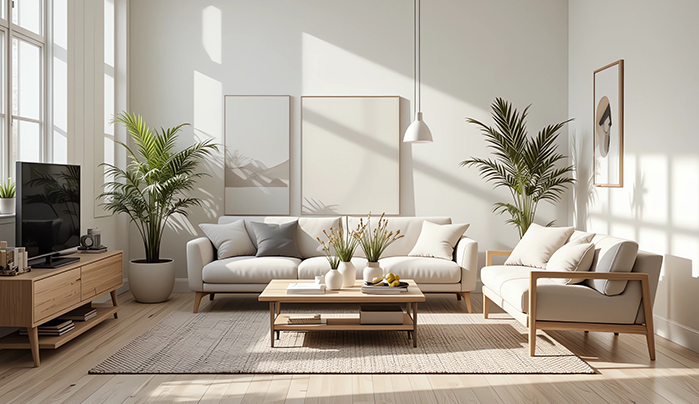
Most issues in a home do not appear all at once; they arrive gradually. A hinge feels slightly strained, a panel no longer feels firm when pressed, and there is nothing alarming enough to act on immediately. This gradual change is common in India. Seasonal humidity, daily cooking, and frequent use slowly affect materials. Often, by the time damage is obvious, it has already progressed significantly.
Materials chosen with only immediate use in mind rarely cope well with this kind of slow pressure. Premium plywood responds differently. Its usefulness shows up in how little it changes over time.
Plywood is often judged by how it looks when new. Smoothness, colour, and finish tend to dominate attention. Yet the surface tells only half the story. The internal structure also matters.
The core quality, the bonding between layers, and the conditions under which the board is produced all influence how it ages. A strong hardwood core helps the board resist gradual bending. Even bonding ensures that layers do not begin to separate quietly.
CenturyPly plywood is developed with these important factors as a priority. The intention is not just to create something impressive at first glance, but something that holds up predictably after repeated use.
Fire safety is one of those subjects people rarely think about until they have to. Yet the way materials respond in a fire situation depends on decisions made long before any incident occurs.
Firewall Technology refers to fire-retardant treatment applied during the manufacturing process. Plywood with Firewall Technology is designed to slow the spread of flames and reduce the speed at which fire moves through interior elements.
This does not change daily living in any visible way. The value of such a feature lies in its permanence. It remains present quietly, without requiring maintenance or attention.
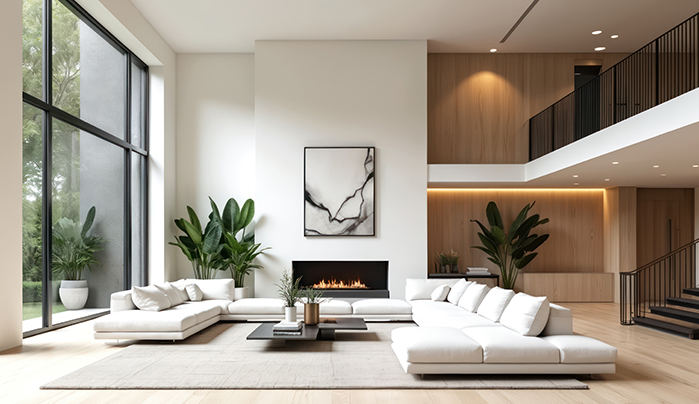
In many homes, moisture is not limited to monsoons or accidents. It comes from cooking, cleaning, and ordinary routines. Over time, this constant exposure begins to affect materials that are not designed to handle it.
Ordinary plywood often weakens slowly under such conditions. Bonding loses strength, sometimes without obvious signs. Premium plywood from CenturyPly is boiling water-proof.
This quality becomes particularly relevant in spaces where moisture is unavoidable, like the kitchen. The benefit becomes clear years later, when interiors remain intact while others begin to show stress.
Borers and termites rarely make themselves known early. Their work often begins inside the board, leaving surfaces untouched. When signs finally appear, structural damage has usually progressed far.
Using borer- and termite-proof plywood helps reduce this risk. The protection is internal and long-lasting. Over time, this becomes one of the less visible but more valuable characteristics of premium plywood.
In homes meant to be occupied for many years, avoiding such hidden damage prevents disruptions that are both costly and inconvenient.
Homes are lived in, and everyday life puts a certain pressure on them. Storage spaces take on more than they were designed for. Doors are opened hurriedly. Maintenance is postponed when life gets busy.
Premium plywood is developed with this reality in mind. It holds fasteners well, maintains shape under load, and resists gradual weakening. This is especially relevant in compact homes, where furniture is used intensively.
Over long periods, this resilience reduces friction. Things continue to function without drawing attention to themselves.
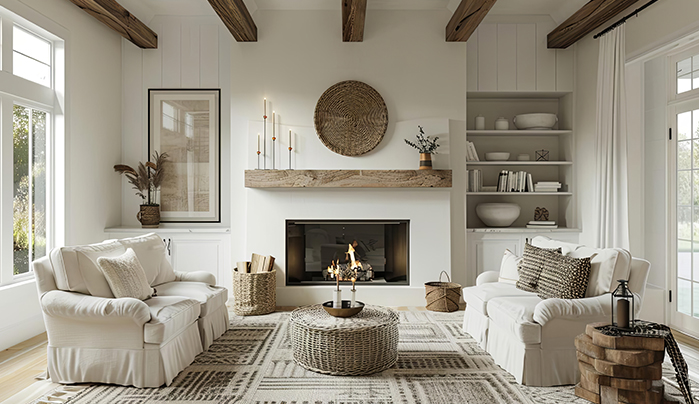
At the time of purchase, premium plywood often raises questions about cost. The difference is visible and immediate. What is less visible is how cost accumulates when materials do not last.
Lower-grade plywood may need repairs or replacement sooner than expected. These situations rarely occur at convenient times. Premium plywood avoids many such issues simply by remaining stable.
When cost is considered across ten years rather than at the point of purchase, the picture changes. Fewer repairs and fewer disruptions become part of the value.
One of the quiet benefits of choosing the right material is that it disappears from thought. When things work as expected, attention moves elsewhere. As homes age, this reliability becomes more noticeable. Instead of planning repairs, homeowners focus on adjusting spaces, adding storage, or changing layouts, confident that the underlying structure will hold.
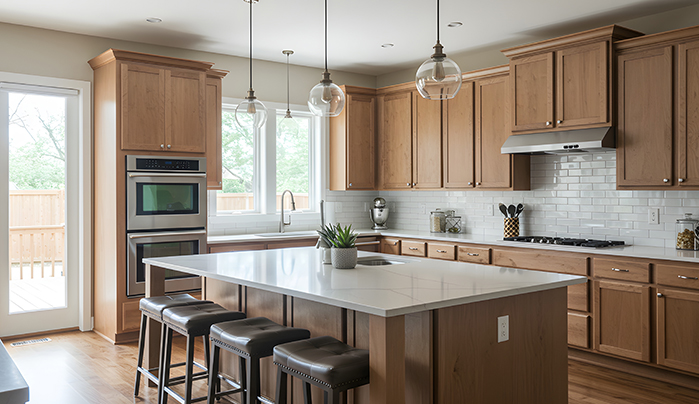
Homes change gradually; they shift, and furniture is repurposed. What should remain steady is the material foundation supporting these changes. CenturyPly’s premium plywood fits naturally into this long-term way of thinking. It is not chosen for impact. It is chosen because it continues to make sense years later.
For Indian homes built with the expectation of longevity, this kind of material choice is about practicality.
In practice, homes are rarely used in a fixed manner over long periods. Furniture is shifted, storage loads increase, and usage becomes uneven. Premium plywood is generally selected because it tolerates this gradual change with fewer structural issues appearing over time.
The visible surface does not indicate how the material will behave after years of use. Performance is largely affected by the quality of the internal core and the strength of bonding between layers. Weak internal construction usually shows its effects slowly rather than immediately.
Moisture exposure in Indian homes occurs through everyday activities, not only seasonal weather. Cooking, cleaning, and humidity contribute continuously. Plywood that lacks moisture-resistant quality often deteriorates internally, while moisture-resistant plywood maintains bonding strength for longer periods.
Pest activity usually begins inside the material and remains unnoticed initially. Structural weakening often becomes visible only after significant damage has occurred. Pest-resistant plywood reduces this risk by limiting internal infestation over extended use.
The initial cost difference is immediate, whereas maintenance costs are delayed. Over several years, materials that remain stable tend to require fewer repairs and replacements, which alters the overall cost comparison when viewed over a longer period.
Loading categories...


