
Consumer
Homes today are doing more than ever before. A single room may be used for work in the morning, relaxation in the evening, and social time at night. Furniture and surfaces are no longer designed for just one purpose. Instead, spaces need to adapt easily as the day and lifestyle change.
This shift has changed how interiors are planned. Rather than fixing one function to one room, designers now focus on how people move, sit, work, and relax throughout the day. Materials that support this flexibility are becoming more important. Plywood is one such material. It works quietly in the background and helps spaces function well today while staying ready for future changes.
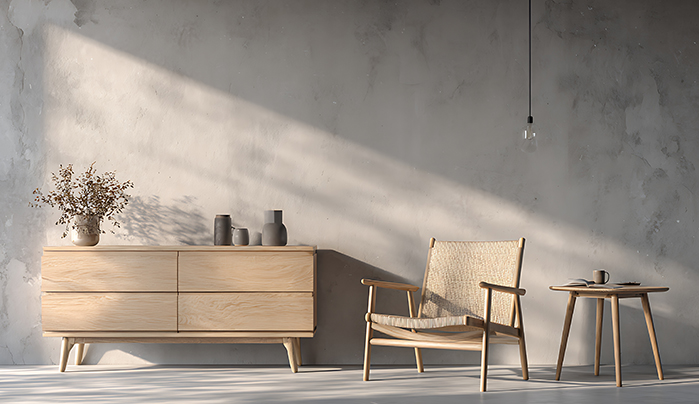
Why homes need to do more:
Because of this, one room may need to serve many purposes. A living room may also be a workspace. A bedroom may include storage, study, and rest areas.
To avoid frequent renovations, materials must:
Plywood supports this approach by allowing interiors to adapt without losing strength or function.
Plywood is made by bonding layers of wood together. This layered structure gives it strength and stability, making it suitable for furniture and built-in elements that are used daily.
Key reasons plywood works well:
strong>Plywood furniture can be shaped to fit small corners, narrow walls, or changing needs. This makes it easier to redesign a space without replacing everything.
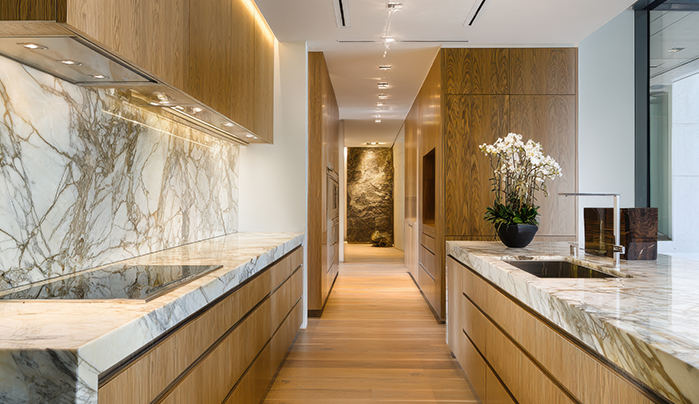
Water-resistant plywood handles occasional spills and damp conditions better than many other materials. This makes it a practical choice for homes where different activities happen throughout the day.
Furniture in multifunctional spaces often needs to do more than one job. Plywood supports this flexibility well.
Common uses:
Plywood is also used for modular furniture and layouts. These can be rearranged or adjusted later without major construction work. This helps interiors stay useful as lifestyles change.
Plywood has improved over time. Modern manufacturing focuses on better performance and longer life.
How technology helps:
Now, plywood is treated to resist common issues such as pests. This is especially useful for furniture and storage that see everyday use.
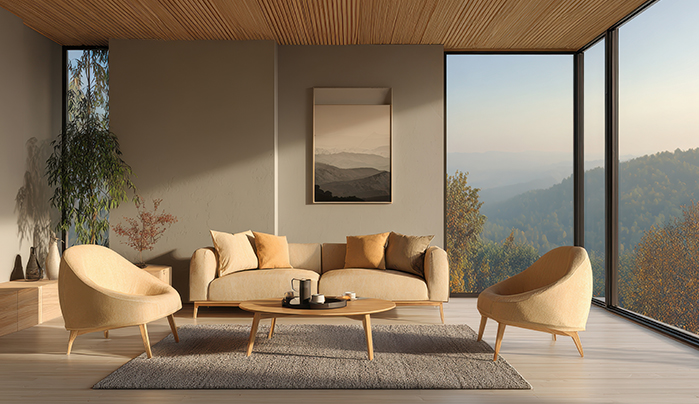
CenturyPlyoffers plywood solutions made for modern, multifunctional interiors. Its plywood is designed to support furniture and built-in units that are used daily across changing routines.
Why it fits adaptable spaces:
CenturyPly plywood helps interiors stay dependable while allowing furniture and layouts to adapt over time.
When selecting plywood for flexible interiors, it is important to think beyond appearance.
What to check before choosing:
Understanding these points helps prevent problems later and supports better planning.
As spaces change, good-quality plywood continues to perform well. Its layered structure helps furniture stay stable even when layouts or uses evolve.
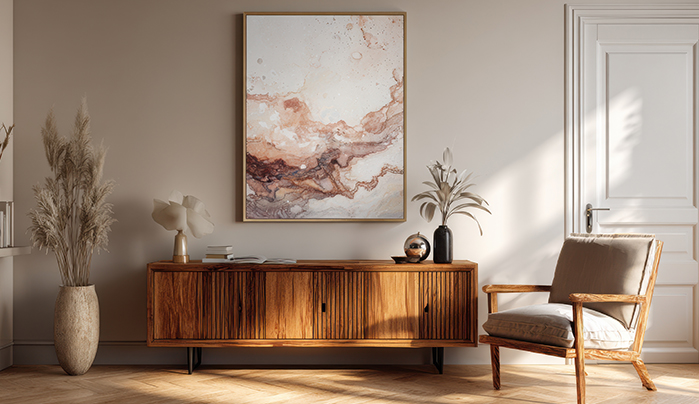
Planning for the future reduces the need for repeated renovations. Choosing adaptable materials allows spaces to grow naturally with changing needs.
Plywood offers a balance of strength and flexibility. With thoughtful planning, it supports interiors that remain functional, comfortable, and easy to update over time.
Because it is strong, stable, and flexible, making it suitable for furniture and storage that serve changing needs.
Yes, plywood can be easily customised to suit specific layouts and space requirements.
Its strength, adaptability, and consistent performance over time.
Yes, plywood is designed to handle regular use while maintaining its shape.
Improved manufacturing and treatments increase durability and long-term reliability.
Loading categories...


