
Consumer
What is plywood? It sounds like a silly question. Doesn’t it? Everyone knows what plywood is. Or at least we think we do. It is the brown board used everywhere, from cupboards to doors to the bed. But most people only know plywood at a surface level. They know the name, not the science behind it.
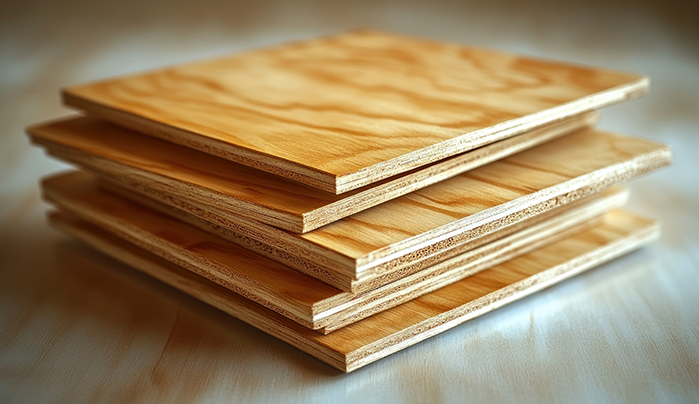
Plywood is not raw wood. It is an engineered wood, created to handle moisture, load, and daily use better than solid timber. The layers, the bonding and the pressure used during manufacturing all serve a purpose. In a climate like ours, where moisture and temperature keep changing, this engineering makes a lot of difference. Knowing what plywood really is helps you understand why it has replaced solid wood in so many applications. This guide is going to provide you with all the information you will ever need to know about plywood. So keep reading!
Plywood is a multi-layered wood board made by cross-bonding thin sheets of wood veneer together using adhesive and pressure. Each layer is placed at 90° cross layering of cores, which gives plywood high strength, stability, and resistance to warping compared to solid wood. A finished face veneer on the top and bottom adds smoothness and visual consistency, making plywood suitable for furniture, doors, interiors, and structural use. This structure gives plywood its strength and dimensional stability, reducing common issues seen in solid wood.
The idea of layering wood is not new. Ancient Egyptians used thin wood layers in furniture. The concept existed, but the technology was limited. Modern plywood emerged in the early 20th century. Industrial machinery made it possible to peel logs into thin veneers. Strong adhesives made bonding reliable. Mass production followed. As construction and furniture demand increased, plywood evolved.
CenturyPly manufactures plywood designed specifically for Indian conditions, where heat, humidity, and heavy use are common.
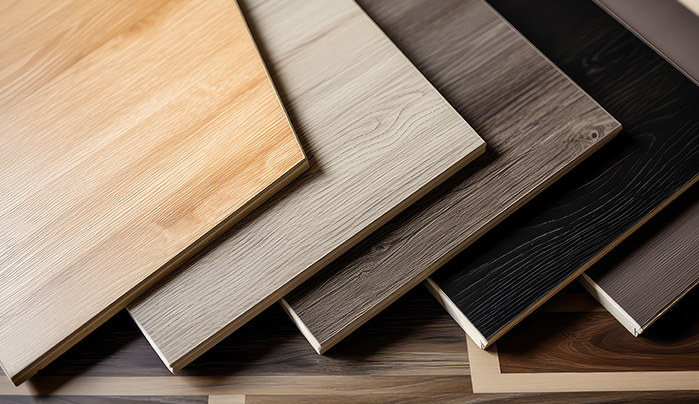
Plywood manufacturing is a controlled and technical process. Each step affects the final quality.
Step-by-step manufacturing process:
The adhesive used plays a major role. Water-resistant and boil-proof resins are used for exterior and marine plywood.
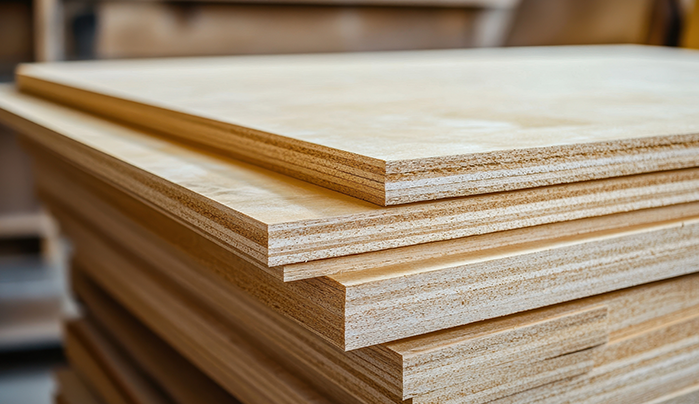
Different uses need different plywood. One type does not fit all. Common types of plywood and uses:-
| Type of Plywood | Key Feature | Common Use |
|---|---|---|
| MR Plywood | General purpose | Furniture, interiors |
| Boiling Water Resistant (BWR) plywood | Strong moisture resistance | Kitchen furniture, wardrobes, interior cabinetry |
| Boiling Water Proof (BWP) or Marine plywood | Fully waterproof and highly durable | Sinks, bathrooms, outdoor furniture, heavy-duty interiors |
| Structural plywood | Load-bearing strength | Construction |
| Hardwood plywood | Smooth finish | Premium furniture |
| Softwood plywood | Lightweight | Roofing, sheathing |
| PVC plywood | Waterproof and termite-proof | Wet areas, modular kitchens, bathroom cabinets |
MR plywood known as commercial plywood is fine for basic indoor work. It’s not meant for wet areas or rough use. Most people use it for wardrobes, shelves, and simple furniture.
BWR plywood can handle some water exposure. It doesn’t fail immediately in damp conditions. It’s often used in kitchens and utility areas.
BWP plywood stays stable even with constant water contact. The bonding doesn’t give up easily. It’s used where moisture is unavoidable.
Structural plywood is chosen for strength. It supports weight and adds rigidity. Builders use it where load matters more than appearance.
Hardwood plywood feels denser and stronger. Screws grip better and last longer. It works well for furniture that gets used every day.
Softwood plywood is lighter and easier to move. It’s not meant for long-term furniture. It’s mostly used for temporary work or packing.
PVC plywood isn’t wood at all. Water, termites, and moisture don’t affect it. It’s commonly used under sinks and in bathrooms.
CenturyPly offers a range of plywood products designed with antibacterial surfaces, fire-retardant properties, and backed by the CenturyPromise assurance.
Plywood grades help buyers understand quality and appearance. Grades based on surface quality:
| Grade | Surface Quality | Typical Use |
|---|---|---|
| A | Smooth, no defects | Visible furniture |
| B | Minor defects | Cabinets |
| C | Visible patches | Structural use |
| D | Rough surface | Hidden areas |
Grades are often written as combinations like BB/BB or BB/CP. This shows the quality of both faces.
The thickness of the plywood refers to its strength. Standard sheet sizes are usually 8×4 feet. Thicker plywood is used for load-bearing furniture and flooring. Thinner sheets work for panelling and partitions.
Common thickness options include:
Plywood performs well because of its structure. Key performance traits:
This makes plywood dependable for long-term use.
Water is wood’s biggest enemy. Plywood handles moisture better than solid wood, but not all plywood is waterproof.
Using the wrong plywood in wet areas is a common mistake. Kitchens and bathrooms always need moisture-resistant grades. CenturyPly offers plywood that resists moisture and is ideal for use in such areas.
Plywood can be treated for fire resistance. Fire-retardant plywood slows flame spread. It reduces smoke generation. This is important in public buildings, offices, and high-rise homes. CenturyPly offers fire-retardant plywood options tested to safety standards. We ensure you get unmatched protection along with great value. With CenturyPly, there is no need for a compromise anywhere-both safety and budget are taken care of!

Plywood distributes the load evenly. It does not split easily. It handles screws better than MDF or particle board. Structural plywood is designed specifically for load-bearing use. It is used in floors, roofs, and formwork.
Choosing the correct grade saves money and prevents damage:
| Feature | Interior Grade | Exterior Grade |
|---|---|---|
| Adhesive | Moisture resistant | Boil-proof |
| Water exposure | Limited | High |
| Cost | Lower | Higher |
| Use | Bedrooms, living areas | Kitchens, outdoors |
Commercial plywood suits basic needs. Premium plywood offers better bonding, uniform cores, and longer life. Premium options from CenturyPly are designed for high-use areas and long-term durability.
When people talk about commercial plywood, they usually mean the basic option. It’s what gets used when the work is simple and the budget is fixed. It’s fine for cupboards, shelves, or furniture that stays indoors and away from water. It won’t fall apart immediately, but it also won’t forgive neglect. If the area stays dry and usage is light, it works. If not, problems show up sooner.
People pick commercial plywood mainly because it’s affordable and easy to source.
Premium plywood is a different conversation. It’s chosen when the furniture is expected to last and take daily use. Premium options from CenturyPly are designed for high-use areas and long-term durability. The core is stronger, the bonding is better, and the sheet feels more stable when you work with it. You’ll notice the difference during installation itself. It doesn’t chip easily and holds screws firmly. Over time, it handles humidity and weight much better.
This option costs more, but it reduces long-term headaches.
If you’re setting up a home you plan to live in, premium plywood usually pays for itself.
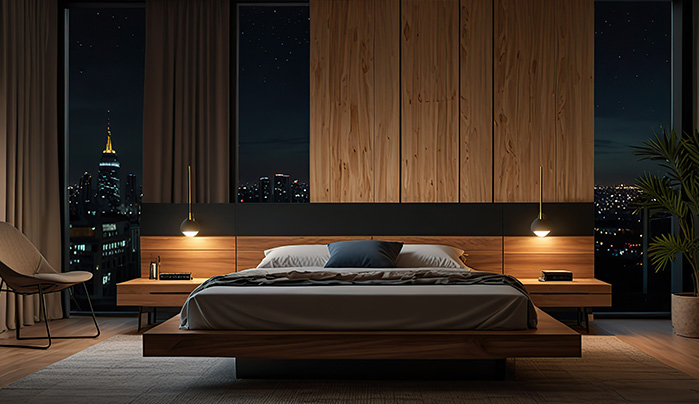
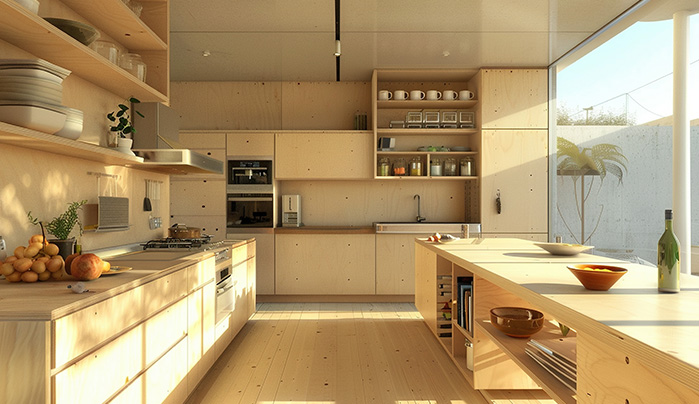
Plywood is a versatile material with a wide range of uses, valued for its strength, stability, and adaptability across different environments and requirements. Uses of plywood in the following areas:-
Plywood is widely used for:
It allows clean designs and strong joints.
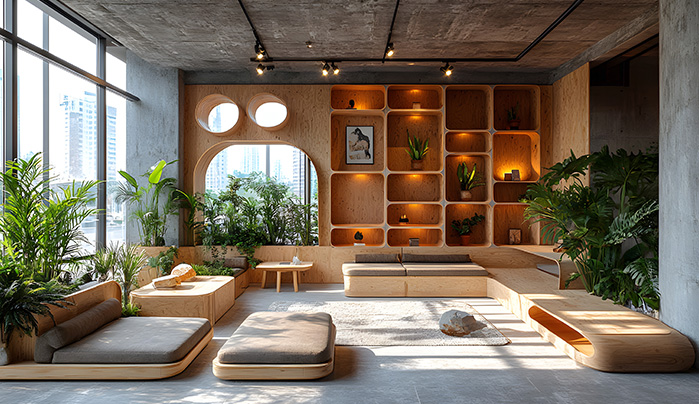
Used in:
Decorative laminates, veneers, and louvres are often applied over plywood for finishing.
Used in:
Structural plywood plays a key role here.
Choosing the right plywood for each space isn’t about upgrades or labels; it’s about how that room is actually used, day after day, and picking materials that won’t give you problems later.
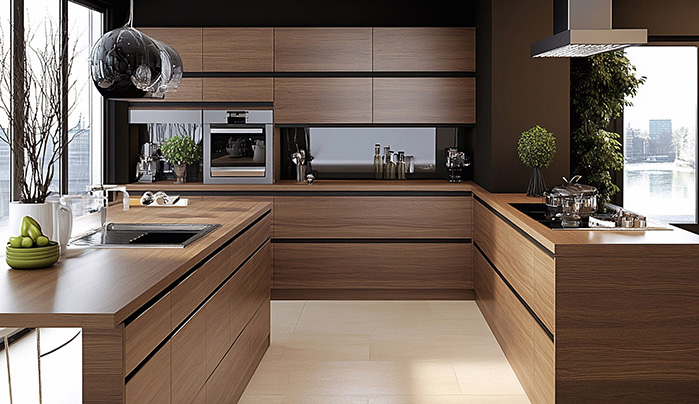
The kitchen is where plywood gets tested the most. Heat from cooking. Steam. Water splashes. Over time, weak boards start to swell or lose shape. That’s why most designers avoid basic plywood here. Moisture-resistant boards last longer and keep shutters from bending. Many homeowners choose plywood for kitchens from CenturyPly because the sheets stay stable even with daily use. It reduces repairs later.
What usually makes sense in kitchens:
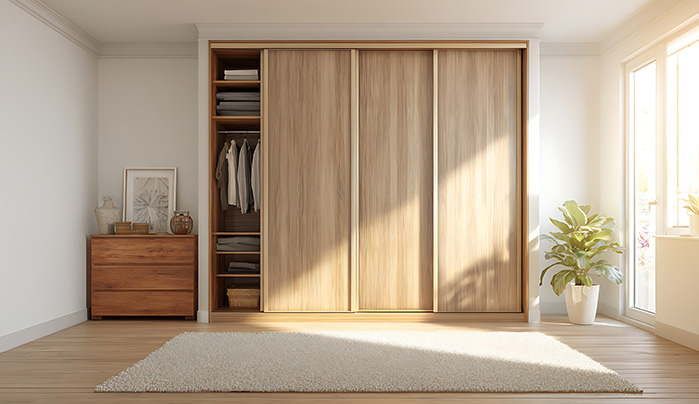
Wardrobes don’t see water, but they carry weight every day. Clothes, drawers, and accessories sit there for years. If the plywood is weak, shelves start sagging and doors go out of alignment. That’s where best-quality plywood helps for wardrobes. Hinges stay tight, and sliding shutters work smoothly for longer.
Why better plywood works for wardrobes:
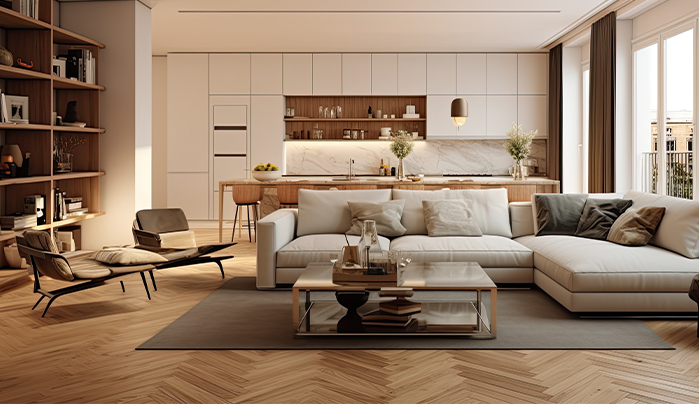
Living room furniture needs to look clean first. TV units, shelves, and cabinets are always visible. Any bending or surface unevenness shows quickly. Premium plywood helps here because the finish stays neat and flat. Laminates and veneers sit better on it. Our plywood suits living areas because it gives a balance of strength and surface quality without looking heavy.
What matters in living areas:
When choosing plywood, keep in mind the following simple questions:
Then match plywood type to usage, check certification marks and always prioritise buying from trusted brands.
There are certain mistakes that should be avoided while buying plywood. These mistakes shorten lifespan:
Plywood needs minimal care.
Good plywood lasts decades.
| Material | Strength | Water Resistance | Cost |
|---|---|---|---|
| Plywood | High | Good | Medium |
| MDF | Medium | Low | Low |
| Particle Board | Low | Very Low | Cheapest |
Quality plywood follows standards like IS specifications. Certified plywood ensures:
Brands like CenturyPly invest heavily in testing and certification.
There are certain myths surrounding plywood. Most of these are untrue when quality plywood is used correctly. Let take a look at the most common ones:
In a market full of choices, plywood from CenturyPly stands firm on quality, not claims. The plywood is designed with longevity at its core. Its resistance to termites, borers, and moisture protects furniture from internal damage that often goes unnoticed until it is too late. Strong bonding and uniform construction ensure lasting strength and stability. This means fewer repairs, better durability, and greater value over time. With CenturyPly, your interiors stay strong, stable and dependable, giving you peace of mind and fewer worries in the years ahead.
There is no single best type of plywood. The right plywood depends on where it is used. Structural plywood suits construction, hardwood plywood works well for furniture, BWR plywood is ideal for kitchens and interiors, while BWP or marine plywood is best for areas exposed to heavy moisture
BWP plywood is better for areas with constant or heavy water exposure because it is fully waterproof. BWR plywood offers strong moisture resistance but is designed for interior spaces like kitchens and wardrobes where direct water contact is limited.
Termite-proof plywood is plywood treated with special chemicals that protect it from termite and borer attacks. This treatment helps extend the life of the plywood, especially in humid or pest-prone environments, without affecting its strength or finish.
Plywood is a widely used engineered wood material commonly chosen for furniture, cabinets, doors, wall panels, flooring bases, and construction work. Its strength, dimensional stability, and workability make it suitable for both interior and exterior use in homes, offices, and industrial spaces.
CenturyPly’s firewall plywood has tiny particles added to the material during manufacturing that help fight fire. These particles stop flames from spreading and even help put out the fire when the source is removed.
CenturyPly offers a 5 years to 30 years warranty on different plywood products. It means your plywood is protected for a very long period, and you don’t have to stress about replacing it again and again. Architect Plywood comes with a lifetime warranty from CenturyPly.
The CenturyPromise app helps you check if your plywood is original. All you have to do is scan the code on the board using the app, and it will tell you if it’s a genuine CenturyPly product.
Loading categories...


