
Consumer
You may see laminates everywhere! In showrooms, on Pinterest boards and in interior design videos. Yet the material itself still feels a bit unclear to many people.
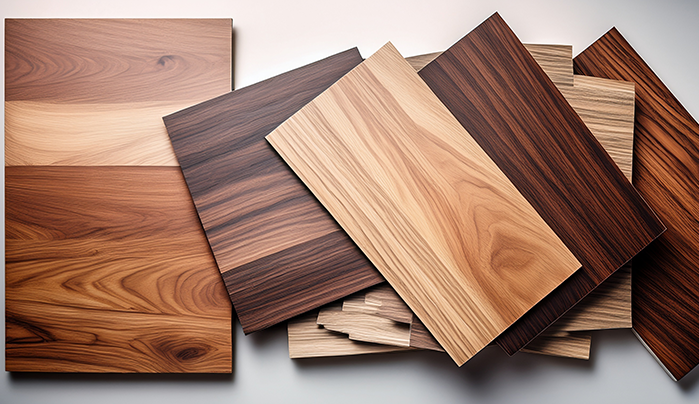
If you are looking for one place that explains laminates properly, this guide does exactly that. Think of this blog as a small encyclopedia for laminates in Indian homes. We will walk you through how laminates are made, the different types, where they work best, and how CenturyLaminates suit real homes, not just picture-perfect homes. Read till the end!
Laminates are decorative surface sheets created by compressing multiple layers of paper and resin under high heat and pressure. It is commonly applied over plywood, MDF, or particle board to give furniture and interior surfaces a stylish finish while improving their durability and resistance to everyday wear.
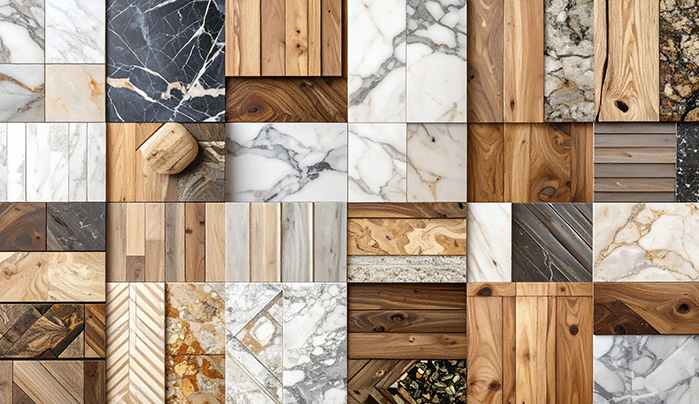
Laminates are not solid wood. They are not stone either. They are surface sheets that give furniture and panels their look and finish. You stick them on plywood, flush doors, MDF, WPC boards, and other base materials. That is how cabinets, wardrobes, wall panels, and doors get their colour and texture.
Laminates are engineered surfaces. They are built layer by layer. Each layer has a role to play. The process looks complex on paper. But in reality, it is quite logical.
What this gives you:
Century Laminates are designed to work well with CenturyPly plywood and flush doors. This pairing helps the laminate sit flat and stay firm over time.
Not all laminates are made for the same job. Some are built for heavy use. Others are meant for light decorative work. There are different types of laminates available for different requirements.
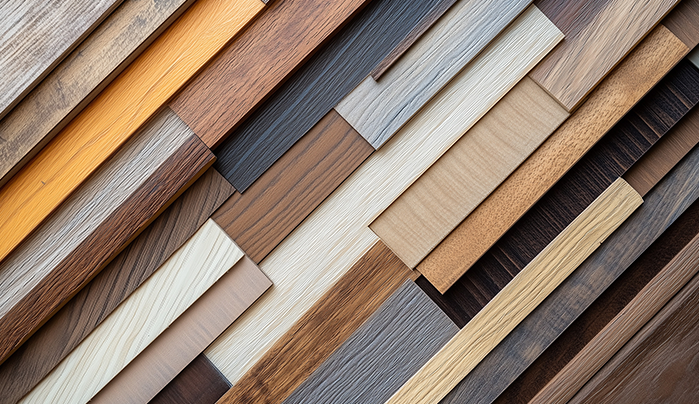
A. High-Pressure Laminates
These laminates are pressed under very high heat and pressure. They are:
B. Low-Pressure Laminates
These are pressed at lower pressure and fused directly onto boards. They are:
Laminates are chosen based on where they will be used.
A. Laminates for Furniture - These laminates make tables, chairs, and cabinets look attractive. They also protect the surface from scratches and stains.
B. Wall laminates for feature walls - Used to create stylish accent walls. They are easy to clean and enhance the room’s look.
C. Door laminates - Perfect for doors to give a smooth, polished finish. They prevent warping and add strength.
D. Storage laminates for kitchen units and study tables - Ideal for cabinets and drawers. They resist moisture and everyday wear.
When laminates are fixed on stable plywood from CenturyPly, they stay neat and do not ripple or peel easily.
Some laminates focus on how they behave in daily use.
A. Scratch-resistant laminates for tables: These laminates protect tabletops from scratches, cuts, and daily wear. They keep furniture looking new even after long use. Perfect for study tables, dining tables, and work desks. They maintain a smooth, polished finish that lasts.
B. Moisture-Resistant Laminates for Kitchens: Designed to resist water, steam, and spills in kitchens. They prevent swelling or warping of cabinets and counters. These laminates make cleaning easier and protect the surface for years. Ideal for areas exposed to frequent moisture.
C. Heat-Resistant Laminates Near Cooking Areas: Can handle hot utensils, pans, and steam without damage. They protect countertops and surrounding surfaces from heat marks or burns. These laminates are durable and safe for cooking zones. They keep the kitchen looking fresh and intact.
D. Easy-Clean Laminates for High-Touch Surfaces: Wipes off stains, dust, and spills quickly without much effort. Perfect for home or office surfaces that are used often. They reduce maintenance time and keep surfaces hygienic. They also retain their shine and smooth feel over time.
Finishing changes how a room feels. It affects light, mood, and upkeep.
A. Matte Laminates
B. Glossy Laminates
Century Laminates offer glossy finishes that work well for cabinet shutters and TV units. These finishes give a clean, polished look without using glass.
C. Textured Laminates
Thickness affects how strong a laminate feels.
| Thickness | Common Use |
|---|---|
| 0.6 mm | Wall panels, wardrobes |
| 0.8 mm | Cabinets, furniture shutters |
| 1 mm and above | Kitchens, worktops |
Thicker laminates:
Laminates are available in standard sheet sizes. This helps carpenters plan wardrobes, doors, and modular furniture with less waste.
Homeowners often compare laminates with other finishes. Here is a simple view.
| Material | Look | Maintenance | Cost |
|---|---|---|---|
| Laminates | Wide variety | Easy | Medium |
| Veneers | Natural wood | Medium | Higher |
| Paint | Plain colours | High | Low |
| Acrylic | High gloss | Medium | High |
| Solid wood | Natural grain | High | Very high |
Some homeowners mix laminates with veneers. Veneers bring warmth. Laminates bring ease.
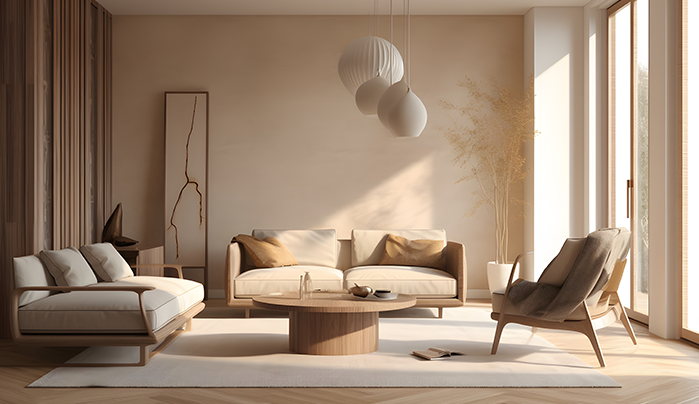
Laminates fit into every room. Some of their common uses are:
Why laminates suit Indian homes:
When used on CenturyPly boards, laminates stay stable and do not warp with seasonal changes.
Choosing laminates is about matching use with surface type.
Ask yourself:
Helpful tips:
Good laminates perform best when fixed on strong plywood or WPC boards.
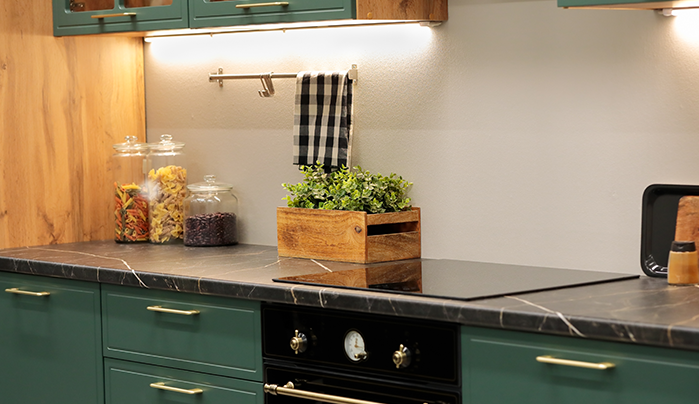
Not all laminates are equal in quality. Look for:
At CenturyPly, we design our laminates and boards to work as a system. This reduces long-term problems like peeling or uneven edges.
Laminates are easy to live with. A little care goes a long way.
Daily care tips:
What helps laminates last longer:
With normal care, laminates can look fresh for many years.
There are some common myths about the use of laminates. Many ideas about laminates are outdated. Let us have a look at the most common myths along with their truths:
Myth 1: Laminates look cheap
Truth: Modern laminates look rich and detailed.
Myth 2: Laminates peel easily
Truth: Poor baseboards cause peeling. Good plywood prevents this.
Myth 3: Laminates are only for kitchens
Truth: They work well in bedrooms, living rooms, and doors, too
Modern homes need materials that handle daily life without fuss. Reasons laminates fit well into modern interiors:
Century Laminates and CenturyPly boards together help homeowners build spaces that stay neat even with busy routines.
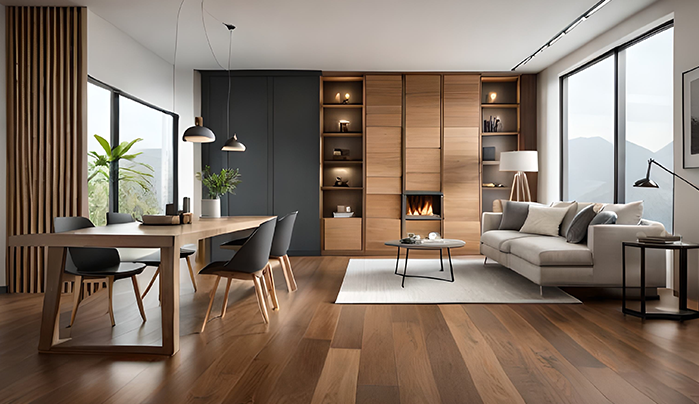
Laminates have become a practical choice for Indian homes. They balance looks and daily performance well. From kitchens to wardrobes, from flush doors to TV units, laminates offer a clean finish without demanding constant care. When paired with strong boards like plywood or WPC boards, laminates last longer and sit better on furniture.
If you want interiors that stay tidy even after daily cooking, storage use, and regular cleaning, laminates make sense. They give you freedom to design without worrying about frequent repairs or fading finishes.
Laminates are surface sheets fixed on plywood and boards. They protect furniture and give it colour and texture. They are used because they are easy to clean and long-lasting.
Yes. High-pressure laminates are suitable for kitchens. They handle moisture, heat, and daily use well when fixed on good plywood.
Yes. Laminates work well on flush doors, decorative doors, and WPC boards. They give doors a neat, uniform look.
No. Laminates do not need polishing. Regular wiping with a soft cloth is enough.
Century Laminates are designed to pair with CenturyPly boards. This improves bonding, finish quality, and long-term performance
Loading categories...


