
Consumer
Walk into any modern Indian house constructed in the past two decades, and you'll find Sunmica somewhere: a wardrobe door, a kitchen shutter, perhaps the panel behind a TV unit. It's a very common material: a decorative laminate created by applying a resin to kraft paper and pressing the layers together under heat until it sets.
The problem that most first-time buyers have is price. Ask three dealers for a quote, and you will most likely get three different numbers. This is because the Sunmica sheet price depends on the finish, thickness, size, and some other factors that one must know before ordering a sheet. In this article, we'll discuss and explain all these, so you know which one to pick.
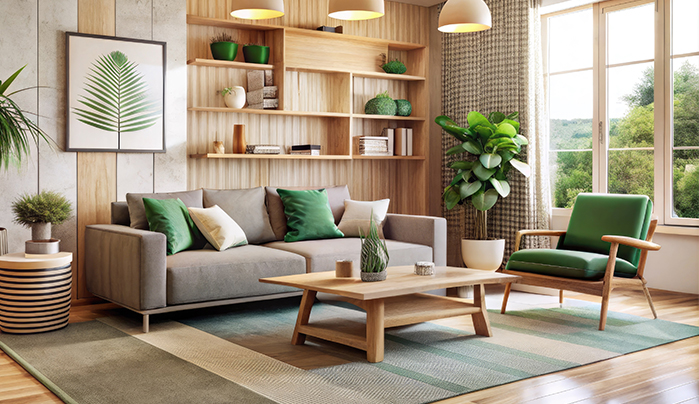
Sunmica is a decorative laminate sheet made by stacking layers of kraft paper, soaked in resin, and pressed on top of each other until they are fused into one solid, wipeable surface. It is fixed to a plywood or MDF board to be used on wardrobes, kitchen shutters, doors, wall panels, etc.
It comes in several distinct finishes, such as matte, glossy, suede, acrylic, wooden, and 3D being the main ones, and each finish has its own look, feel, and manufacturing process. That's the real starting point for price: a plain matte sheet and a high-shine 3D sheet aren't made the same way, so they cost very differently. Other deciding factors on price include:
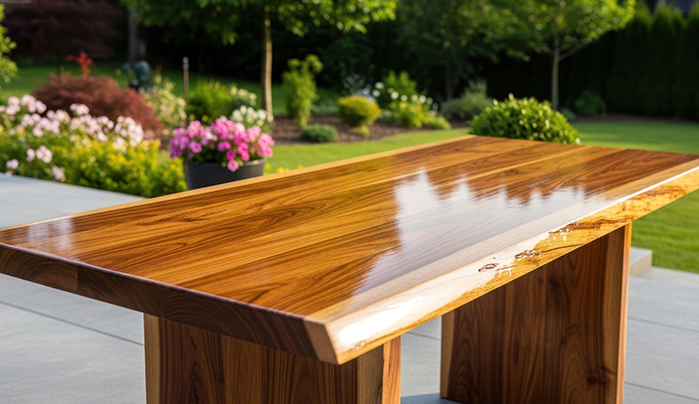
A plain solid colour is simple and cheap to print. A detailed woodgrain or abstract pattern requires advanced printing, and that shows up in the final price.
The standard 8×4 sheet is produced and stocked in bulk, so its pricing stays fairly steady. Step outside that into a custom or oversized cut, and the price climbs, since it's neither a stock item nor made in the same volume.
A 0.8mm sheet and a 1mm sheet can look identical side by side. The thicker one uses more raw material and holds up longer under daily wear, which is exactly why it costs more.
A single sheet for a repair job costs more per unit than a bulk order for a full renovation. Buying in volume almost always lowers the per-sheet rate.
Popular brands are typically more expensive per sheet. This premium generally comes with colour consistency, warranty and peace of mind.
Numbers vary by city and brand, but here is a general sense of where different laminate grades typically land.
| Sunmica Type | Approximate Price (per sq ft) |
|---|---|
| Basic decorative laminate | ₹40-₹70 |
| Premium decorative laminate | ₹80-₹150 |
| High-gloss laminate | ₹120-₹250 |
| Textured or special-finish laminate | ₹150-₹300 |
| Exterior-grade or compact laminate | ₹350 and above |
Treat this as a starting point rather than a fixed price list. Location, order volume, and the specific brand you pick can all move these numbers, so it's worth getting a quote for your exact size and finish before finalising a budget.
Some finishes are more expensive than others, and there can be a considerable cost difference.
The price logic here comes down to just one thing: how many joints you end up with.
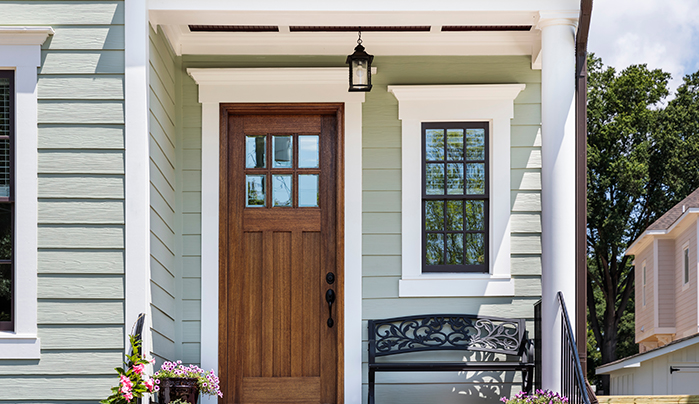
The 8×4 feet sheet is the standard across the country, used for wardrobes, kitchen shutters, doors, and wall panelling. There's a reason it stays the default: it minimises visible joints on larger surfaces, which matters more for the finished look than most people expect.
For a wide shutter or a large wardrobe panel, it's better to invest a little extra and get one that avoids an extra seam. It's a small increase in the Sunmica sheet price for a noticeably cleaner finish.
Where the sheet goes decides how much wear resistance matters, not just what looks good on the showroom sample. Let’s categorise them by two zones, high and low-wear.
Kitchens usually see the most rough use, so the laminate has to hold up. It must resist heat, moisture, oil splashes, and regular cleaning. Maintain the standard grade on the cabinet interiors and install a higher grade on the shutters, as they face daily wear.
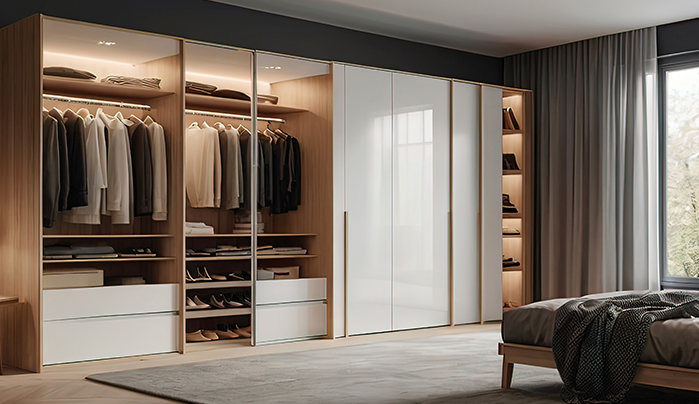
Wardrobes and wall panels rarely deal with heat or extreme moisture, so a matte, suede, or wooden finish fits well. A lot of buyers still pay for glossy or acrylic sheets, purely because it looks good in the showroom, missing the point that the added durability isn’t always needed for a surface that’s just opened and closed. You can put the money saved toward thicker sheets for high-use doors instead.
Wall panels follow a similar pattern since they see no wear, so the whole budget question comes down to finish, from an economical matte to a high-end textured or metallic one.
There's no single number that answers "what does Sunmica cost." Sunmica sheet prices fluctuate depending on the finish, thickness, size, design, and intended use. The most basic matte laminates are the least expensive, while glossy, acrylic, textured, and 3D finishes will all increase steadily.
The question isn't which sheet is the cheapest, but which sheet will fit the space it's being installed in. This is where the true savings are, not on the price tag itself.
Acrylic Sunmica has a mirror-like finish with a deeper colour range and greater resistance to scratching, which makes it more difficult to manufacture and more expensive than a standard laminate sheet.
Yes. Thicker sheets consume more raw material, are more durable and have a higher impact resistance, often at a higher cost than thinner, lighter-use sheets.
Normally, it is more expensive up front than smaller sheets, but is often more economical overall when installation and wastage are taken into account, due to the fewer joints required in larger furniture.
Not necessarily. The higher the price, the better the finish or design complexity, rather than suitability for use. Don't simply go for the cheapest option; instead, match the sheet to the application, such as moisture resistance for kitchens.
Loading categories...


