
Consumer
whatsapp
Dial Customer Care1800-5722-122

Water Resistant Laminates: Features, Uses & How to Choose the Right One

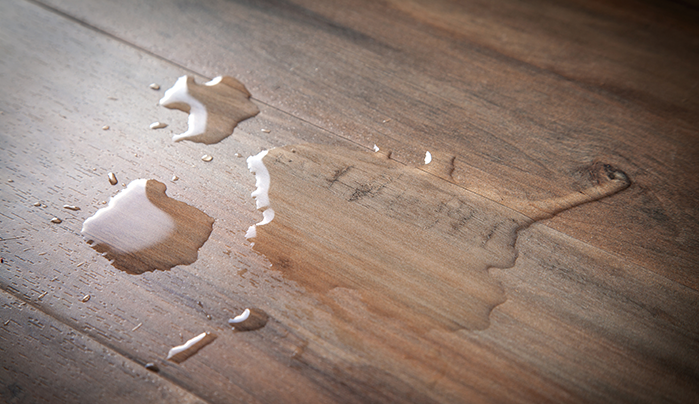
Ordinary surfaces in kitchens and bathrooms are ruined more quickly than anywhere else in the house. Steam, splashes, humidity, and the odd spill that wasn't removed in time- all add up, and a laminate that's not designed for this will begin peeling or swelling in just a couple of years. Water-resistant laminates are designed to address exactly that problem without forcing you to give up on how the space looks.

So if you're looking to renovate a wet space or simply want to buy a laminate that will last longer than usual, water-resistant laminates are the way to go. Today we'll explain what these actually deliver, where they fit in your house, and how to select one that you won't end up regretting.


What Are Water Resistant Laminates?


A standard laminate is layers of kraft paper bonded with resin under heat and pressure; nothing unusual there. Water resistant laminates go through more or less the same process, but the resin and core treatments are designed specifically to keep moisture out rather than just to look presentable once it's up.

That's the whole difference. The core remains moisture-proof even after extended exposure to water, so it will not absorb water, swell at the edges, or fall apart along the seams as a standard laminate would over time.

Most laminates in this category also carry a BWR rating, short for Boiling Water Resistant, indicating that they have been tested for continuous exposure to extreme heat and steam from hot water rather than just a splash.

best laminates in India - CenturyPly

Key Features of Water Resistant Laminates


Plenty of laminates get marketed as "moisture friendly" but don’t actually hold up once they're installed. A few things separate the ones that do from the ones that don't.

  1. A correctly sealed, boiling water resistant core. This is truly the most important feature. For example, CenturyLaminates' range features BWR-grade cores, which means the panels will not warp or delaminate in kitchens or bathrooms, where they may be exposed to steam and splashes every day, not just dampness.
  2. Resistance to borer and termite damage. In humid areas where this type of damage is prevalent and often goes unnoticed until high costs are incurred, additives in the laminate help keep pests away from the adhesive layer.
  3. Non-permanent stains and scratches. Turmeric, oil, and sauce are par for the course in any kitchen, and so is the regular scrubbing that follows. A good water resistant laminate shrugs off most of that rather than holding onto every mark.
  4. Colour that actually stays put. Cheaper laminates fade or yellow within a year, particularly near a window or under strong lighting. Better laminates use an overlay layer built to hold colour, and it's one of those details that only becomes obvious a few years in.
  5. Genuinely low maintenance. A damp cloth and mild soap are about all these need. No sealants, no special products, nothing to remember every few months.

Modular kitchen laminate - CenturyPly

Where Should You Use Water Resistant Laminates?


These aren't confined to one part of the house. You should typically use them on:


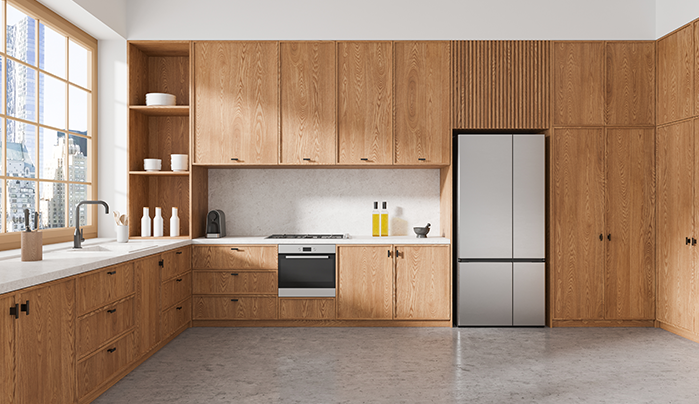
  • Kitchen countertops, cabinets and backsplashes where steam and spills occur every day
  • Bathroom vanities, wall panels and storage units that are constantly exposed to humidity
  • Utility and laundry areas, where detergent and water exposure are routine
  • Wardrobes and furniture in homes located in coastal or otherwise humid regions

Anywhere moisture shows up regularly rather than occasionally, a water resistant laminate will outlast a standard one, sometimes by years.


How to Choose the Right Water Resistant Laminate?


Choosing the right water resistant laminate comes down to a handful of practical checks.


  1. Start with the BWR rating. Not everything labelled "water resistant" has actually been tested to a boiling water standard, so look for the specification sheet before you commit to anything.
  2. Think about the finish next. The water spots and fingerprints are more noticeable on a glossy surface than on matte or textured surfaces and can certainly make a difference in a kitchen that is used daily.
  3. Thickness is also something that should be taken into account, as a thicker laminate is more resistant to moisture and impact, although this depends on where it is installed: on a countertop, vertical surface, or even a cabinet shutter.
  4. The application matters as much as the material. A laminate meant for a backsplash needs different heat tolerance than one going onto a bathroom cabinet door, so check what the manufacturer actually recommends it for rather than assuming.
  5. And don't skip past the brand's track record. A laminate that looks fine on day one but wasn't manufactured with much consistency will show it in year three, not year one, which is exactly when it's hardest to notice until it's already a problem.

Conclusion


A wet area only holds up long-term if the surface underneath can actually withstand what that environment throws at it. Water resistant laminates deal with the swelling, staining and fading that ordinary laminates struggle with in kitchens and bathrooms, and there's enough range in finishes now that looks don't have to be the trade-off.

Check out our SainikLaminates range if you're shortlisting, especially for kitchens and other splash-heavy spots, since they are built from the start to handle daily water contact rather than treating it as an afterthought while also carrying the BWR rating.


FAQs


1. What actually makes a laminate "water resistant"?

It comes down to the core and resin treatment. Unlike a standard laminate that will absorb moisture, swell, and warp after being wet for a short time, a BWR-grade core resists these effects and is moisture resistant.


2. Can they be used outside the kitchen and bathroom?

Yes. They are suitable for a variety of uses, such as utility spaces, wardrobes, or coastal and damp environments where moisture is a frequent rather than occasional problem.


3. Do they cost more than regular laminates?

A little, usually. The extra durability and moisture protection tend to make up the difference over the years the laminate is actually in use.

Request More Information
whatsapp