
Consumer
Ever been fascinated by the fin-like designs on the windows and walls in modern homes? You’ve encountered one of the most unique architectural features of our times. An integral element in urban homes, the louvers design features a set of blades (or fin-like panels) that help improve air flow in your space, protect it from rain and debris, and enhance the visual appeal of your home.
In this article, we’ll elaborate louvers design ideas that you can incorporate into your home or office to breathe more life into spaces. What’s more? We’ll shed light on the best materials you could use to get the most out of your louvre system in the long run.
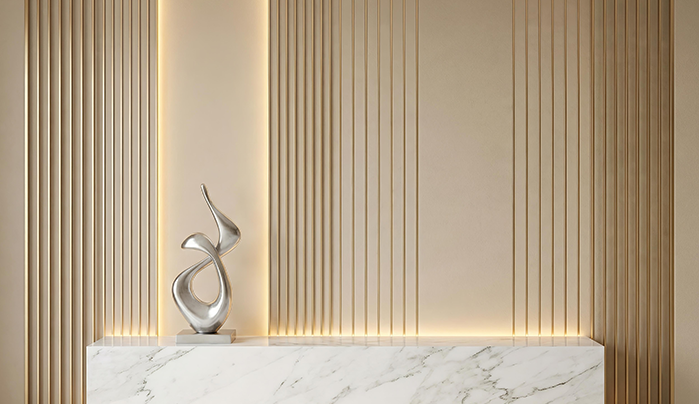
A crucial engineering and architectural element, the word louvre means “to open” in French. The louvers design comprises angled slats that are fitted into walls, windows, doors, and ventilation systems to balance aesthetics with functionality.
Louvers as home interiors serve multiple functions:
Designed with angled slats, louvre panels can help regulate air flow within homes. They prevent dirt, dust, rain, debris, and other impurities from entering the interior environment of your home.
The louvers design in windows helps diffuse excess natural light to keep your interior spaces adequately lit. The furniture and appliances within your home remain protected from excessive sunlight exposure or glare.
Louvres act as a barrier, preventing outsiders from peeking into your home’s interior space. They can also be used as partitions to divide a large space into two separate ones without compromising privacy.
Louvres are as practical as they are beautiful to an onlooker. Architects and interior designers frequently resort to these design elements to elevate the look and feel of a space. Louvers design ideas, such as horizontal, vertical, and custom-shaped sets of blades, add style and depth to residential and commercial spaces.
Decorative louvers design ideas add character to your interior spaces. Here are some of the most popular planks opted for by interior designers and architects when beautifying walls, partitions, and exteriors:
Architectural features designed by organising horizontal slats, the wooden louvres, lend a cosy look and feel to your space. They act as efficient sunshades and make your home feel timeless. Think cottagecore aesthetics or an antique store. That’s the kind of rustic enchantment that wooden louvres usher in.
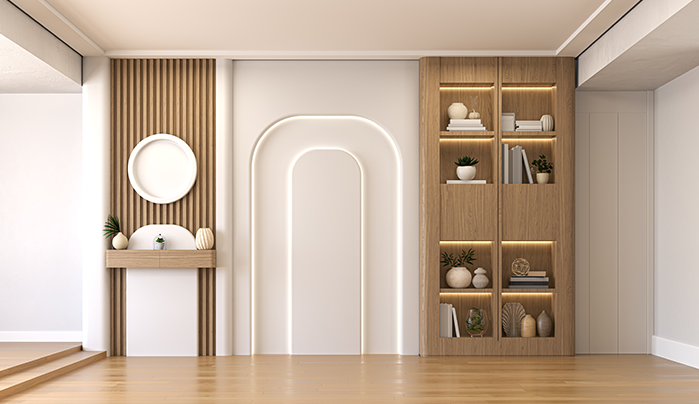
Used mainly in living rooms and bedrooms, the textured louvers design features vertical or horizontal slats that make it seem as if your home received a contemporary makeover. CenturyLouvers, for instance, come in wood grain finishes and fabric-inspired textures that add refinement to your interior decor.
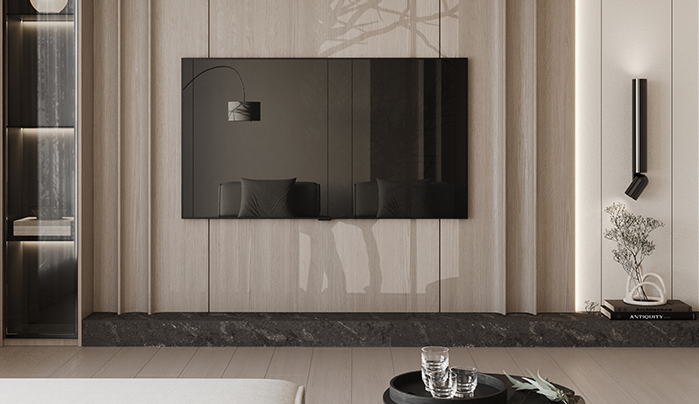
Applied when designing TV units and feature walls, marble and stone louvres are all about adding a premium look and feel to your modern home. Generally, they are manufactured from Wood Plastic Composite (WPC) and feature glossy or matte finishes for a bold, luxurious appearance.
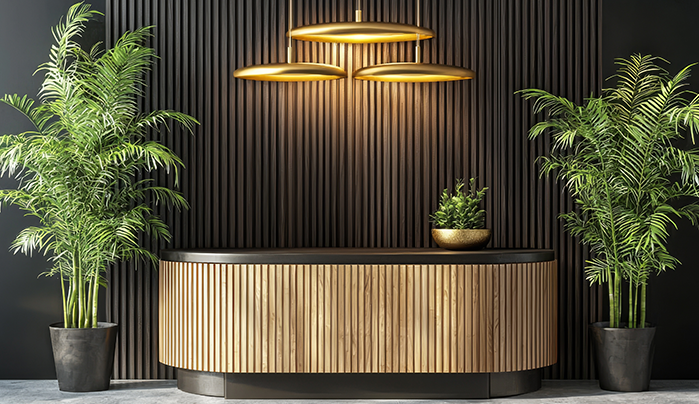
Linear louvers are as good a fit for commercial spaces as they are for residential buildings. These modern slats feature structured designs and clean lines that are ideal for minimalistic homes. Linear louvres may be constructed from a range of materials such as WPC, aluminium, or sheet metal.
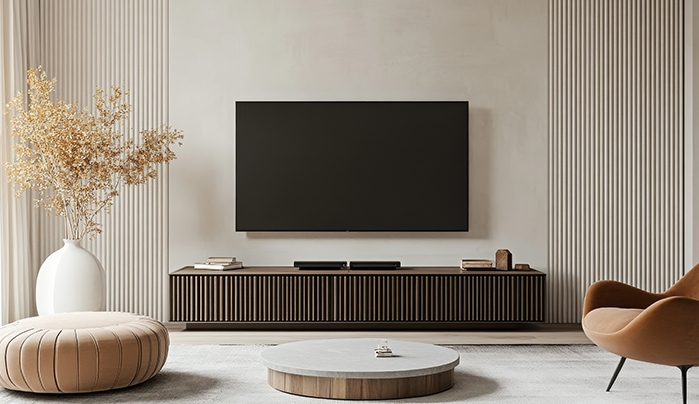
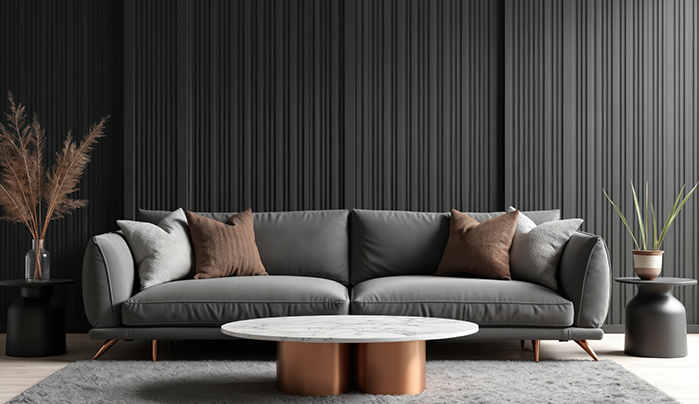
Famed for their durability and ability to withstand wear and tear, charcoal louvres turn ordinary spaces into sophisticated ones. The rich charcoal finish adds to the visual appeal. Used in wall panelling, TV units and wall partitions, these louvre designs are lightweight and can be easily transported or installed.
When designing your home or office space for the first time, choose from the following louvers design ideas and strike the perfect balance between function and beauty.
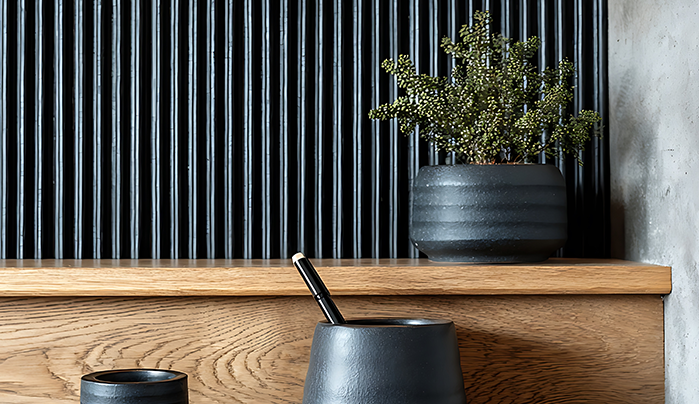
Black louvers carry a classic edge that few others can rival. Manufactured from WPC or Polyvinyl Chloride, pure black louvres act as decorative wall panels that infuse luxury into your living rooms and commercial spaces. They require very little maintenance and can resist high wear and tear, making them smart integrations for your home.
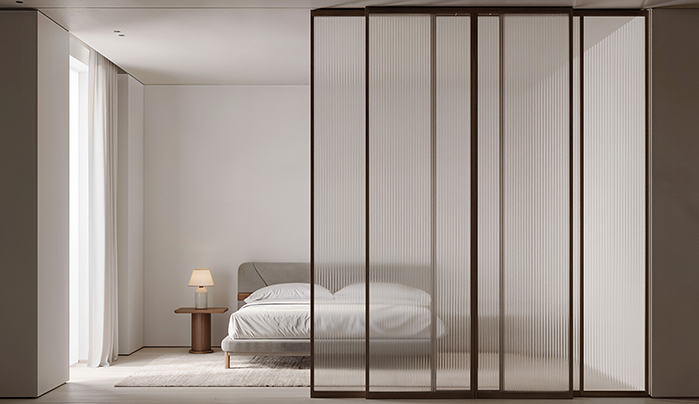
Louver panels used as room dividers are versatile and lightweight interior design elements. They help make the most out of small living spaces without needing homeowners to compromise on the visual dimension. Louvre partitions are manufactured from a variety of materials, textures, and finishes. Get yours custom-made so it fits your space comfortably.
Used in exterior facades as well as interior accent walls, wood-grain vertical louvres blend the properties of durable materials with textured finishes. The wood finish on these decorative panels makes them charming and warm design elements for urban homes. Use CenturyLouvers to ensure that your TV units and feature walls resist warping in the long run and do not get damaged by borers and termites.
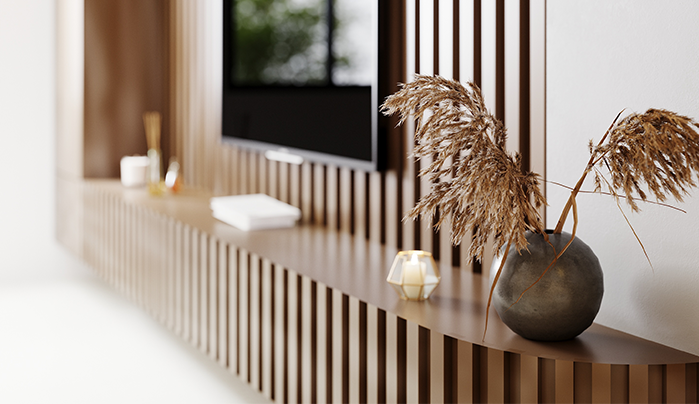
Versatile and flexible, folding louvers design panels are a common architectural element used in creating stunning external facades, balconies, and interiors. The slats or blades in these panels fold, stack, and slide to make movement easier and more dynamic. Their accordion-style appearance is a rewarding feature, too.
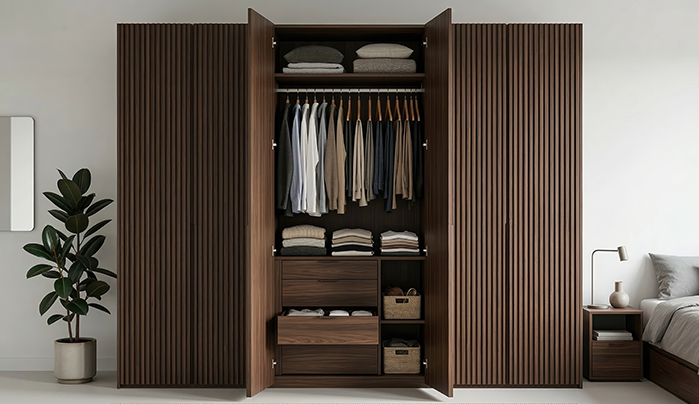
Dual-function louvres are a type of combination design that provides enhanced functionality. You’ll notice them in office lawns or luxurious residential backyards. Made by combining fixed as well as adjustable blades, they ensure adequate ventilation of your interior space while blocking debris and rain.
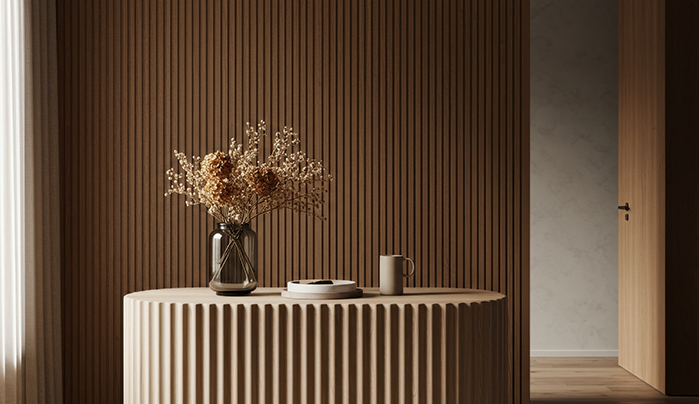
Detailed and exquisite, carved artistic louvres blend quality ventilation with artistry. These decorative panels are crafted with custom shapes, motifs, and cultural designs to catch your attention. Unlike common panels made from horizontal or vertical slats, they create a unique light and shadow effect during the daylight hours, breathing spirit into interior spaces.
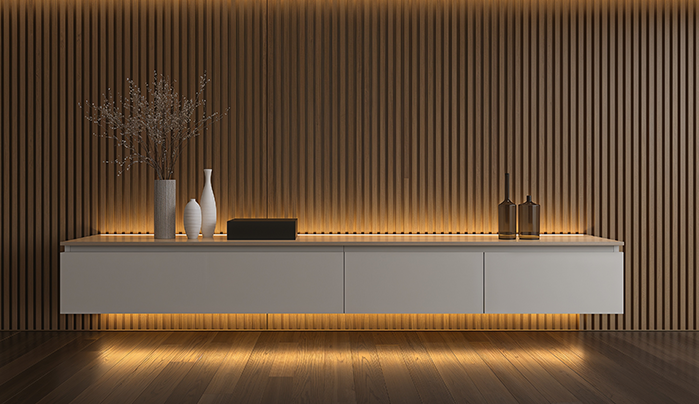
If you don’t turn away from a little experimentation, coloured louvres could be the perfect louvers design idea right up your alley. Coloured, slatted panels are fitted into interior spaces or as exterior facades to create a specific pattern. As exterior design elements, the colour gradient transitions under daylight, offering a stunning show. In interior spaces, the existing colour rhythm brings liveliness.
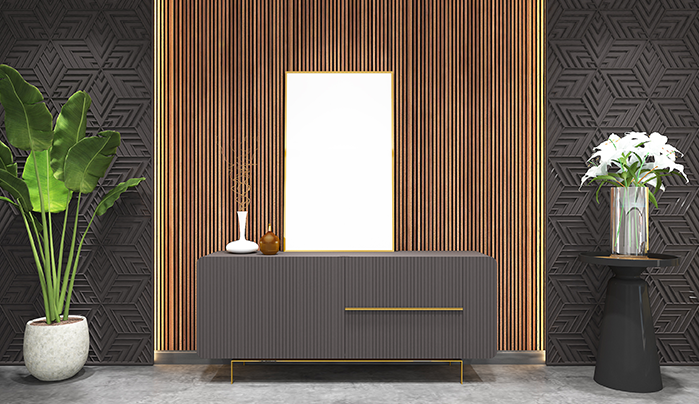
Ceramic vertical louvers are easier to spot in the commercial centres of your city. They are a popular and highly functional design element incorporated to provide sunshading in office balconies and parking spaces. Stylish and elegant, they are heat-resistant and also protect against bad weather. Go for natural textures and an earthy colour palette when planning for big spaces.
Another louvers design idea fit for professional and commercial spaces, terracotta louvre panels are manufactured by mixing water with clay, and exposing the mixture to high pressure and heat. A sustainable yet charming design idea, these panels are highly durable and protect the interior from excessive heat.
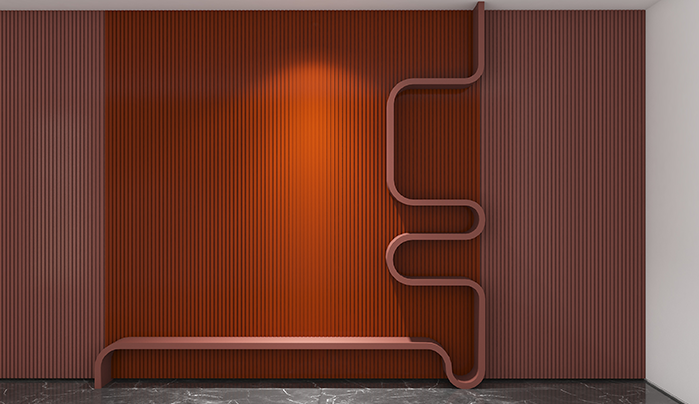
A type of wood louvre used to elevate industrial spaces, concrete and wood combination panels stand out through their design contrast. Concrete slabs or frames are paired with wooden slats to enhance structural stability and visual appeal. Century WPE Exterior Louvers retain their structural integrity through a changing climate and are moisture-resistant to offer unique durability. Opt for neutral and muted tones when selecting slats.
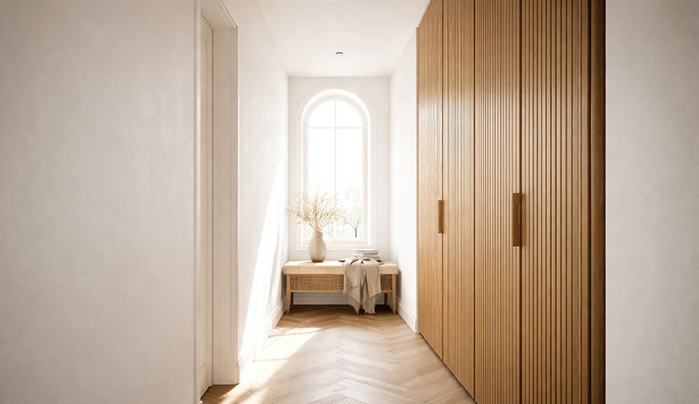
For a clean look and better light diffusion, you could go for floor-to-ceiling louvre panels. As the name suggests, these feature horizontal, vertical, or slatted panels that run from the floor to the ceiling. Wall partitions, balconies and accent walls are some of the common places they find integration.
Crafted to create an organised and understated appearance, minimalist horizontal louvre panels feature parallel slats incorporated into the interior environment to enhance ventilation. Made from borer-proof and termite-proof WPC, these panels can lower your cooling costs by regulating heat absorption. You can also use them for storage units and TV panels.
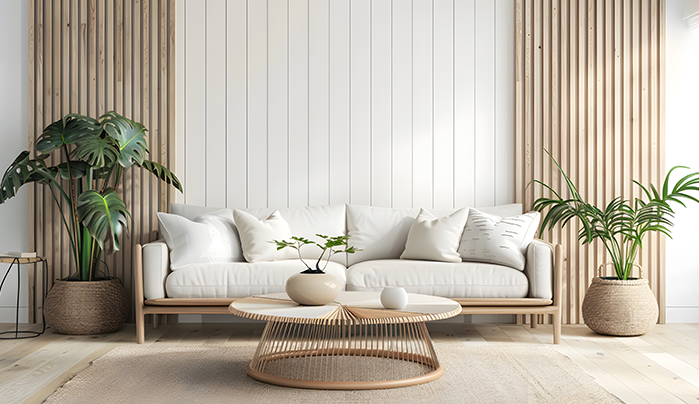
Integrated lighting is no longer something exclusive to smart homes or glass buildings. The trend has trickled down to every modern home. Louvre wall panels with fitted lighting simply combine another interesting architectural element to elevate the style of your space. They add depth and character to your living environment, without overdoing it.
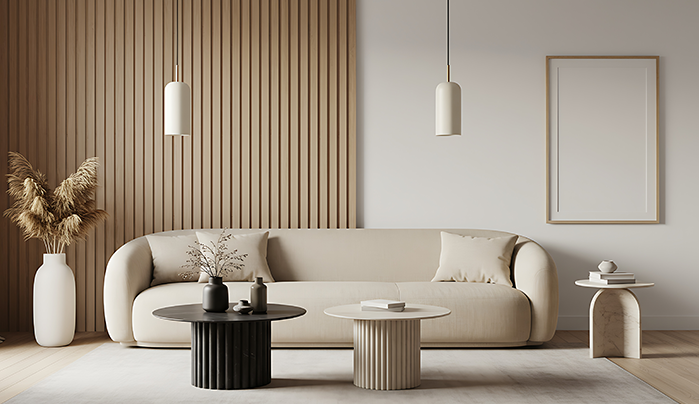
A few flower pots and planters can make all the difference your interior and exterior spaces need. An attractive louvers design idea among architects and interior designers, green louvre exteriors with integrated plants, usher in the feeling of being in a spiritual forest retreat. You enjoy coming home or working in these spaces far more than concrete buildings due to their soothing effect.
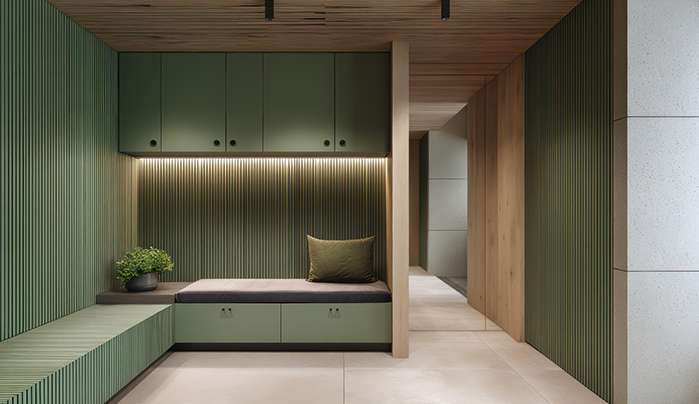
Lastly, recycled vertical louvre panels are for those who want their personal spaces to embody their values. Made from recycled items such as wood fibre and plastics, recycled vertical panels give way to sustainable architecture. Century WPC Interior Louvers encourage the circular economy and can withstand high impact. Here’s a type of louvers design that also offers reliable protection against moisture, termites, and temperature fluctuations.
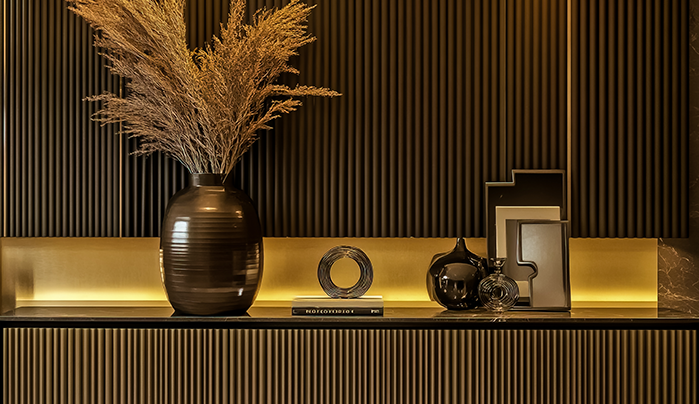
There’s always a new home interior aesthetic popping up on your Pinterest. Every new wall partition looks more attractive than the last one, except that by the time you’ve completed your research, you have more questions and fewer answers. Use this guide to self-assess your louvers design requirements. Once you’ve narrowed down your choice, opt for a brand that provides long-term warranties and is reputed for its after-sales service. You won’t renovate your space every other day; it only makes sense to choose decorative planks that offer the best of all worlds!
Louvres have wide commercial and residential design applications. They are used to ensure proper ventilation in apartments, applied as sunshading in building exteriors, and may also be integrated as flood openings for emergencies.
When planning to integrate louvres design ideas into your space, pay special attention to the depth you require. For example, horizontal louvre panels may not provide the same weather protection from rain as vertical ones. To ensure the horizontal panels are effective, they need to be built with added depth.
Louvre panels may come with different price tags based on the material, size, and application. Usually, the price per square foot lies between ₹200 and ₹500. Century WPC Louvers offer quality and affordability as a package deal to help you plan your dream space.
CenturyLouvers stand a class apart. These are high-density products that do not warp or bend under high impact. Their robust build and strong film adhesion ensure that your louvre panels retain their structural integrity and superior finish for the longest time.
Loading categories...


