
Consumer
A bed isn’t just another piece of furniture in the house. It’s where your day begins and ends. While most people spend hours comparing mattresses, the structure beneath often gets overlooked. And yet, the plywood used for a bed plays a huge role in how comfortable, sturdy, and long-lasting that bed will actually be.
From everyday movement to long hours of load-bearing, a bed goes through more stress than almost any other furniture item. Choosing the right plywood ensures the bed stays silent, stable, and supportive for years, without sagging, creaking, or weakening over time.
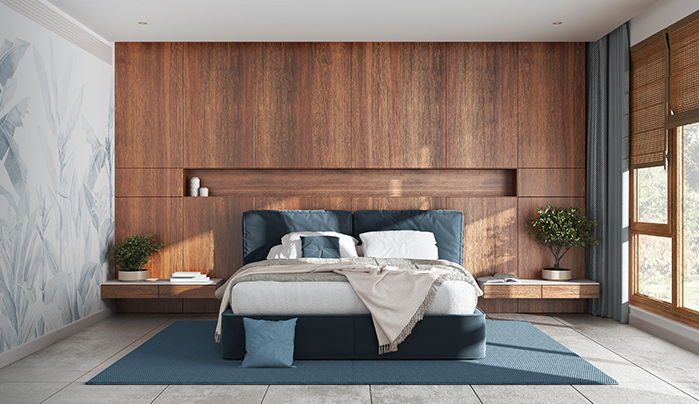
This guide breaks down what really matters when selecting plywood for a bed, without technical overload, so you can make a confident, practical decision.
Unlike cabinets or shelves, a bed handles continuous weight and motion every single day. The quality of plywood directly affects how well the bed performs over time.
Good plywood distributes weight evenly across the frame, holds screws firmly, resists bending, and maintains its shape despite daily use. Poor-quality material, on the other hand, can lead to uneven surfaces, noisy joints, or even structural failure within a few years.
This is why premium plywood brands like CenturyPly focus on internal strength, bonding quality, and durability, not just surface finish. When the core is strong, the bed stays reliable no matter how long it’s used.

Not all plywood is designed to handle the same conditions. Understanding the basic grades helps in choosing the right fit for your home.
MR plywood works well in dry, well-ventilated bedrooms. It offers basic resistance to humidity but isn’t meant for damp conditions. It can be used for simple bed frames in controlled indoor environments.
BWR plywood is a popular choice in Indian homes. It handles humidity and seasonal changes far better than MR grade, making it suitable for most bedrooms, including storage beds.
BWP plywood offers the highest level of moisture resistance and durability. It’s ideal for coastal areas, high-humidity regions, or homes where long-term performance is a priority. For beds that need to last for decades, this grade provides extra assurance.
The difference between an average bed and a long-lasting one often lies inside the plywood layers. High-quality plywood is made using carefully selected veneers bonded with strong, durable adhesives. This ensures consistent strength across the entire sheet.
Lower-grade plywood may look fine initially but often develops issues like sagging bases, loose joints, surface warping, or reduced load capacity over time. Investing in trusted plywood, especially from established manufacturers, helps avoid these problems and reduces the need for repairs or replacements later.
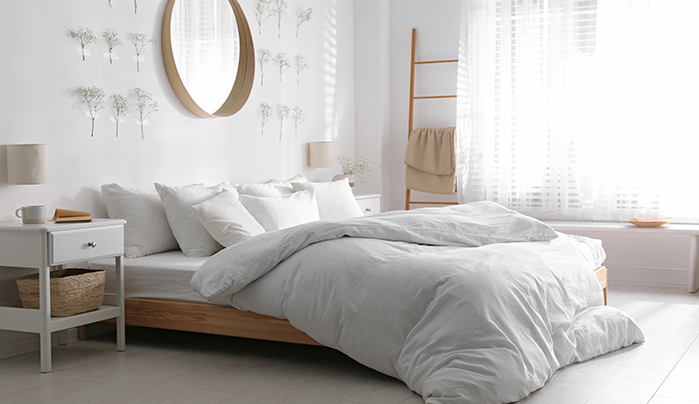
Solid wood beds are often considered premium by default, but that isn’t always the full picture.
Plywood offers more uniform strength because of its cross-layered structure. It resists cracking, splitting, and warping better than many solid wood options, especially in larger bed sizes or storage designs. Plywood also allows greater flexibility in design, making it ideal for modern beds with drawers, hydraulics, or upholstered elements.
A well-designed plywood bed can easily match, and sometimes outperform, a solid wood bed in terms of strength and stability.

Storage beds and hydraulic systems put extra pressure on the frame due to moving parts and added weight. For these designs, stronger plywood grades are essential.
BWR or BWP plywood is recommended, along with thicker sheets to distribute weight evenly. Moisture resistance also helps protect internal storage areas from dampness and long-term damage. Choosing the right plywood here ensures smooth operation and prevents structural strain over time.
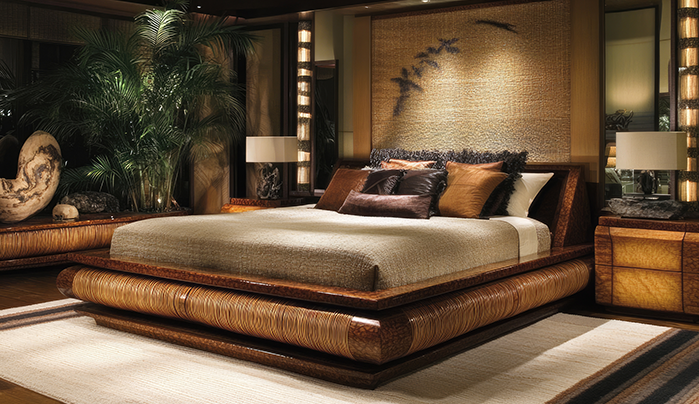
Plywood thickness directly affects how strong and stable a bed feels.
Using the correct thickness reduces flexing, improves load-bearing capacity, and adds to the overall life of the bed.
While choosing the right and best plywood for bed or bed frames, there are several factors which need to be considered.
While premium plywood may cost more initially, it often proves more economical in the long run. High-quality plywood reduces the chances of sagging, repairs, or early replacement. When a bed lasts longer and performs consistently, the overall cost per year of use becomes significantly lower.
Choosing reliable plywood from a trusted brand ensures that you’re paying for durability, not future fixes.
Fire-retardant plywood slows down flame spread and reduces fire intensity. It’s especially useful in modern homes where beds are placed near electrical fittings or used in storage designs with concealed wiring. While optional, it adds an extra layer of safety without compromising comfort or aesthetics.
Bedrooms in humid regions or near bathrooms need higher-grade plywood. Proper moisture resistance helps maintain structural integrity across seasons and prevents swelling or weakening over time.
Plywood adapts easily to different bed designs—from minimalist frames to upholstered headboards and modular storage beds. It works well with laminates, veneers, and finishes, allowing creative freedom without sacrificing strength.
Beds made with good-quality plywood don’t demand much upkeep. Keeping the area dry, ensuring ventilation, and checking joints occasionally is usually enough. With basic care, premium plywood beds maintain their performance and appearance for years.
A bed is a long-term investment, and the material beneath the mattress matters more than most people realise. The right plywood ensures daily comfort, structural strength, and peace of mind.
By understanding plywood grades, thickness, climate suitability, and cost effectiveness, homeowners can make choices that go beyond surface aesthetics. Whether it’s a simple bed frame or a complex hydraulic design, strong, reliable plywood forms the foundation of restful, uninterrupted sleep.
For most standard bed frames, 18 mm plywood is considered ideal as it provides the right balance of strength and stability without adding unnecessary weight.
For the bed includes storage compartments, hydraulic mechanisms, or is designed to carry heavier loads, opting for 19 mm or thicker plywood is a better choice. Thicker plywood reduces flexing over time and helps the bed retain its shape and structural integrity for years, even with daily use.
The best plywood for bed is one that offers high strength, dimensional stability, and long-term durability. Boiling Water Resistant (BWR) or Boiling Water Proof (BWP) plywood is commonly recommended, as it can handle load, humidity, and daily use without warping. These grades are especially suitable for bed frames because they provide a solid foundation that supports weight evenly and maintains structural integrity over time.
The quality of plywood for bed plays a significant role in how long the bed lasts. High-quality plywood uses well-bonded veneers, strong adhesives, and consistent core construction, which helps prevent sagging, creaking, or joint failure. Poor-quality plywood, on the other hand, may weaken over time, especially under constant load. Choosing the right grade ensures the bed remains sturdy and comfortable for years.
Yes, a well-constructed bed made using premium plywood for bed can be just as strong as a solid wood bed. Plywood’s layered construction provides uniform strength and better resistance to cracking or splitting compared to solid wood. When designed and assembled correctly, plywood beds offer excellent load-bearing capacity and long-term reliability.
For hydraulic or storage beds, BWP or high-grade BWR plywood for bed is ideal. These beds involve moving mechanisms and additional weight due to storage compartments, so the plywood must handle stress without bending. Moisture-resistant plywood also protects the internal structure from humidity, ensuring smooth operation of hydraulic systems and extended durability.
Loading categories...


