
Consumer
Interior design has quietly evolved. It’s no longer only about picking the right colour or layout—it’s about how a space feels when you touch it, live in it, and move through it every day. And that’s where surface finishes begin to matter more than we realise.
Textured laminates have become increasingly popular because they add depth which is something flat surfaces often lack. They introduce a tactile quality that makes furniture and interiors feel warmer, more layered, and more intentional. At the same time, they are practical enough to handle everyday wear without demanding extra maintenance.
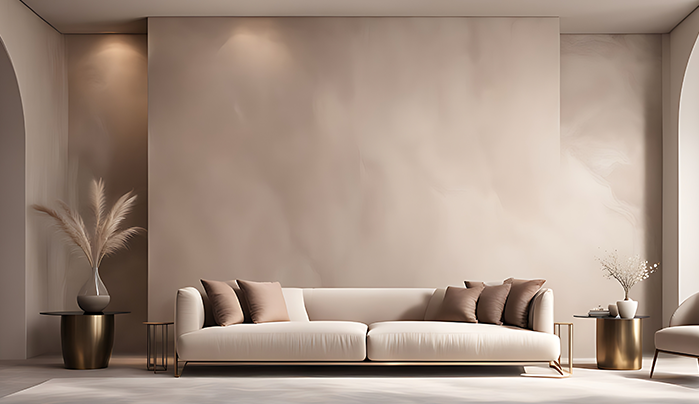
This guide takes a closer look at textured laminates, what they are, why homeowners and designers are choosing them, and how to use them thoughtfully across different spaces.
Textured laminate is a decorative surface finish designed to mimic the natural feel of materials like wood, stone, fabric, or even concrete. Unlike smooth laminates, these surfaces have a subtle or pronounced texture that you can both see and feel.
Depending on the design, the texture may resemble wood grain, brushed stone, soft matte fabric, or lightly embossed patterns. The intention isn’t just to decorate a surface, but to give it character and dimension.
Brands like CenturyPly design textured laminates keeping real-life usage in mind, so the finish doesn’t just look good on day one, but continues to feel relevant and refined over time.
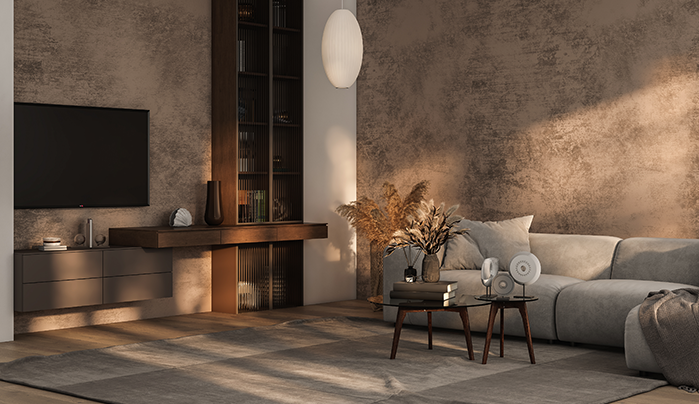
One reason textured laminates are becoming a preferred choice is their ability to offer the warmth of natural materials without the challenges that come with them. Solid wood, stone, or concrete surfaces may look beautiful, but they often require careful maintenance and come with higher costs.
Textured laminates strike a balance. They deliver visual richness and tactile appeal while remaining durable, easy to clean, and suitable for everyday living.
Another advantage is how well these surfaces age. Textured finishes naturally mask fingerprints, light scratches, and minor wear, making them especially useful in homes where furniture is used extensively rather than just admired.
The difference between textured and regular laminates becomes clear once you experience both in a real space.
Regular laminates are smooth and minimal. They work well for clean, simple designs but can sometimes feel flat or overly reflective under strong lighting.
Textured laminates add another layer to the surface. Light interacts with the texture, creating soft shadows and highlights that bring depth to furniture and panels. This makes wardrobes, cabinets, and wall units appear more thoughtfully designed, even in neutral colour palettes.
From a practical point of view, textured laminates are also more forgiving in daily use. Smudges and signs of wear are less visible, which is why they are often chosen for wardrobes, kitchens, and work areas.
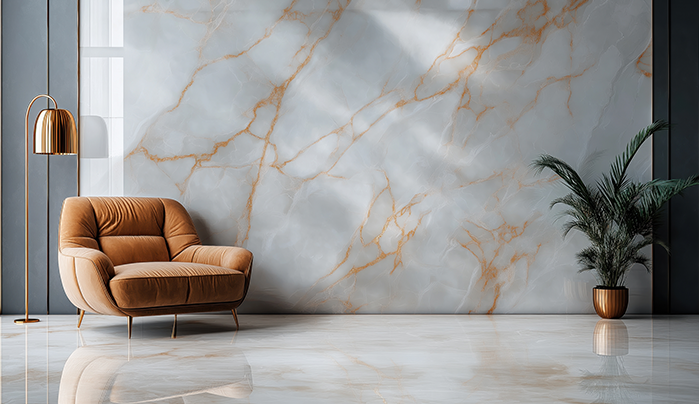
Textured laminates are versatile and can be adapted to different rooms depending on the finish selected.
Textured laminates are not just a design choice; they’re a practical one too.
This combination of aesthetics and usability is why textured laminates from trusted manufacturers such as CenturyPly are increasingly specified in long-term interior projects.
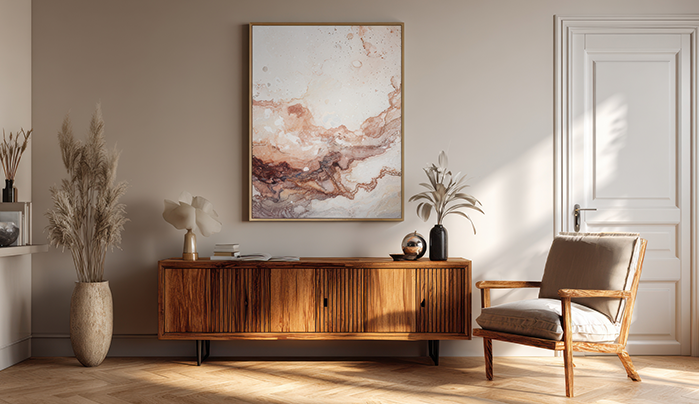
The right texture depends on how and where it will be used.
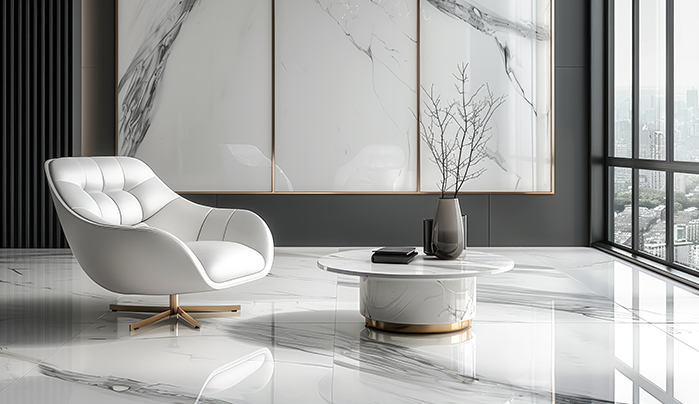
Despite their detailed surface, textured laminates are surprisingly easy to care for. Regular dusting and occasional wiping with a soft, damp cloth is usually enough.
Because the surface isn’t completely flat, fingerprints and minor scuffs don’t stand out as easily. This makes textured laminates especially suitable for homes with children or frequently used furniture.
With basic care, good-quality textured laminates retain both their look and performance for years.
Textured laminates pair beautifully with other finishes such as glass, metal, and smooth matte surfaces. Designers often use them to balance out minimal elements and add warmth without visual clutter.
They also respond well to lighting. Vertical applications can emphasise texture, while soft lighting enhances the depth and richness of the surface.
This flexibility makes textured laminates suitable for everything from understated interiors to more expressive, design-led spaces.
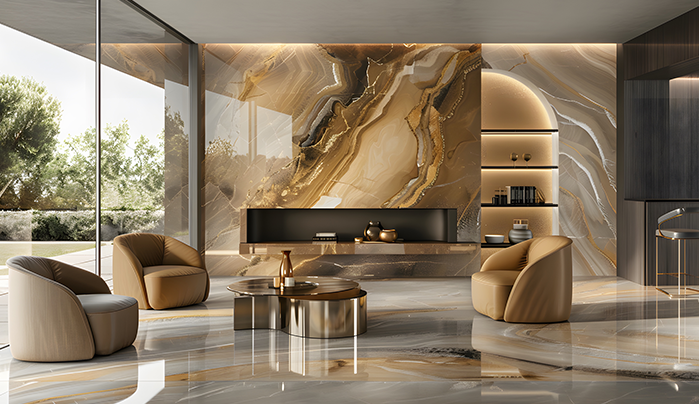
Here are a few ways textured laminates can be visually applied in interiors:
1. Woodgrain wardrobe shutters to add warmth and subtle texture in bedrooms
2. Textured TV unit back panels to create depth without using heavy materials
3. Stone-inspired laminate for kitchen tall units for a modern, architectural look
4. Fabric-textured laminates on headboards for a soft, upholstered feel without fabric maintenance
5. Concrete-texture laminates on study desks or cabinets for a contemporary, urban aesthetic
These applications show how texture can quietly elevate everyday furniture.
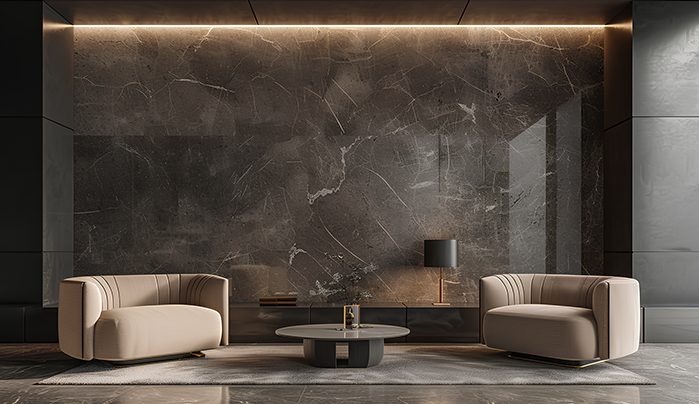
If you’re looking for surfaces that feel refined, age gracefully, and handle daily use without fuss, textured laminates are a strong choice. They bring together design depth and durability in a way that suits modern living.
Whether you’re designing a new home or refreshing an existing space, textured laminates offer a simple way to add character without complexity.
Interior surfaces may not always demand attention, but they shape how a space is experienced every day. Textured laminates add a sense of richness that goes beyond appearance, enhancing both look and usability.
With thoughtful selection, reliable quality, and design versatility, especially when sourced from established brands like CenturyPly, textured laminates become a long-term asset rather than just a decorative finish.
A textured finish is a surface treatment that adds depth and a tactile feel to a laminate. Unlike smooth finishes, textured laminates are designed to mimic the look and feel of natural materials such as wood, stone, fabric, or concrete. The texture can be subtle or pronounced, allowing the surface to look more layered and natural rather than flat or glossy.
Textured finish laminates work best in spaces where furniture is used frequently and visual warmth is important. They are commonly used on wardrobes, kitchen cabinets, TV units, wall panels, and office furniture. These surfaces shine in areas where you want to reduce visible fingerprints, add depth, and create a more refined, lived-in look without high maintenance.
Textured laminates offer several everyday advantages:
This balance of aesthetics and practicality is why textured laminates from trusted brands like CenturyPly are often preferred for long-term interior applications.
Maintaining textured laminates is simple. Regular dusting and wiping with a soft, damp cloth is usually enough to keep the surface clean. For tougher stains, a mild cleaning solution can be used. It’s best to avoid abrasive cleaners or hard scrubbing tools, as they can damage the texture over time. With basic care, textured laminates retain their appearance for years.
The main difference lies in surface feel and visual impact. Regular laminates have a smooth, flat finish that looks clean but can sometimes appear plain or show marks easily. Textured laminates, on the other hand, have a dimensional surface that interacts with light and touch. This makes them better at hiding everyday wear while adding character and depth to furniture and interiors.
Loading categories...


