
Consumer
Interior materials decide far more than looks; they decide how much time and money a home demands after move-in. Home maintenance becomes a recurring cost when surfaces swell, stain or age poorly, while the right choices can cut that cost dramatically. This guide compares the interior materials that genuinely reduce upkeep.
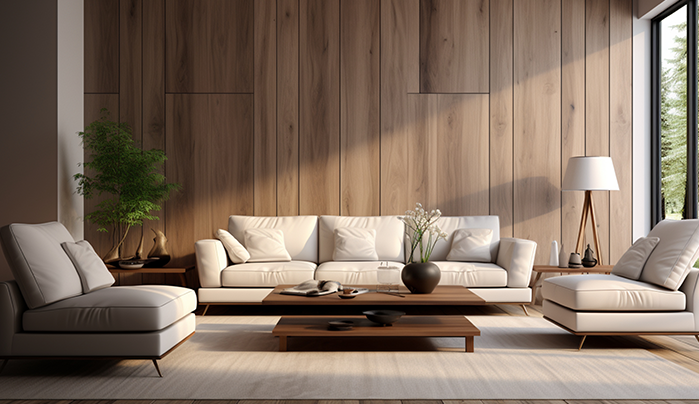
Low-maintenance home materials are surfaces engineered to resist moisture, pests, scratches and stains without frequent sealing or replacement. They reduce home maintenance by minimising recurring tasks like repainting, resealing and pest treatment that ordinary materials may require within a few years.
Untreated timber, basic paint and porous stone all need periodic upkeep to stay functional. Engineered materials are designed with these protective properties built into the manufacturing process rather than added afterwards.
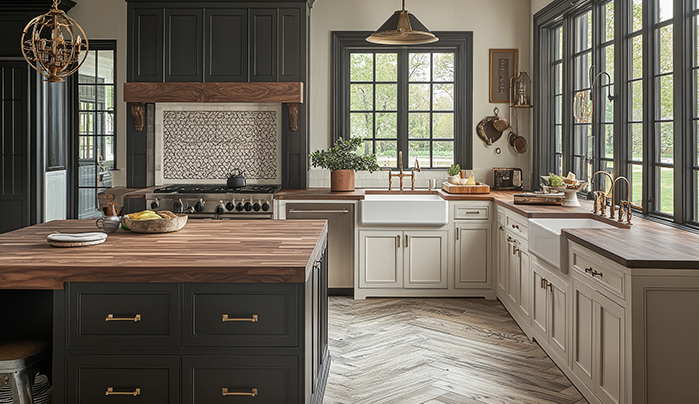
Home maintenance matters because busy households have less time for repainting, resealing or pest control, and repeated repairs quietly add up over a home’s lifetime. Choosing resistant materials early on can avoid these expenses rather than delay them.
In humid and pest-prone parts of India, untreated materials can experience faster wear, so a material’s real cost includes years of upkeep, not just the purchase price.
Plywood with Firewall Technology is a low-maintenance structural material, engineered to resist fire spread, moisture and pests without added upkeep. Club Prime is Boiling Water Proof and Borer and Termite Proof, passing 25 BIS tests with no resealing needed.
Firewall Technology uses nano-engineered particles to slow flame spread and reduce smoke. Club Prime is also backed by Total Cover, a 10-year warranty covering plywood, laminates, adhesives, labour and transportation for a confirmed defect.
Buyers can verify authenticity through the CenturyPromise QR code app and purchase genuine sheets through Century Eshop’s plywood section.
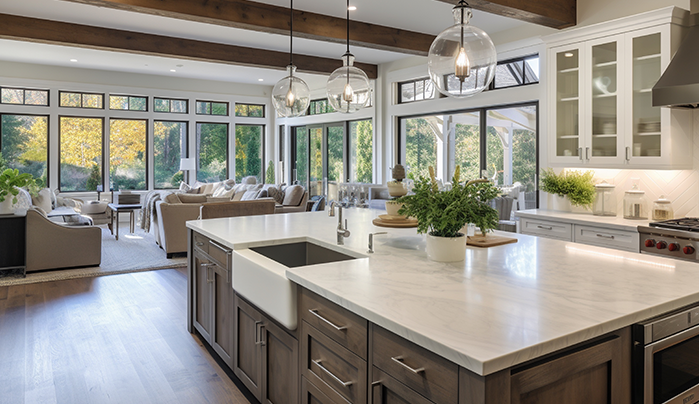
CenturyLaminates reduce daily home maintenance by resisting scratches, stains and moisture on wardrobes, countertops and cabinets, without the need for special cleaning products. A damp cloth is typically enough to keep surfaces looking new for years.
The BWR-grade surface does not swell or warp on contact with water, while special adhesives provide Borer and Termite Proof protection. Ranges like Lucida offer enhanced scratch resistance and heat tolerance up to 180°C near hobs and cookware.
This makes CenturyLaminates a practical fit for busy kitchens and homes with children or pets, where daily wear would otherwise demand constant touch-ups.
CenturyVeneers do not require high upkeep when sourced from a branded, quality-tested range, since Boiling Water Proof and Borer and Termite Proof treatments eliminate most moisture- and pest-related maintenance. Occasional dusting with a soft cloth is generally sufficient.
The NatzuraWoods range uses hot-melt thread bonding and German Sanding Technology for a smooth finish, while SenzuraStyles uses Glue Line Protection for consistent, engineered veneer. Minor scratches can often be buffed out locally rather than requiring full resurfacing.
Veneers, therefore, combine a natural wood look with maintenance demands that can be lower than those of untreated solid timber.
WPC boards are genuinely low-maintenance, needing no polishing, sealing or repainting throughout their service life. As one of CenturyPly’s New Age Products, WPC boards resist moisture and warping better than traditional wood-based materials, needing only an occasional wipe-down.
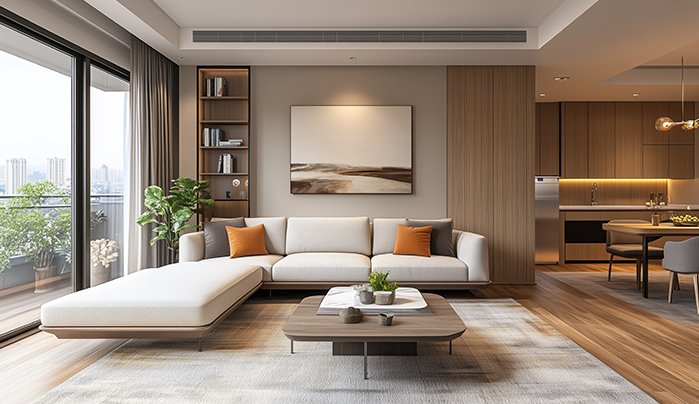
Made from wood fibres and thermoplastic, WPC boards are well-suited to humid zones like bathrooms and kitchens, where natural wood would require frequent resealing. Their strength also supports heavier fittings such as cabinetry and wardrobes, reducing home maintenance effort to routine cleaning alone.
PVC boards cut down home maintenance with a 100% waterproof, non-porous surface that resists stains, moisture and pests without any sealing or polishing. Made from polyvinyl chloride, they are among CenturyPly’s New Age Products for modern, low-upkeep interiors.
The smooth finish prevents liquids and dust from being absorbed, which is why PVC boards suit bathroom vanities, kitchen backliners and hospital-grade interiors. They are also easy to reinstall if a section needs replacing.
Between WPC and PVC, PVC generally demands the least ongoing upkeep thanks to its fully synthetic, moisture-proof composition.
The table below summarises how each material performs against common maintenance demands.
| Material | Moisture Handling | Pest Resistance | Typical Upkeep |
|---|---|---|---|
| Plywood (Firewall Tech) | Boiling Water Proof | Borer and Termite Proof | Minimal, backed by Total Cover |
| CenturyLaminates | BWR grade, no swelling | Borer and Termite Proof | Wipe with a damp cloth |
| CenturyVeneers | Boiling Water Proof | Borer and Termite Proof | Occasional dusting |
| WPC Boards | Highly moisture-resistant | Resists warping and decay | No sealing or polishing |
| PVC Boards | 100% waterproof | Borer and Termite Proof | Wipe clean, no sealing |
Verdict: PVC and WPC boards demand the least ongoing upkeep, while plywood and laminates offer comparable ease with added strength and warranty backing.
Choosing materials to minimise home maintenance starts with matching each one to its zone: PVC and WPC for wet areas, laminates for high-traffic surfaces and Firewall Technology plywood for structural safety. No single material fits every application equally well.
Buyers should check for verifiable standards like BIS compliance, warranty coverage and tools like CenturyPromise rather than relying on marketing claims alone. Combining materials strategically, rather than defaulting to one across the home, delivers the lowest overall maintenance burden.
No, regular cleaning is sufficient; the material itself provides resistance to pests and fire. Routine dusting and wiping are generally enough to keep the surface clean.
Yes, its BWR grade and scratch resistance suit kitchen countertops with minimal upkeep. Regular wiping can help maintain the surface and keep it looking clean over time.
It reimburses plywood, laminates, adhesives, labour and transportation costs for a confirmed defect within ten years. This coverage can reduce the financial impact of qualifying product defects during the warranty period.
Loading categories...


