
Consumer
The modern interior spaces have changed; they no longer cater to the old wall paints and dividers, modern office spaces, and homes demand a lot more than that. People now want to design that feels modern, and simultaneously be refined enough so that it provides the right balance of privacy, ventilation, and light control.
More than that, this need for openness means that people want rooms to appear spacious without sacrificing privacy in any way. This can be achieved by introducing some sort of visual softness in your interiors, and this visual softness can come from louvers. They add both visual softness and functional separation, which are the pillars for modern-day spaces.
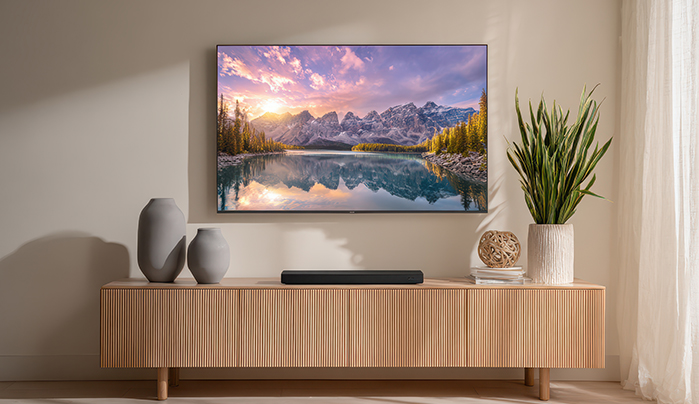
But first, let us understand what Visual Softness is in Interior Design. In simple words, it means that the lines and colors of the furnishings are subtle and comfortable. It means that when you enter a home, the colors and the decorations around you do not overwhelm you on the spot.
Something that greatly contributes to visual softness is light diffusion. When light passes through certain elements, instead of just reflecting off walls, it creates this whole ambience of spaciousness. Other than spaciousness, it also avoids sharp contrasts and glare, and replaces them with a warm, even glow, allowing for a much more natural environment.
However, another great contributor is textures and shadows, as they play an equally important role. Flat walls generally give this monotonous look, but textures and shadows create a sense of depth in the room, giving a more premium feel.
In interior designing, there is this concept called “controlled transparency,” and louvers seem to fit that perfectly. They don’t close off or shut off a space completely, but rather, they allow partial visibility, create separation without isolation, as you may call it, and they also provide privacy.
This balance becomes much more important in homes and workplaces where privacy is of utmost importance, but you do not want to lose the openness as well. There are some gaps between the slats that allow airflow to move freely, supporting better ventilation and light filters, no need for artificial lighting during the day.
In residential homes, they are used to separate dining areas from living areas, while in offices, they’re used to organise layouts, guide movement, and create semi-private zones which can be used for meetings, etc.
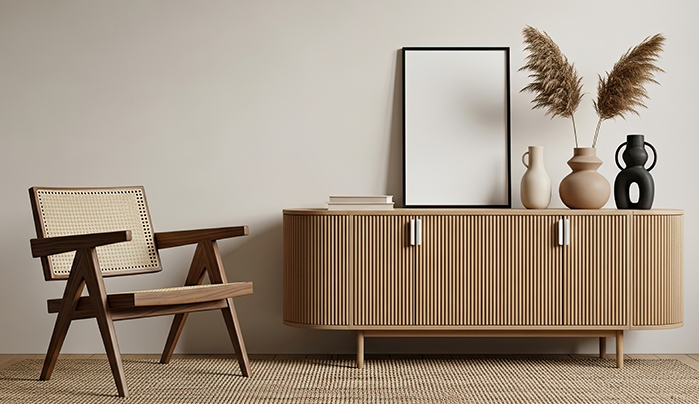
WPC interior louvers are made to provide modern spaces with structure, depth, and a peaceful feel. They help walls and partitions do more than just sit there. WPC panels are made to resist heat, moisture, and UV radiation, unlike regular wood or MDF panels. This makes them great for WPC outside wall cladding, but they can also be used inside, where durability is important.
Some of the key features include:
As climate change is constantly a nuisance to this world, it is important for us to own up to sustainable practices. Here at CenturyPly, sustainability is our biggest priority, which is why we have sustainable manufacturing practices at our Andhra Pradesh facility.
WPC louvers, in general, have a lot of benefits when it comes to keeping the environment safe. Firstly, they’re not dependant on wood, which is why they help conserve natural forest resources. They also have a longer lifespan compared to traditional wood. Our Louvres at CenturyPly are resistant to termites and moisture, which reduces chemical treatments and repairs.
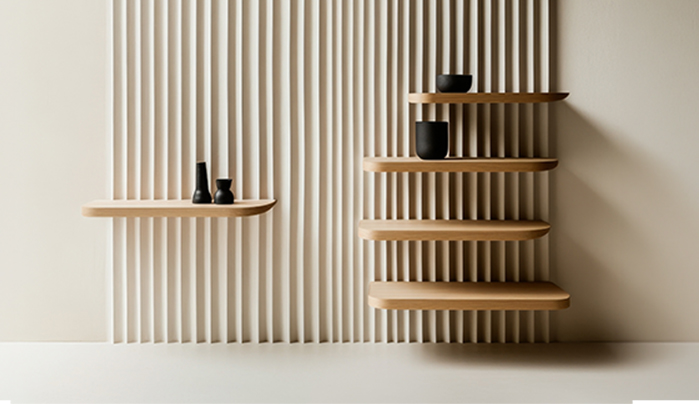
| Aspect | Splay | Deuce |
|---|---|---|
| What it looks like | Wide, flat slats with a clean, even surface. Nothing is busy or loud. | Interlocking slats that create a layered, patterned look. |
| Overall feel | Calm, smooth, and sophisticated. Easy on the eyes. | Energetic and lively, with more visual movement. |
| How does it affect the space? | The wider slats make walls feel settled and relaxed. The eye moves slowly, which creates visual calm. | The interlocking design adds depth and shadow, making the space feel more dynamic. |
| Where it works best | Living rooms, bedrooms, TV walls, and formal areas where you want a soft, polished look. | Cafés, offices, reception areas, and accent walls that need a bit of character. |
| Interior style match | Minimal, modern, and luxury home interiors. | Contemporary, urban, and creative spaces. |
| Design personality | Subtle and refined. | Bold, modern, and expressive; without losing functionality. |
So you must be wondering where you can use these interior louver variants across your home and office, right? Well, here are some design applications that you can definitely try out when you get your next interior design done.
Louvers work wonderfully as wall cladding, as they allow you to add texture and depth. Louvered panels add depth and soft shadows to flat, simple walls, which makes the area feel more open right away. People typically use them behind TVs, on living room accent walls, or as backdrops in bedrooms where a soft, layered look is wanted.
Louvers are the perfect middle ground between open design and private areas when used as partitions. In homes, they can separate the dining and living spaces, create a home office nook, or provide bedrooms with more solitude without blocking ventilation. Louver partitions assist organize layouts in workplaces and businesses by making conference rooms, work zones, or seating areas, all while keeping the space open and connected.
Louvers are certainly the best bet when it comes to visual softness, as they allow you to design airy yet private interiors. Thanks to their semi-transparent design and ventilation that allows for ample airflow while also providing enough seclusion. If you’re looking for good-quality louvres, remember to always pick CenturyPly’s WPC Louvres, as they’re your best bet when it comes to long-lasting designs.
Loading categories...


