
Consumer
Modern homes and offices have evolved beyond single-purpose spaces. Today, we live and work in a flexible world where home offices are also used as a guest room, open-plan living areas are extended into dining spaces, and shared business areas require flexibility.
In this guide, we explore how louvers balance the conflicting requirements of privacy, and design appearance in multi-purpose spaces.
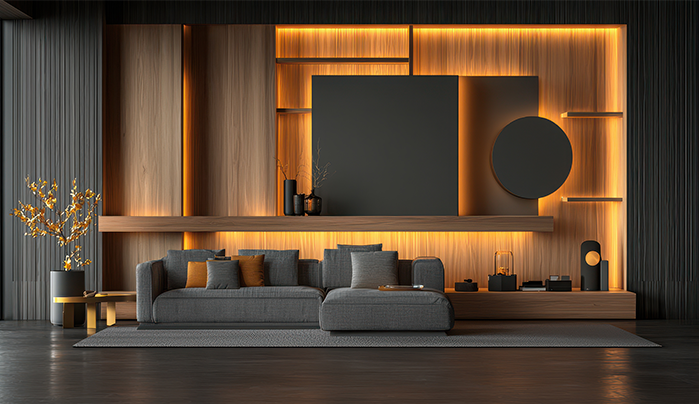
Louvers are architectural features that are angled slats or fins (usually at 30 to 45 degrees) which control light, and sightlines but do not limit visual or physical circulation.
Louvers contrast with solid walls or doors, which pose hard barriers separating spaces. They work by forming an intelligent in-between space between total openness and full enclosure, offering a solid middle ground.
The magic of louvers lies in their flexibility. You get to choose what goes through—light, and views—by adjusting the angle and the space present between slats (usually 1 to 2 inches). This makes them perfectly relevant for a multi-use area where a fixed solution would be disruptive to usability or aesthetic appeal.
Multi-use spaces operate under competing pressures. A home office needs privacy during video calls focus. A shared commercial space demands visual separation without creating a cave-like, enclosed feeling. A bedroom that doubles as a guest area needs adjustable privacy depending on occupancy and season.
Louvers address these contradictions elegantly:
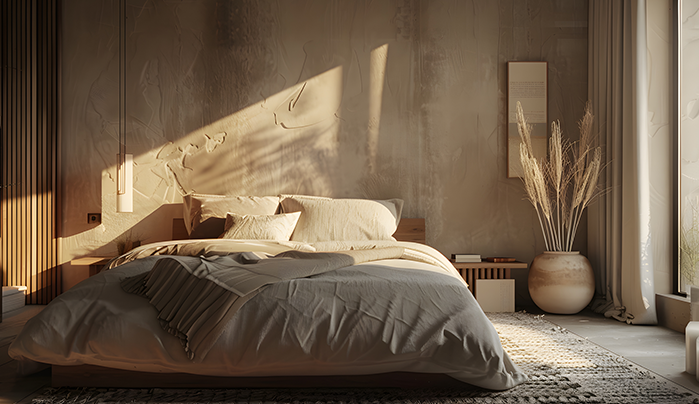
In modern interiors, louvers play a unique role by solving multiple challenges at once.
Privacy in multi-use spaces entails avoiding unwanted eye contact, rather than forming closed areas. The slat angle of a louver is important; steeper (45 degrees) louver angles offer the highest privacy and, at the same time, maintain openness.
Louver partitions in shared offices allow concentration at work without supervision. Angled louvers in studio apartments serve to provide visual separation of sleeping and living spaces without losing the airy feeling.
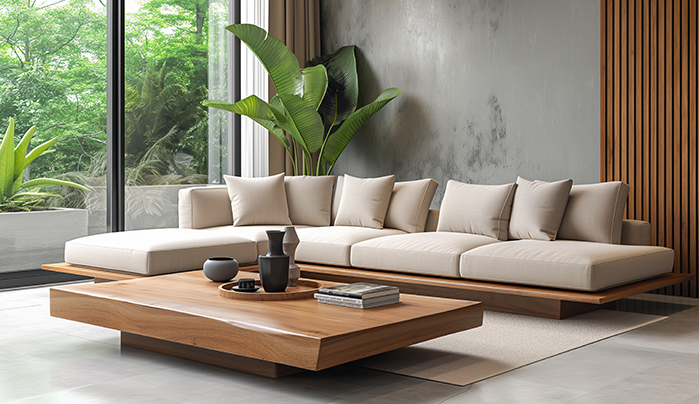
Louvers are no longer merely functional; they're design statements. Modern louver systems are made of wood, aluminum, composite, and WPC with different finishes. Wooden louvers add sculptural warmth; metallic options provide a contemporary edge; composites bridge both.
The visuals of the louvers contribute to the depth and interest of compact spaces without crowding them.
There are two types of louvers: fixed and adjustable. The right choice is based on the frequency of privacy in addition to the degree of control that is necessary on a day-to-day basis.
Fixed louvers have permanent blades at premeditated angles, and they are most suited where the need for privacy . They are cost-effective, require no maintenance, and make permanent architectural design.
Real-time changes of the angle are achievable with the use of adjustable louvers that regulate privacy on demand. The flexibility is appropriate in areas where the needs are variable—open for light and views, angled for focused working, or closed for privacy.
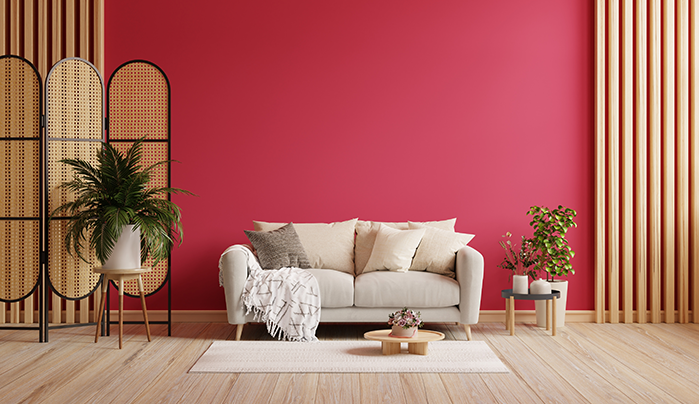
CenturyPly understands that multi-use spaces demand solutions that perform across multiple dimensions. CenturyPly Louvers are available in fixed and adjustable models made out of high-quality materials with fixed slat spacing and angle accuracy.
Our range spans natural wood aesthetics to modern composites, allowing seamless integration into any interior language. Be it the division of a home office, screening of a balcony, or the establishment of useful dividers in business premises, CenturyPly Louvers provide the stability and aesthetics that dividing spaces require.
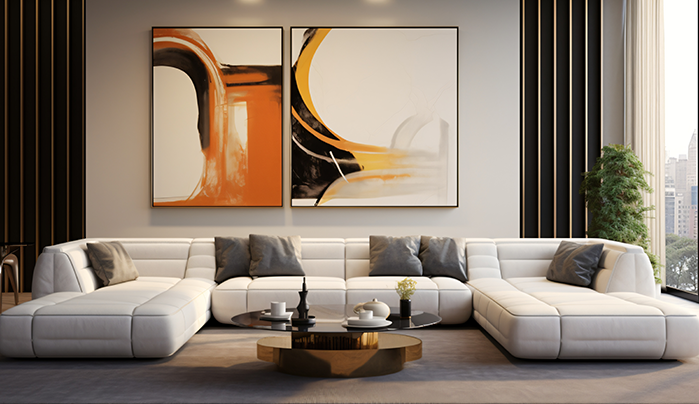
Louvers represent a smarter approach to multi-use spaces. Instead of deciding between privacy, openness, louvers provide all three. They're an investment in spatial flexibility, comfort, and design intelligence, enabling the adaptable, sophisticated spaces we live in today.
30–45 degrees, with steeper angles providing greater privacy. The exact angle depends on perspective .
Yes. Modern adjustable systems are engineered for heavy use. Fixed louvers eliminate maintenance concerns in high-traffic areas.
Fixed louvers are applicable in spaces that have a standard requirement and a limited budget. Adjustable louvers are applicable where privacy.
No, they do not block light, but diffract and spread it, maintaining daylight penetration while providing privacy.
Loading categories...


