
Consumer
Picking veneers and solid wood for your home is not just a design statement. It has a direct effect on sustainability, cost efficiency, durability, and the long-term performance of your home. Both of these are used quite often in interiors, but their purpose is different, and they come with their own set of strengths and weaknesses.
At CenturyPly, you should make informed choices and have a good understanding of what you're choosing. So here’s everything you need to know about the two and how you can pick what works best for you.
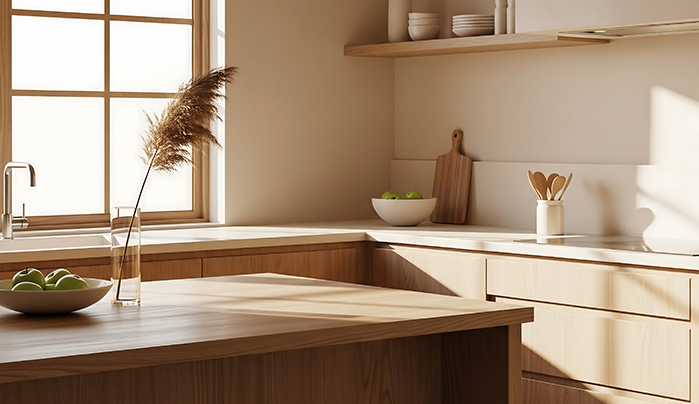
Solid wood means exactly the way it sounds. It is timber cut directly from trees and is used in its natural form. The grain, texture, and color all come from a single piece of wood. So every panel that you choose will have a unique pattern on it. Traditionally, it has been used in furniture, décor, and other places where you would essentially use wood.
Veneers, on the other hand, are very thin slices of natural wood that are then bonded with a base such as plywood or an engineered board. Although the surface is real wood, the core is artificially made to have more strength and consistency of design. In the end, the look that you get is of solid wood, but there is refinement in the performance and how it’s used.
When you use solid wood, a lot of timber is required. A single piece of furniture can take about a full mature tree to make. This means that this resource in itself is not very sustainable. It is not efficient. And when the demand is high, it simply equates to the resource being low. The sourcing can take time.
Veneers are more sustainable to use. Even from a single log, multiple sheets can be made since artificial elements are also added to it. When they’re bonded together to engineered cores, veneers also reduce wood wastage while still retaining that natural wood surface design, making it a more responsible choice to go with. And of course, there is the durability factor that comes with it. Environmentally, this is the more conscious choice.
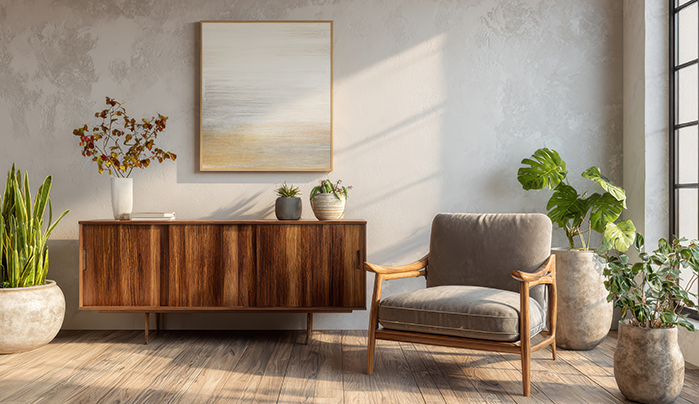
Solid wood is scarce, so it is also expensive. The price changes according to the raw material cost, like processing, what time of the season it is, and transportation. You’re also looking at a price increase when you choose a premium or exotic species of wood. And when you go for repairs or replacement, that is also a big hassle and, of course, costlier.
Veneers, on the other hand, are very cost-effective. What this means is that less natural wood is used in every panel, so the overall material cost reduces significantly. There is also a low rejection rate in manufacturing since they are artificially made. The pricing remains consistent, and it is easier to maintain and repair over time.
Solid wood gives you that authentic, traditional design pattern. But since every tree has its own design and solid wood is sourced from different trees, you will not get a certain uniformity. Your design will be different with every piece that you use.
Veneers, on the other hand, give you more uniformity visually. This means that the grains match consistently, color tones are uniform, and the finishes are clearer. You get the warmth and the look of solid wood, but at a lower price and with more control over what your design looks like.
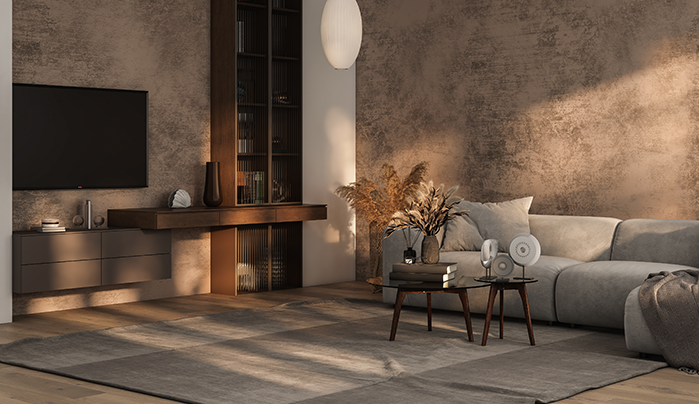
Solid wood, since it is in its very pure and natural form, also reacts to the environment around you. It expands and contracts with rising humidity or cold. So it raises another consideration for you, which is choosing wood according to the area you live in. Otherwise, it can warp, crack, or create joint gaps over time, specifically when used in kitchens or areas where heat is used.
Veneers, on the other hand, since they are bonded with engineered boards, have more stability in this area. The material used is resistant to movement and heat. So it maintains its appearance over time and does not change its form or shape. This reduces the risk of deformity, and over the long term, the performance is also quite better.
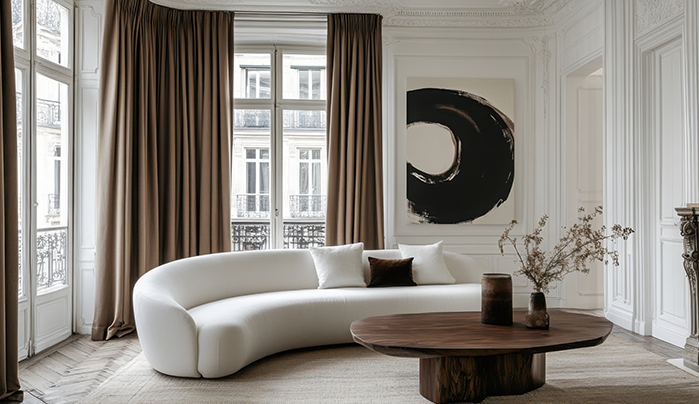
Solid wood has its charm; there is no denying that. But when you are looking for something that is both practical and aesthetic, that is where veneers come in. If you want to give your home a rustic look, feel, and scent that only comes with using solid wood, then you can go for it. However, if you want your home to be sustainable, reliable, stand strong in the long term, and not soak up too much money in repairs and maintenance, then veneers are the choice.
At CenturyPly, our solutions and technology give you this balance where you do not have to pick between looks and sturdiness. We put the two together and give you a product that can elevate the overall look and feel of your home.
Choosing between veneer and solid wood depends on your specific needs, budget, and environmental values. While solid wood offers timeless authenticity, veneers provide a modern, stable, and eco-friendly alternative that doesn't compromise on the beauty of natural timber.
Both. The top layer is real wood and on the bottom, you have an artificial board.
Solid wood is not always better. If your focus is merely the aesthetic, then yes. But on the level of durability, veneers are the obvious choice.
Veneers are more sustainable. They use less natural wood and reduce wastage while still giving the look of real wood.
Yes. Our veneers are made after bonding them with industry-grade material. It is meant to last you years on end.
Yes. Veneers work well in kitchens when used with the right core material. They are more stable than solid wood in heat and humidity.
Yes. Solid wood needs regular care. It can warp, crack, or develop gaps over time if not maintained properly.
Loading categories...


