
Consumer
Walk into a space that feels genuinely well-designed, and there's usually something you can't immediately put your finger on. It doesn't feel busy. It doesn't feel bare. There's depth somewhere, texture somewhere, a surface that makes the room feel considered rather than just furnished. More often than not in 2026, that surface has louvers on it. Louvers have moved from being an architectural detail on windows and facades into one of the most talked-about laminate finishes in residential and commercial interiors. And it makes sense when you think about what they actually do because louvers bring something to a flat furniture surface that almost nothing else can. At CenturyLaminates, we've introduced two new Louver textures in the LookBook 2026–27 as part of the Trendz Edit. Here's the full picture.
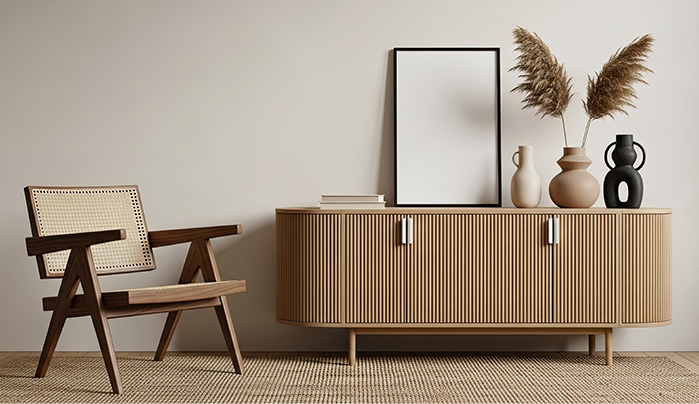
Most laminate finishes operate on a single plane. A colour sits on the surface. A grain runs across it. You see the finish, and that's the whole story.
Louvers add a second dimension. The grooves cut into the surface create actual physical depth, and depth creates shadow. As natural light moves through a room across the day, the surface doesn't look the same at 10 am as it does at 6 pm. The shadows shift. The texture changes. A wardrobe shutter in a louver finish in the morning light reads completely differently by evening.
This is what separates louvers from decorative patterns. A pattern is static. Louvers are responsive; they interact with the light in the room, which means they interact with how the space feels.
The other reason louvers have taken hold in modern interiors is restraint. They add visual complexity without adding visual noise. A louver finish on a TV unit or a kitchen shutter draws the eye without competing with everything else in the room. For interiors that want to feel considered and layered, not maximalist, not bare, that balance is exactly what's needed.
Louver Blinds are the more assertive of the two textures. Deep grooves, strong shadow lines, pronounced architectural presence. When this finish catches directional light, the effect is genuinely dramatic in the best sense, surfaces that look like they were designed, not just selected.
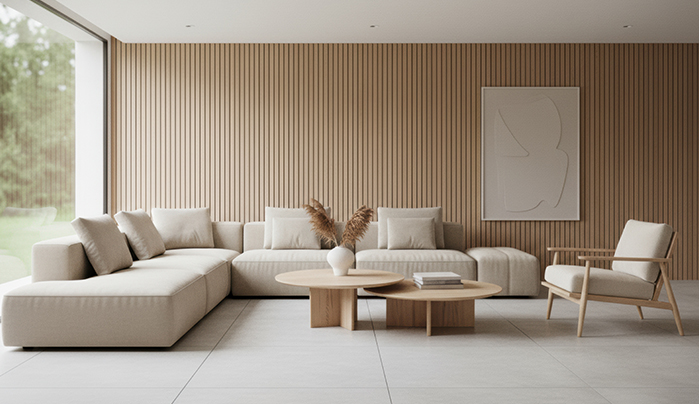
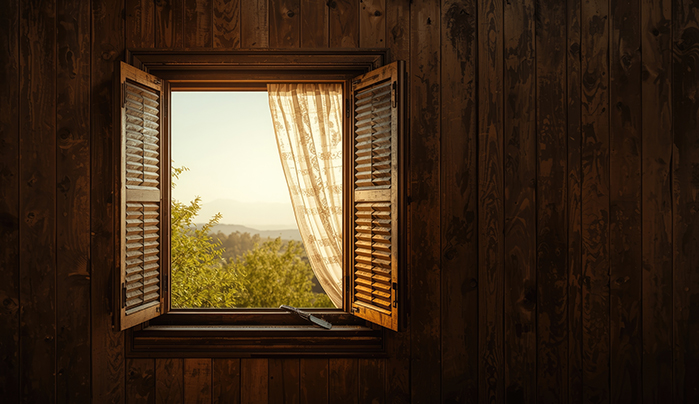
If Louver Blinds make a statement, Louver Curtains hold a conversation. The grooves are more elevated and refined, the shadow effect is present but gentler, and the overall feel is composed rather than bold. 8 designs across solid colours, woodgrains, and stones, also at 1.50mm thickness. This is the finish for spaces where you want the louver quality, the depth, the texture, the sense that surfaces have been thought about without the surface becoming the loudest thing in the room. Bedroom wardrobes work particularly well here. The linear quality of the louver lines adds visual interest to large, flat wardrobe doors without making the bedroom feel heavy. Bathroom furniture, too the refined lines brings an understated luxury that suits spaces designed around calm. In corporate interiors, Louver Curtains deliver the kind of sophisticated, considered quality that clients and visitors notice without necessarily being able to name.
Louver laminates are not whole-room finishes. They are deliberate choices on specific surfaces, and that specificity is exactly what gives them their impact.
1.TV units and entertainment panels are the most consistent applications.
The louver lines draw attention to the surface in a way that frames the television rather than fighting with it. In living rooms that lean contemporary or minimal, this is the single design decision that most changes how the space reads.
2.Wardrobe shutters gain enormously from louver finishes.
The linear pattern gives a large, flat surface a genuine character. A full-wall wardrobe in a louver finish stops being background and starts being part of the room's design language.
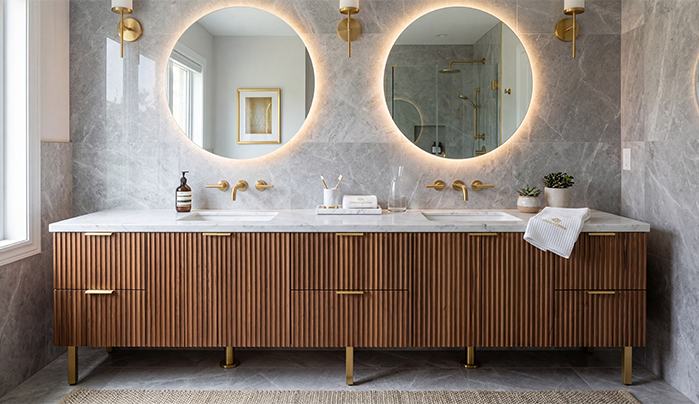
3. Kitchen shutters in Louver Blinds woodgrain
This finish creates a kitchen that feels genuinely crafted. The combination of organic warmth and geometric texture is one of the stronger pairings in the 2026 catalogue.
4. Accent furniture in commercial and hospitality settings
These features include cabinets, room dividers, and statement counters, where louver laminates deliver the most immediate impression. The architectural quality signals premium without requiring anything else in the space to justify it.
The CenturyLaminates LookBook 2026–27 includes a dedicated Combinations Booklet that covers this in depth, but here is how to approach the pairing decisions.
Louvers with woodgrains
The natural warmth of the grain softens the geometry of the louver lines, and the result feels modern without being cold. The pairing of Vintage Indigo Louver with Synchro Walnut from the LookBook is a good example, composed, contemporary, and genuinely warm. This combination works across living rooms, bedrooms, and kitchen spaces equally well.
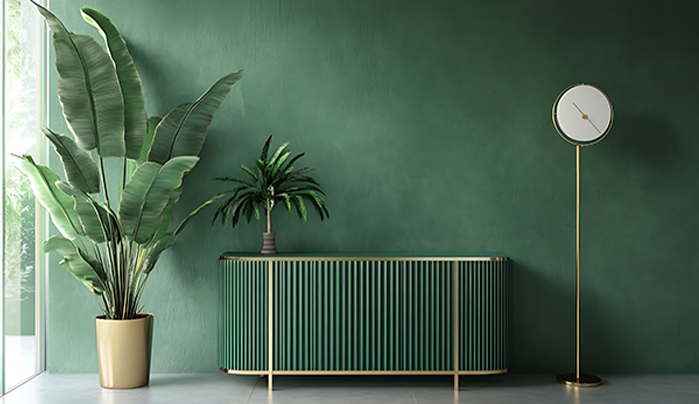
Louvers with solids
Nothing competes with the shadow play of the grooves. This is the right call when the louver surface is clearly the design centrepiece, one strong statement against a quiet, clean backdrop. Works particularly well in minimalist interiors where restraint is the brief.
Louvers with stones.
Stone designs carry their own depth and character, so combining them with louver lines creates a surface with real visual weight. This combination is best kept to smaller accent surfaces or single feature pieces rather than large applications, it's a lot, and that's the point when used deliberately. The consistent principle: let the louver surface be the decision, and build around it rather than alongside it.
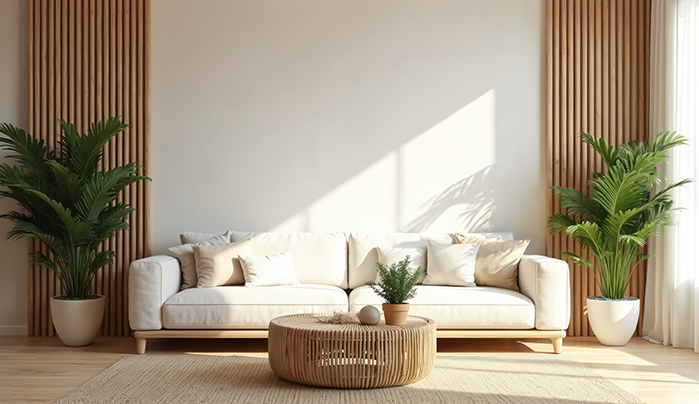
Louver Trendz doesn't exist in isolation in the LookBook 2026–27. It sits within a broader shift in how surfaces are being chosen and used.
The overall theme of the LookBook The Trendz Edit 2026–27 positions CenturyLaminates as a guide to where design is actually headed, not just a catalogue of what's available. And what's heading in the same direction as louvers is a preference for surfaces with depth, texture, and tactility over surfaces that are purely decorative.
Veneer Trendz, with the Synchro Series and new Willow Wood finish, is part of the same conversation surfaces that feel real, that have grain and texture you can touch, not just see. Zero Matt, with its light-absorbing matte finish, is about surfaces that are deliberately unshowy. Louvers bring architectural structure to the mix of surfaces that are geometric and considered.
Together, these directions define an interior philosophy for 2026 that is layered, restrained, and intentional. Louvers are one of the most direct expressions of that.
Louver Blinds have deep, pronounced grooves for a bold, dramatic effect, while Louver Curtains have more refined, elevated lines, the same architectural quality but quieter and more understated.
Yes, CenturyLaminates meet IS:2046-1995 standards for scratch, stain, and impact resistance, making them well-suited to kitchen shutter applications where surfaces take daily wear.
They actually work very well in smaller spaces on specific surfaces. A louver finish on a single wardrobe or TV unit adds depth without making the room feel busy, which is harder to achieve with busier patterns.
A damp cloth handles everyday cleaning; for tougher marks, use a soft brush with mild detergent, and avoid abrasive pads that could catch on the grooves.
The complete range with design codes and curated pairings is in the CenturyLaminates LookBook 2026–27, with detailed combination guidance in the standalone Combinations Booklet.
Loading categories...


