
Consumer
As technology is becoming more advanced, design is evolving along with it. In 2026, interior design is moving towards an approach that is both layered and thoughtful. In this approach, surfaces do far more than simply cover walls, furniture, or floors. There are several other tools for storytelling, mood creation, and functional comfort. They include colours, textures, and patterns. For that, many choose materials that have characteristics like:
Surface materials such as laminates and engineered boards play a major role in shaping contemporary interiors.
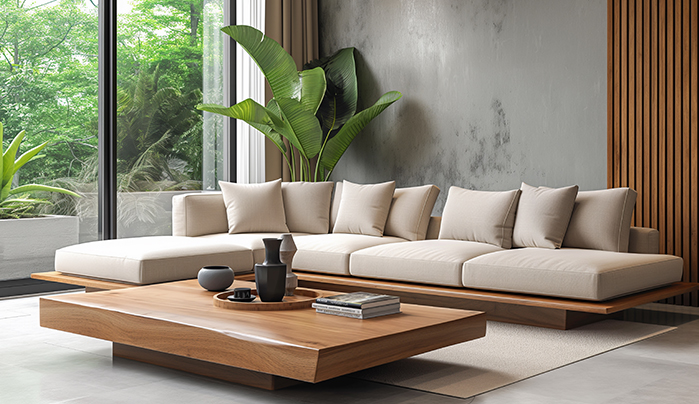
In 2026, surface design trends reflect a growing desire for balance between visual richness and restraint, innovation and familiarity. With this evolution and the multi-purpose use of homes as workplaces, for social interactions, etc., surfaces must adapt accordingly. There is a significant shift from glossy finishes towards materials that are more natural. This is also driven by advancements in surface technology, where materials replicate the beauty of natural elements and offer superior performance.
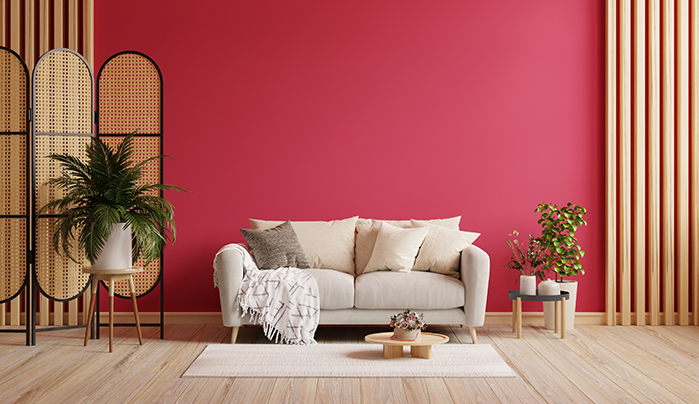
In 2026, colour is grounded and emotionally reassuring. There is a dominance of neutral tones with a softer and more organic character. Certain shades like warm beige, sand, and clay are preferred over stark whites. This is because they create welcoming and timeless interiors. These colours work well for furniture and wall surfaces as well. Moreover, they make spaces more cohesive. They prevent materials from looking flat as well.
Additionally, colours such as deep greens and olive tones are also making a strong impact. They bring a sense of tranquillity and connection with the outdoors. Muted blues, particularly those with grey tones, offer calmness and sophistication without overwhelming the space.
Texture is also a very important aspect of design. If colour sets the mood, texture defines the experience. In the current era, tactile finishes are given more importance. This is because tactile finishes bring touch and interaction. Smooth surfaces are the main reason textures are able to add visual depth. Another texture that is widely used is the woodgrain texture. It closely matches the imperfections of real timber. Then come matte and low-sheen finishes. These types of textures reduce glare and provide more refined aesthetics.
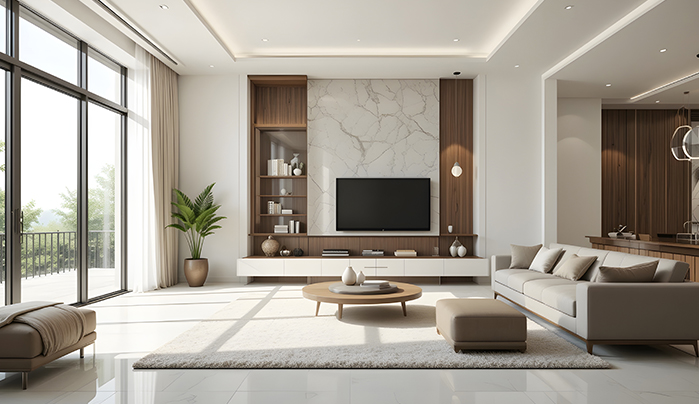
Patterns are also an important tool in design. Instead of dominating the entire space, a pattern creates visual rhythm by creating focal points. Minimal geometric patterns for linear design and subtle abstract motifs are popular because they create a sense of calm. Marble-inspired patterns are also widely appreciated for their elegance. They are versatile, and if they are combined with laminates, they provide the luxurious appearance of stone without any maintenance challenges.
CenturyPly caters to the growing demands of interior design with laminates, plywood, MDF, and veneers.
CenturyLaminates are in line with the surface design trends of 2026, offering a wide range of colours, patterns, and textures that are suitable for modern as well as classic interior designs. With warm neutral shades, wood grain patterns, and matte finishes, CenturyLaminates enable designers to create visually appealing interiors that are durable and easy to maintain. These are mostly used in furniture, cabinets, wall panels, and wardrobes.
CenturyVeneers are also in demand for interior designs that focus on natural elements and craftsmanship. Veneers showcase the natural texture of wood, which adds a sense of warmth and depth to interior designs that focus on biophilic and natural design styles.
Apart from aesthetic appeal, the range is also driven by sustainability, durability, and longevity. People are more aware of the importance of selecting the right material that is not only long-lasting but also requires less maintenance. Contributing to responsible consumption is also an aspect that needs to be taken into consideration. The emphasis on quality and long-lasting solutions by CenturyPly ensures that the surface looks good and also performs well in the years to come.
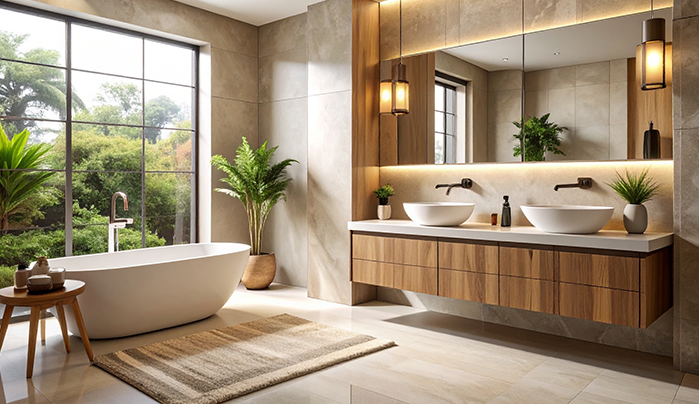
As we move into 2026, surface design is undergoing a profound shift from purely visual decoration to sensory experience, where spaces are designed to be felt and lived in rather than merely viewed. The defining ethos is "emotional durability"—a combination of biophilic warmth, organic imperfection, and high-tech sustainability that prioritises comfort and personal narrative over fleeting trends.
Warm neutrals, nature-inspired greens, and muted blues are expected to define interiors in 2026.
Textured surfaces add depth, visual interest, and a tactile quality that enhances the overall experience of a space.
Yes, when used selectively, subtle patterns can enhance small spaces without making them feel crowded.
Loading categories...


