
Consumer
Ever noticed how some homes look “finished” even before the furniture comes in? It is usually not one big design trick. It is the way the surfaces behave. A flat wall can look plain after a point. A large façade can feel too empty. Even a beautiful room can look slightly unfinished if every surface is smooth and silent. That is often where louvers make the difference.
They add lines, shadows and a sense of movement to plain surfaces. A blank wall starts looking layered. A large panel feels less empty. A façade gets rhythm without looking too busy. And that is why louvers have become so common in contemporary architecture.
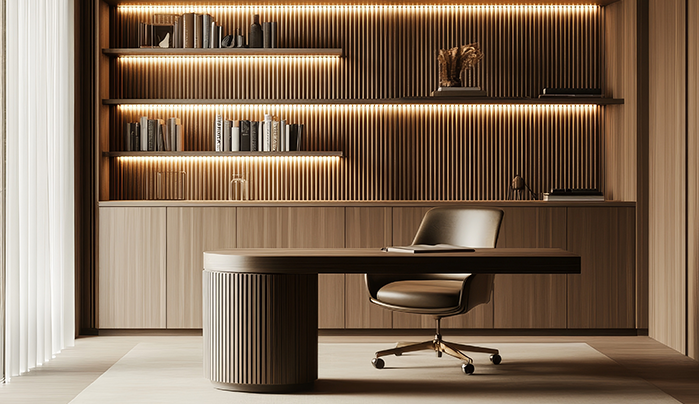
Louvers are basically a series of slim slats placed in a pattern. Earlier, they were used mainly for airflow, shade and privacy. Now, they have become a strong design detail in modern interiors and architecture.
You see them on feature surfaces, TV unit backdrops, wardrobes, entrance areas and building façades because they instantly add depth to a plain space. A flat wall can look dull, but once louvers are added, it gets lines, shadow and texture.
That is the reason designers like them. Louvers do not make a room look overdecorated. They keep the look clean, but still give the space a premium and architectural feel. Depending on the spacing, direction and finish, they can make a surface look taller, warmer, sharper or more refined.
A flat surface ends quickly. Your eye looks at it once and moves away. A louvered surface holds attention for longer because the lines create a steady visual flow.
Vertical louvers can make a space feel taller and more elegant. Horizontal louvers can make a surface feel wider and more relaxed. Closely spaced louvers create a richer texture, while wider spacing gives a lighter, more open feel.
This is why louvers work so well in modern homes, offices, hotels and commercial spaces. They give plain surfaces a clear design language without needing loud colours or heavy ornamentation.
The best part? Louvers can look bold or subtle depending on how they are used. A darker finish can create drama. A lighter finish can keep the look soft. A wood-like finish can add warmth. A clean, solid shade can make the design feel sharp and minimal.
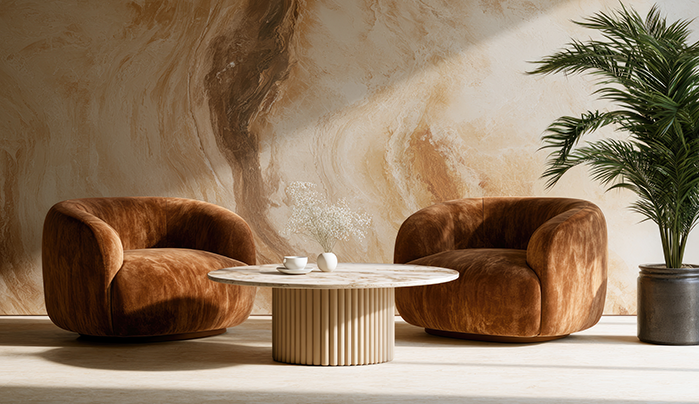
Some walls feel unfinished, but adding more décor only makes them look crowded. Louvers solve this problem in a cleaner way. Their slim, repeated slats bring depth to a surface without filling it with too many elements. The lines create gentle shadows. The gaps add breathing space. The finish brings warmth or sharpness, depending on the look you choose.
A plain TV backdrop, entrance panel or wardrobe shutter can look flat if the surface is completely smooth. With louvers, the same area gets rhythm and detail, but the design still stays controlled.
Different louver styles create different effects:
Louvers do more than decorate a surface. Their angled slats help a space breathe, filter light and create privacy without making the area feel shut off. This is useful in Indian homes, especially where heat, glare and privacy all need to be managed together. A completely closed surface may block air and light. A fully open surface may feel too exposed. Louvres keep the balance.
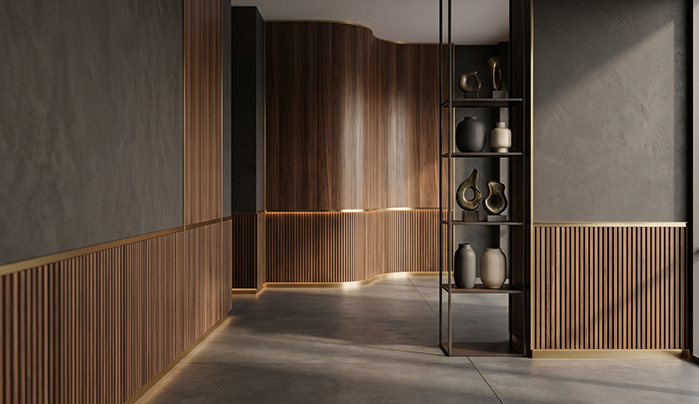
They help by:
Once the design direction is clear, the material choice becomes easier. Louvers are meant to add rhythm and texture, but they also need to stay practical for everyday use. That is where CenturyPly’s WPC louvers fit well into modern interiors and exterior designs.
For indoor spaces, CenturyPly louvers can help:
Their clean lines give the space a sharper, more contemporary look. The surface does not feel flat anymore, but it also does not look overdone.
For exterior use, the choice becomes more serious because the material has to face:
CenturyPly exterior louvers are designed for such exposed areas. Their natural grain-like finishes help façades look warmer, sharper and more architectural.
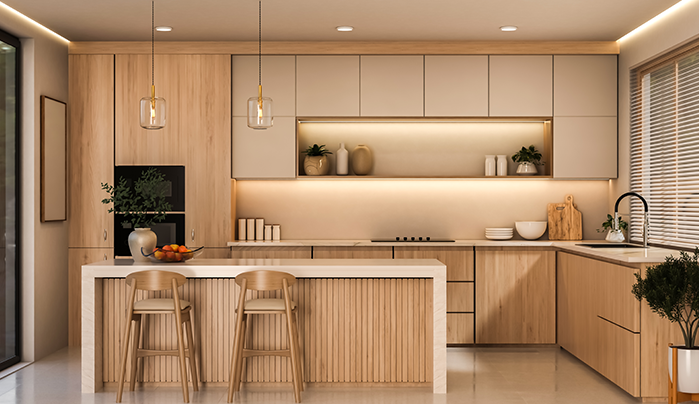
This makes CenturyPly louvers useful for:
Instead of leaving a surface plain, CenturyPly louvers add line, shadow and depth in a way that feels neat, controlled and premium.
Louvers add rhythm because their repeated lines guide the eye. They add texture because their slats create depth and shadow. They add character because they make plain surfaces feel designed, not ignored.
That is why they work so well in contemporary architecture. They are clean, structured and expressive without being loud. Used thoughtfully, they can make interiors warmer, façades sharper and everyday spaces more visually balanced.
With CenturyPly louvers, you can bring this mix of rhythm, texture and performance into modern Indian spaces while choosing from options designed for both interior and exterior applications.
Louvers add depth, rhythm and texture without making a space look too heavy. They are useful when you want a clean but interesting design detail.
No. Apart from adding style, louvers can also help with airflow, light control and partial privacy, depending on their placement and spacing.
CenturyPly offers interior and exterior louver options. They can be used to add texture, depth and a modern architectural finish to suitable walls, façades and selected design surfaces.
Loading categories...


