
Consumer
When you walk into a well-built home, you notice the paint, the furniture, the flooring. What you don't see is what keeps that home standing strong for decades. The real strength of any Indian home lives behind walls, beneath surfaces, and inside the materials no one thinks twice about until something goes wrong. At CenturyPly, we build for what's hidden.
Think of a home in two parts:
The first is the skeleton, the concrete, the TMT bars, and the foundation. Reinforced Cement Concrete (RCC) gives the structure its muscle. Thermo-Mechanically Treated (TMT) bars give it tensile strength, helping it hold up against seismic stress and environmental pressure.
This is the part engineers focus on.
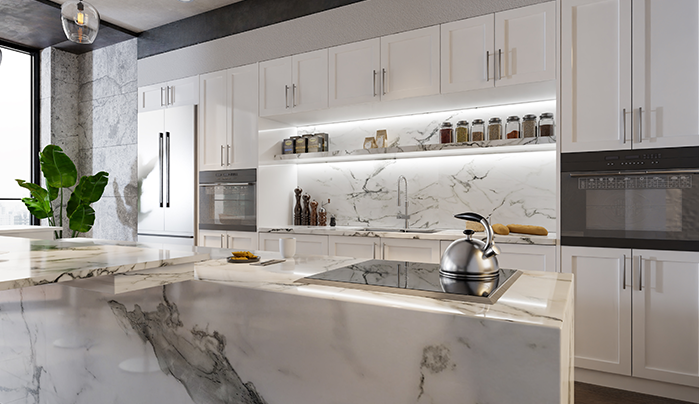
The second layer is just as important but far less discussed than the internal core. This is everything inside the walls: the kitchen cabinets, wardrobes, storage units, and so on. This layer is almost entirely built from plywood. And the quality of that plywood decides how well the home holds up over time.
A structurally sound building can still deteriorate from the inside if the internal materials aren't up to the mark. Moisture, pests, and fire, none of these announces itself. They work quietly, over the years, until the damage is visible. By then, it's expensive to fix.
India's climate is not gentle on building materials. Humidity in coastal cities, heat in the north, seasonal floods across large parts of the country, these aren't edge cases. They're everyday conditions that materials must be built to handle.
Moisture is the most common threat. Concrete is naturally porous, and without proper waterproofing, moisture seeps into walls and furniture alike. Plywood that isn't built to resist water will swell, warp, or delaminate, often within a few monsoon seasons. This is why the grade of plywood matters enormously. MR Grade (IS:303) works in dry areas like bedrooms. But in kitchens, bathrooms, or any area exposed to humidity, you need BWP Boiling Water Proof Grade (IS:710). The IS:710 standard requires plywood to withstand 72 continuous hours of boiling without the layers separating. That's not just waterproof. That's proven, tested, and waterproof.
Termites and borers are the other silent threat. They hollow out wood from the inside, leaving no visible trace until the damage is severe. Surface sprays don't reach deep enough. The protection needs to be built into the material itself, layer by layer.
Fire is a risk in every home, but most furniture materials offer no resistance to it. Plywood that ignites quickly spreads flame fast and produces dense smoke, the kind that causes suffocation before fire even reaches a person.
We've engineered our plywood to handle each of these threats specifically.
Glue Line Protection (GLP) is a chemical treatment applied to every single layer of our plywood, not just the surface. This makes the entire board 100% borer and termite-proof. The protection isn't a coating that wears off. It's part of the structure.
Firewall Technology uses nano-engineered particles embedded in the plywood to make it fire-retardant. It slows the spread of flame, significantly reduces smoke emission, and self-extinguishes once the fire source is removed. In a home fire situation, this difference in material behaviour can be the difference between containable damage and catastrophic loss.
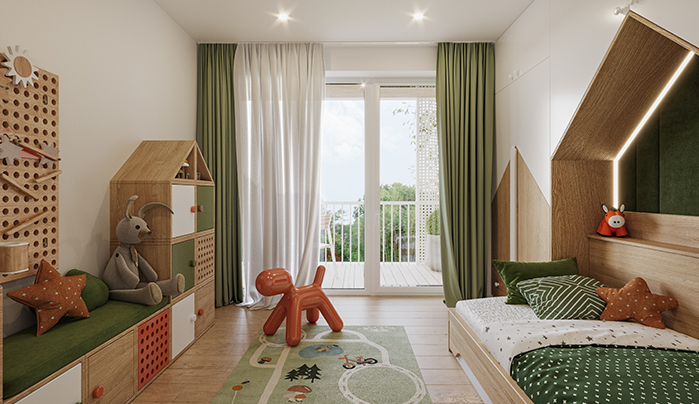
ViroKill Technology is a nanoparticle-based surface treatment that ruptures the cell walls of microorganisms on contact. It is certified to eliminate 99.99% of viruses, bacteria, and fungi. The protection is permanent and non-toxic, making it particularly relevant for kitchen surfaces and children's furniture. Surfaces don't just look clean, they are.
BWP Grade with undiluted phenol-formaldehyde resin ensures our plywood bonds hold even under extreme moisture conditions, meeting and exceeding IS:710 standards.
Not every space in a home needs the same level of protection. Here's how to think about it:
The right choice depends on the space, the climate, and the budget, but every option on this list meets BWP standards where it matters.
Here's something the industry doesn't talk about enough. A significant portion of plywood sold in India is counterfeit, branded packaging with inferior material inside. A homeowner paying for high-grade plywood has no way of knowing, from appearance alone, whether they've received the real thing.
We built the CenturyPromise App to solve this. Every sheet of CenturyPly carries a unique QR code. Scan it, and you can instantly verify authenticity and download your e-warranty certificate. The strength you pay for is the strength you get verifiably.
There's one more aspect of hidden strength worth knowing. Low-quality plywood can release formaldehyde, a volatile organic compound, into indoor air over time. This has real health implications, particularly in enclosed spaces.
Our plywood meets E1 emission standards, meaning formaldehyde levels are within safe international limits. The home's hidden materials shouldn't introduce hidden health risks. At CenturyPly, they don't.
A well-built Indian home isn't just one that looks good on the day it's completed. It's one that holds its integrity five, ten, thirty years later through monsoons, heat, daily use, and the biological pressures that come with India's climate.
The strength that lasts is the kind you never see. It's in the glue lines, the molecular treatment of the surface, and the grade of resin used in bonding. It's in the engineering decisions made before a single coat of paint goes on. That's what we build. And that's what every home deserves beneath the surface.
Loading categories...


