
Consumer
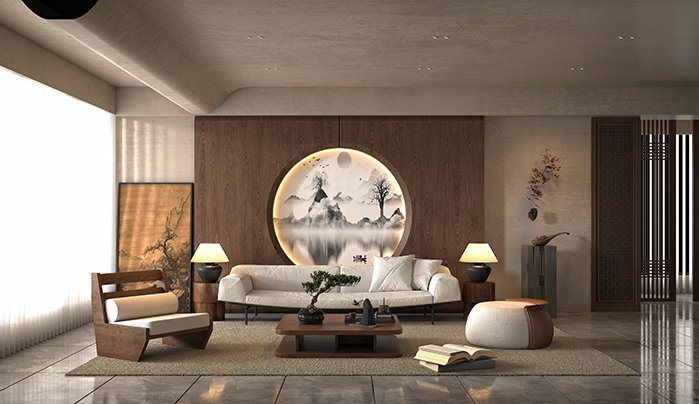
For the longest time, color has defined a room. The shade of the wall, the tint of the cabinet, these were the choices that set the whole aesthetic for any home. But today, there's a shift. There is more emphasis on surfaces and textures than just basic coloring. Texture is not just a background detail anymore. It is a highlighting element.
At CenturyPly, we've seen this shift firsthand. Our product line reflects exactly where interior design is heading in 2026 and onwards.
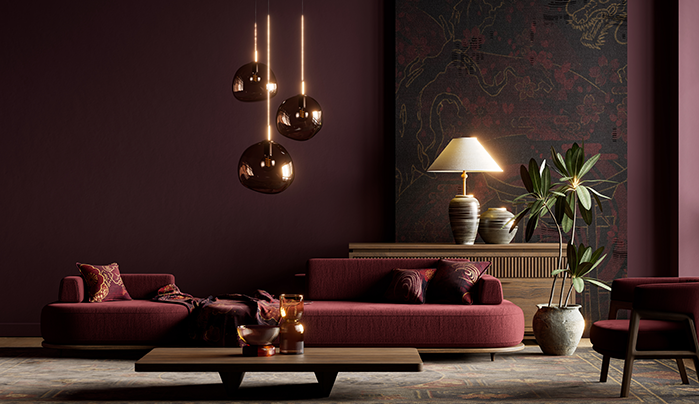
Colour gives a room its aesthetic, but texture gives it character. A standard grey room can look completely different based on the surface.
Here's what makes texture particularly a design tool: it responds to light dynamically.
- A grained surface catches and scatters light differently at different angles and times of day, creating a surface that feels alive.
- A concrete-finish panel that looks industrial in the afternoon softens under warm evening light.
- A woodgrain laminate shifts from bright to shadowed as sunlight moves across it. No repaint required.
Texture also solves problems that colour cannot. It can make a large space feel intimate, break the monotony of a long wall, add hierarchy to a flat furniture face, or signal quality in a way that a high-gloss painted finish never quite manages.
Not all textured surfaces are made the same way. There is a differentiation in the way it's made. One has visual linearity, the other focuses on remaining authentic. Here’s the clear differentiation between them:
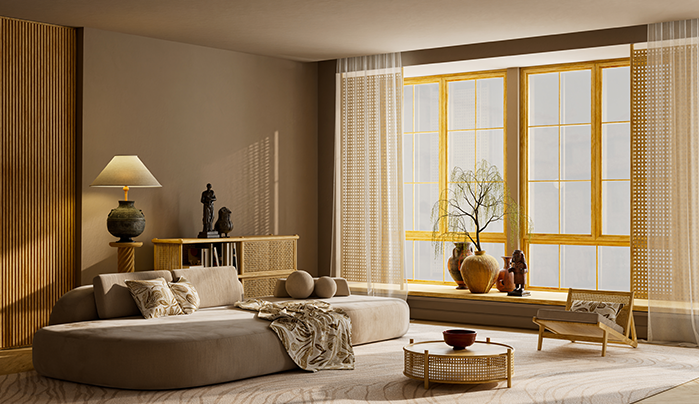
Here, heat and pressure are used to fuse the boards. A decorative sheet goes on top. To reinforce strength, several layers of kraft paper go underneath. This is where the durability comes from.
- The Kraft paper layer is soaked in phenolic resin.
- The decorative paper layer is put into the melamine resin.
Once dried, the layers are arranged so that the decorative sheet goes on top. The assembled sandwich is then run through a hydraulic press to lock it in place. This is how laminates are made. Since the design is artificial, they have the same patterns across boards.
The second approach is entirely different. Instead of making an artificial texture, the beauty of the existing product is modified. For example, real wood is sliced so thin that the natural grain of the timber becomes visible on the surface. Every ring, every knot, and every variation will be preserved and visible on this laminate exactly. These are veneers. Here, you will not find any two sheets with the same design.
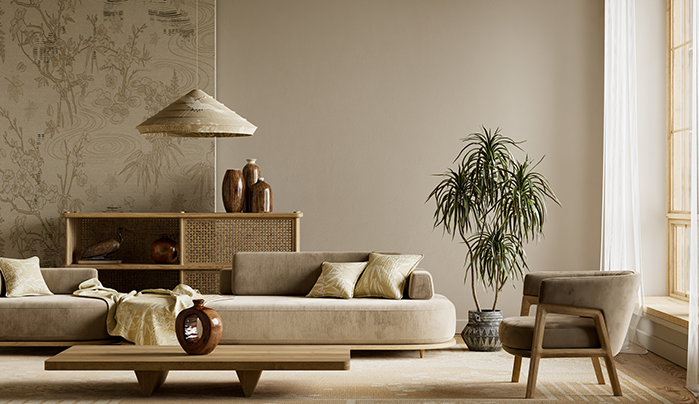
CenturyLaminates uses Special Resin Technology to create surfaces that go well beyond standard gloss or matte. The result is decorative sheets with physical depth, and patterns you can trace with your fingertips, not just see with your eyes. Here's a look at the key finish types and what makes each distinct:
- Fabric and suede finishes replicate the softness of linen or upholstery. It’s most popularly used in drawing rooms and bedroom wardrobes.
- Stone and concrete finishes, such as Laguna Terrazzo and Silver Caspio, bring an industrial edge to kitchen vanities and bathroom panels without requiring actual stone.
- The Anti-Fingerprint Plus finish needs a specific mention. It's not just a matte option, it's engineered using high-quality kraft paper compressed under extreme pressure, creating a non-porous, velvety surface.
With laminates, texture is engineered into the surface. With veneers, the texture is the surface, because you're working with real wood. CenturyVeneers come in three ranges, each with its own tactility:
NatzuraWoods sources timber from sustainable forests across Africa, Europe, Southeast Asia, and the Americas:
SenzuraStyles takes a different route. These are reconstituted veneers, real wood, dyed and compressed in precision dye moulds. The result is a texture that's consistent for a large installation. For commercial spaces or feature walls that need continuity, this is a significant advantage over natural timber, where no two sheets are ever identical.
ProgettoWood pushes further still. These are 4mm thick veneers with a poly-fibre wood grain and a factory-applied epoxy sealer. The sealer fills the deepest pores while leaving the primary grain tactile, making them ready to polish immediately after installation, ideal for doors and bookshelves where finish matters from day one.
Every CenturyVeneers product is built on a 100% Gurjan base, uses Hot Melt Thread Splicing and is Boiling Water Proof, making them viable even in moisture-prone areas like kitchens and bathrooms. They are also Borer and Termite Proof, with German Sanding Technology delivering ultra-smooth, ready-to-use surfaces.
Textured surfaces have more surface area than flat ones. This means more grip for dust, fingerprints, and microbes. We've addressed this directly through integrated technology, not as an afterthought.
ViroKill Technology uses Silver Nano-Technology. Here, energised nanoparticles are embedded within the texture layers to rupture the cell walls of 99.99% of viruses and bacteria on contact. This is best used on light-touch textured surfaces in kitchens, children's rooms, and shared spaces.
Firewall Technology is built into select products to prevent the rapid spread of flames. It's important to clarify: Firewall is a technology, not a product category.
Abrasion resistance rounds out the package. Surfaces are treated to withstand temperatures up to 180°C and resist scuffing, so the texture you choose on day one stays intact over years of use.
Yes. In laminates, texture is made through pressure, resin chemistry, and patterned paper. In veneers, the texture comes directly from how the wood itself is sliced. One is engineered; the other is natural.
Yes. CenturyVeneers have BWR (Boiling Water Proof) quality, which means they resist swelling, splitting, and delamination even in humid or moisture-heavy environments.
A standard matte finish reduces glare. AFP goes further; it creates a non-porous surface that actively repels skin oils, which means dark or deeply coloured panels stay smudge-free without frequent wiping.
Absolutely. Finishes such as Crasse, Silk Tuff, and Stone-Edge work well on vertical applications. In fact, vertical surfaces often benefit most from texture. They're at eye and hand level, so the tactile quality is immediately noticeable.
ViroKill uses Silver Nano-Technology to eliminate 99.99% of microbes on contact. It is available across select CenturyLaminates products, particularly recommended for high-touch surfaces in kitchens, workspaces, and areas used by children.
Loading categories...


