
Consumer
It usually starts with something small. A plug overheats. A candle tips over. A forgotten pan sits on the stove a little too long. No one plans for these moments, yet they happen in ordinary homes every day. As homes become more compact and packed with appliances, the risk quietly grows in the background. In 2026, fire safety can no longer be treated as an afterthought or a box to tick after design is done. It needs to be part of the design itself.
The materials you choose for cabinets, partitions, and furniture play a role in how quickly a fire spreads and how much time you have to react. This is where fire-safe surfaces step in. In this blog, we look at why fire safety is becoming a core design choice for modern homes and how smarter material choices, like CenturyPly’s Firewall Technology, support safer living without changing how your home looks.

Fire safety was once considered just a compliance requirement, but in modern homes, it has become a key design priority. Homes today are filled with appliances, charging points, and compact layouts. This increases the pressure on materials.
Design now needs to think beyond looks. It needs to think about how materials behave in emergencies. Fire-safe materials help by:
Designing with safety in mind does not change how your home looks. It changes how your home protects you when something goes wrong.
Homes in 2026 look different from older homes. They are smarter, more compact, and more connected. This also means more electrical load and more heat sources. Common fire risk areas include:
These areas require materials that do not catch fire easily and help prevent the rapid spread of flames across surfaces.
Fire-resistant materials are designed to slow down the spread of fire. They are not fireproof. The goal is to reduce how quickly flames move across a surface and to help control damage. A fire-resistant material:
Fire-safe materials do not remove risk completely. They reduce how fast a situation becomes dangerous.
Firewall Technology by CenturyPly is designed to support safer interiors. It uses special fire-retardant particles built into the plywood during manufacturing. These particles help control how the plywood behaves when exposed to fire. How Firewall Technology works in simple terms:
Firewall Technology does not change how the plywood looks or feels. It quietly adds a safety layer to furniture and interiors.
Some areas in the home face higher fire risk. These spaces benefit the most from fire-retardant materials. High-risk areas where Firewall plywood helps:
Using fire-retardant plywood in these areas helps control how a fire behaves if an accident occurs.
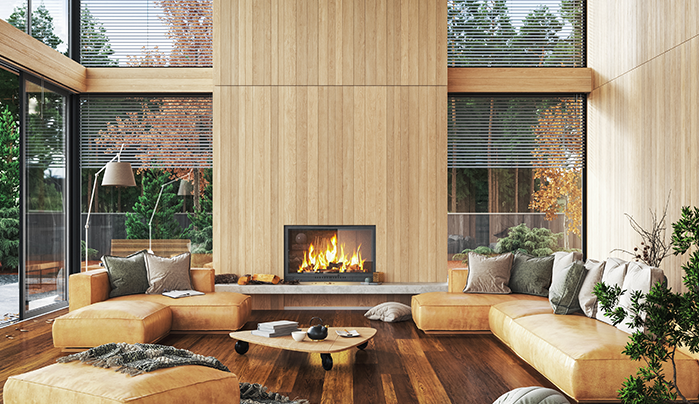
Firewall Technology works quietly in the background. You do not see it, but it plays a role when it matters most.
It supports everyday safety by:
This added time can make a real difference during emergencies.
Here is a simple comparison to show how Firewall Technology differs from regular plywood:
| Feature | Firewall Technology Plywood | Regular Plywood |
|---|---|---|
| Fire Spread | Slows down flame movement | Flames spread quickly |
| Burning Behavior | Stops burning when source of the fire is removed | Continues to burn |
| Smoke Release | Releases less smoke | Releases higher smoke |
| Safety Support | Adds time for response | No added safety |
| Best Used In | Kitchens, appliance areas, storage | Low-risk dry areas |
This difference becomes important in compact homes where fire can spread faster.
Fire-retardant plywood often supports more than one safety feature. In modern homes, materials need to handle multiple challenges. Many fire-retardant plywood variants also support:
These combined benefits make fire-safe surfaces part of a larger smart design approach, not just a single feature choice.
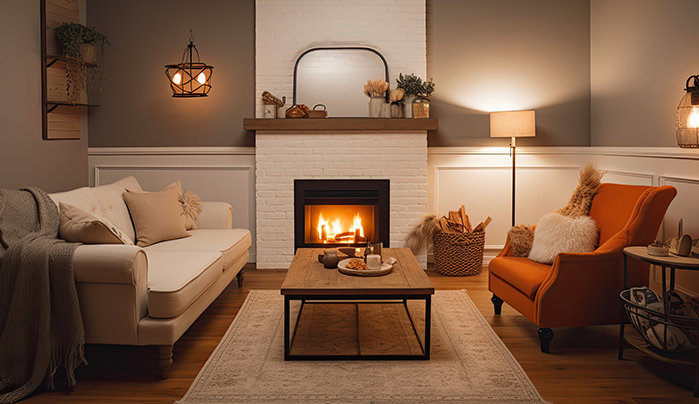
Fire safety works best when it is planned early. It should be part of material selection, not a last-minute add-on. Simple ways to include fire safety in design:
Designing for safety does not reduce style. It improves long-term comfort and peace of mind.
Fire safety is no longer just about alarms and extinguishers. In 2026 homes, it begins with the materials you build with. Fire-safe surfaces slow down damage, support safer response time, and reduce how quickly a small accident turns into a major problem. >When safety is built into design, homes become calmer places to live in. CenturyPly’s Firewall Technology fits naturally into modern interiors by adding protection without changing the look or feel of furniture. Choosing fire-safe materials early is not about fear. It is about planning wisely. A safer home is a better-designed home, and good design always thinks ahead.
No, Firewall Technology does not make plywood fireproof. It is designed to slow down the spread of fire and stop surface burning when the fire source is removed. The goal is to give extra time and control during emergencies, not to eliminate fire risk completely.
No, Firewall Technology is built into the plywood during manufacturing. It does not change the surface finish, texture, or appearance of furniture. Designers can use it without altering the look of interiors.
Yes, Firewall plywood can be used as the base material with laminates and veneers applied on top. This allows you to maintain your chosen design style while adding an extra layer of fire safety inside the furniture structure.
Firewall Technology does not reduce product life. CenturyPly offers long-term warranties on its premium plywood products. Warranty details and product information can be easily accessed through the CenturyPromise app for added convenience and support.
Loading categories...


