
Consumer
You put in the effort. You wipe down surfaces. You clean up spills. You try to keep your home neat. Yet some areas never quite feel fresh. The kitchen cabinet near the stove always feels greasy. The wardrobe in the corner smells damp after the monsoon. The study table shows marks no matter how often you clean it. When effort does not match the outcome, the problem is rarely you. It is often the surface. Some materials hold moisture. Some attract stains. Some make hygiene harder to maintain between clean-ups. This is why surface hygiene matters in everyday living. Smart, hygienic surfaces reduce the work your home demands from you. They make cleaning easier and help spaces stay fresh for longer. In this blog, we unpack why surface hygiene deserves attention, how antibacterial surfaces play a role in daily life, and how CenturyPly designs materials that support cleaner, more comfortable homes.
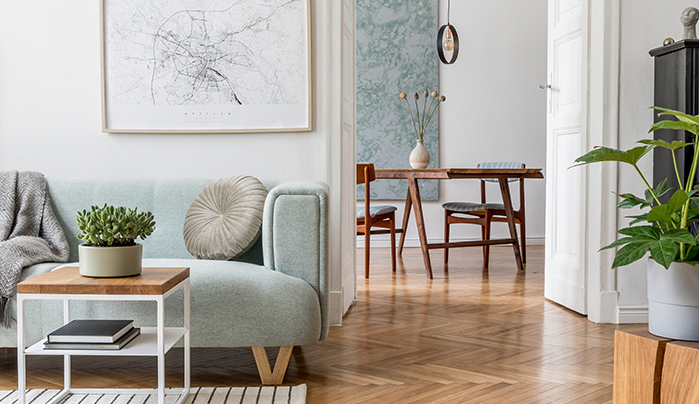
Surface hygiene is about how clean and safe your everyday surfaces remain between cleaning cycles. It is not only about wiping dust or removing stains. It is about how materials react to moisture, touch, heat, and daily contact.
A hygienic surface:
Surface hygiene is built into the material itself. Some materials naturally support cleaner living. Others make hygiene harder to maintain. In simple terms, surface hygiene means:
Homes today see constant movement. People work from home. Kids study at home. Meals happen at odd hours. Friends drop in. Pets roam freely. All of this increases contact with surfaces. This constant use leads to:
Surface hygiene matters because germs spread through contact. Even with regular cleaning, surfaces can collect bacteria between clean-ups. Hygienic materials help reduce this build-up over time.
Everyday areas that face high contact:
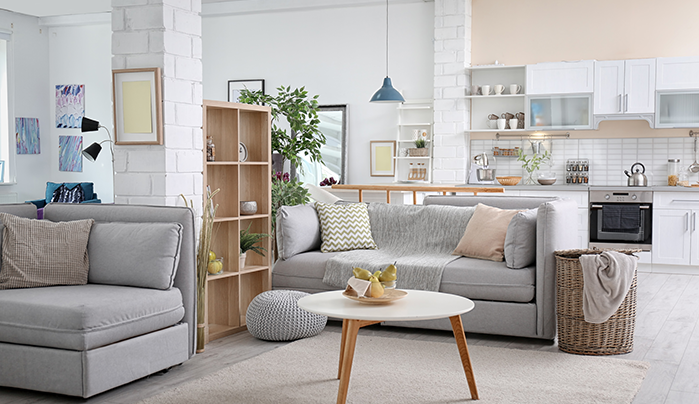
Choosing the right surface material reduces stress and maintenance in the long run.
Antibacterial surfaces are made using materials or treatments that slow down the growth of bacteria and microbes on the surface. They do not replace cleaning. They support it. These surfaces help create cleaner environments by making it harder for germs to survive or multiply. What antibacterial surfaces do:
What they do not do:
Antibacterial surfaces work quietly in the background. You may not notice them daily, but over time, they support a healthier home environment.
Hygienic surfaces fit naturally into daily routines. They do not change how you use your home. They simply make everyday living easier. They support daily life by:
Practical benefits in everyday use:
These small improvements add up over time.
Some parts of the home need hygienic surfaces more than others. These are areas where moisture, touch, and use are constant.
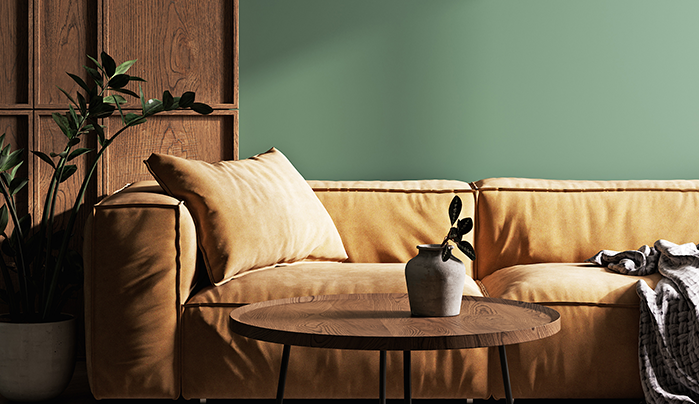
High-impact areas for hygienic materials:
Why these areas matter:
Choosing hygienic materials here creates a noticeable difference in comfort and cleanliness.
CenturyPly designs materials that support everyday hygiene while maintaining strength and finish. The focus is not only on looks. It is based on long-term performance in real homes. CenturyPly surfaces are designed to:
What this means for homes:
This approach makes CenturyPly suitable for busy homes that need reliable materials.
Club Prime by CenturyPly supports hygienic living through built-in surface protection. It is designed for spaces where durability and cleanliness matter.
ViroKill Technology helps reduce microbes on the surface. This supports cleaner living, especially in high-touch areas.
How Club Prime supports surface hygiene:
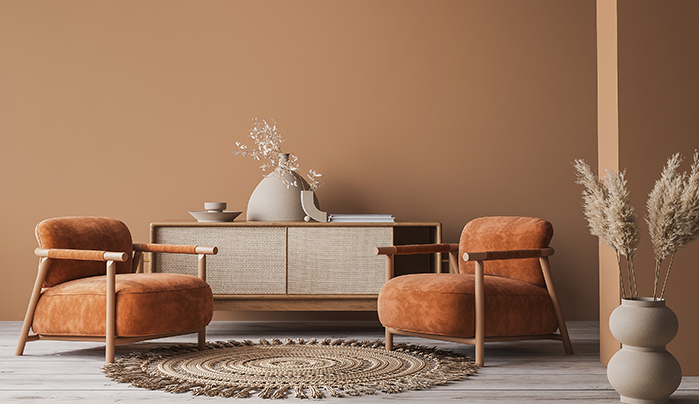
Why this matters in everyday living:
Club Prime fits into smart interior design where hygiene and durability go hand in hand.
Surface hygiene is not limited to plywood alone. CenturyPly offers other surface solutions that support cleaner interiors.
Hygienic surface options include:
Each surface type plays a role in interior hygiene when chosen correctly.
Choosing the right surface for each area helps maintain hygiene across the home.
| Surface Type | Best Used For | Hygiene Benefit |
|---|---|---|
| Plywood | Cabinets, furniture structure | Provides a durable and stable base, reducing wear and damage over time |
| Laminates | Tabletops, shutters | Easy to clean and maintain, supporting everyday hygiene |
| Veneers | Furniture surfaces | Offers a smooth finished surface that is easy to maintain |
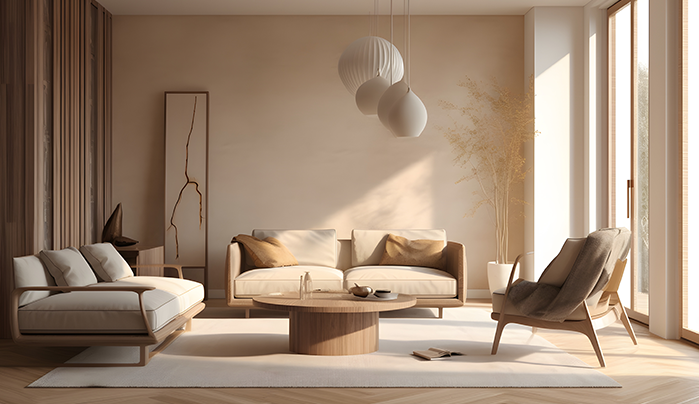
Interior choices are often made for how they look in the first few months. But homes are lived in for years. The true test of any surface is how it performs after daily use, spills, humidity, and constant touch. Hygienic materials help interiors age with less visible wear and fewer hygiene worries. Over time, this makes a real difference in how comfortable a space feels. You spend less time fixing small issues and more time living comfortably. When materials support cleaner living without asking for extra effort, everyday routines feel simpler. Good surface choices do not just improve how a home looks today. They shape how easy it is to live tomorrow.
You can scan the QR code on the product using the CenturyPromise app. This helps verify authenticity and gives you access to warranty details. It is a simple way to make sure you are using genuine CenturyPly materials in your home.
Yes, Club Prime comes with a 30-year warranty from CenturyPly. You can download the e-warranty through the CenturyPromise app, making it easy to access product details and keep track of your warranty coverage.
Yes, CenturyPly laminates and veneers are designed for easy maintenance and everyday use. When paired with the right plywood base, they support cleaner and more durable interior surfaces.
No, hygienic surfaces support cleanliness but do not replace regular cleaning. They help reduce surface build-up between cleaning routines and make maintenance easier over time.
Loading categories...


