
Consumer
Six months. That's often all it takes for the wrong bathroom door to start swelling at the bottom. Steam every morning, splashes, humidity that never really goes away, the slamming—none of it is kind to a door that wasn't built for wet rooms. So, which material actually survives all this? Let's get into the best materials for bathroom doors and where each one makes sense.
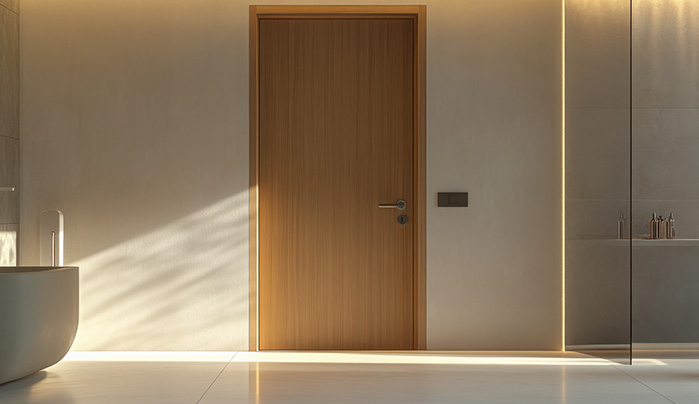
There are basically a few popular options people compare when they're hunting for the best materials for bathroom doors. Here is what each one is actually like once water gets involved.
Flush looks clean and lets light in, which is nice. Frosted or textured versions give you privacy without shutting out all the light. But on its own, it isn't the warmest or most private material out there. It usually works better when paired with a frame that can actually handle the moisture.
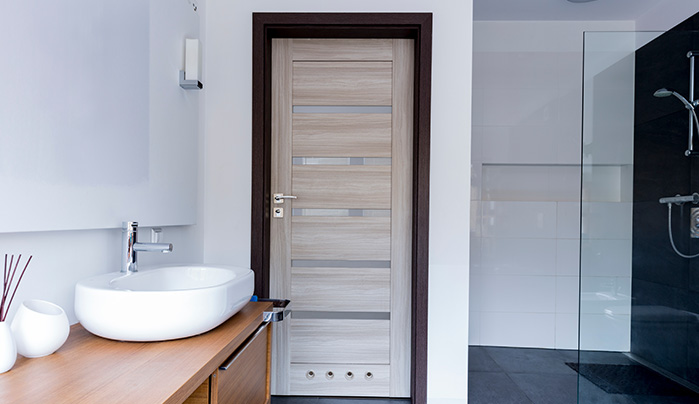
ABS stands for Acrylonitrile Butadiene Styrene, which is a mouthful, but the door itself is fairly simple: a tough plastic shell around a light core. Moisture doesn't bother it much, and it won't warp the way a wooden door eventually does. One catch: direct sun or long heat exposure isn't great for it, so think twice if your bathroom has a skylight.
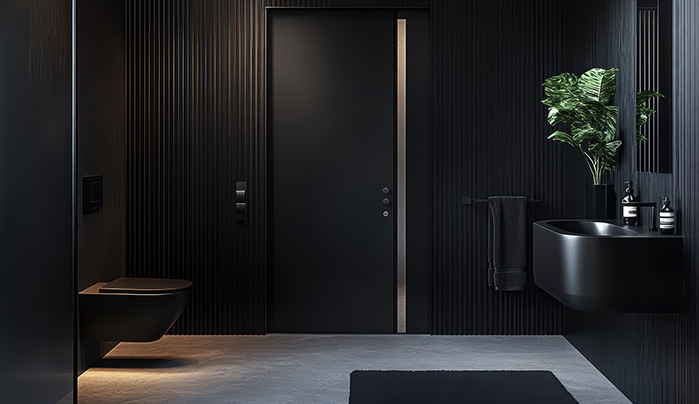
WPC means Wood Plastic Composite, and honestly, it's a bit of a best-of-both-worlds situation. Wood fibres mixed with plastic give you that warm, natural face on a door that copes fine with wet rooms. CenturyPly's WPC Select Door is Boiling Waterproof, Borer and termite-proof, fire retardant, and comes with a 25-year warranty. For a bathroom that sees steam every single day, that's a pretty solid case.
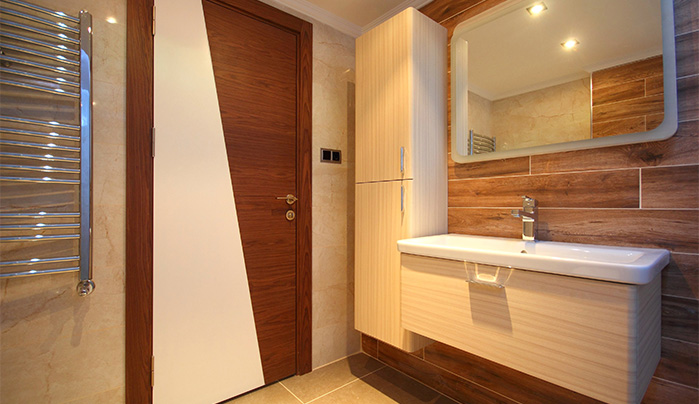
PVC is plastic, full stop, so there's nothing in it that can soak up water to begin with. CenturyPly's PVC Select Doors are made specifically for bathrooms and kitchens. Low maintenance, a smooth finish ready for paint or laminate, and it stays put even after years of daily steam.
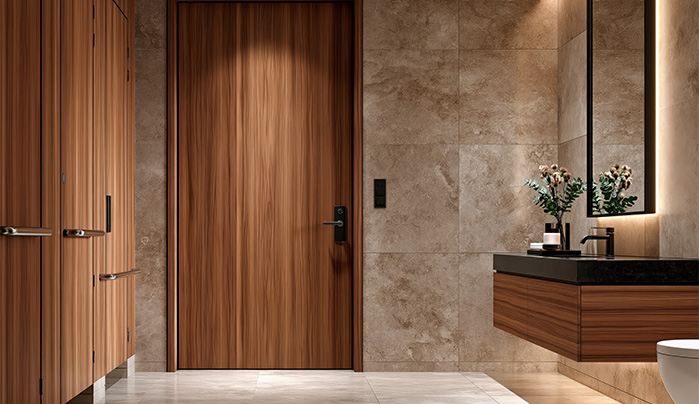
A quick table always makes it easier to compare the best materials for bathroom doors.
| Feature | Flush Doors | ABS Doors | WPC Doors | uPVC/PVC Doors |
|---|---|---|---|---|
| Water Resistance | Good to excellent (with BWP-grade core) | Good | Boiling Waterproof | Fully Waterproof |
| Borer/Termite Proof | Yes, in treated/BWP ranges | Yes | Yes | Yes |
| Look | Solid, opaque; laminate or veneer finish | Plain, modern | Wood-like finish | Sleek, uniform |
| Maintenance | Low, easy to wipe clean | Low | Low | Low |
| Best For | High-traffic bathrooms, everyday durability | Interior humid rooms | Bathrooms, decks | Bathrooms, kitchens |
| Warranty | Varies by brand. CenturyPly offers 30 years warranty on flush doors | Varies by brand | Up to 25 years | Long-term, brand-dependent |
A bathroom door has a lot to put up with, so before picking something based on colour and aesthetics, check the following factors:
This is the deal-breaker. A bathroom door has to shrug off water, not just put up with it. WPC and PVC doors from CenturyPly are Boiling Waterproof, so swelling and warping shouldn't even be on your worry list.
Nobody's got time to sand and repaint a door every couple of years. Be honest with yourself about how much upkeep you're actually willing to do. Plastic-based doors tend to win this round since a wipe-down is basically all they ask for.
A door that's cheap now but needs replacing in three years isn't really cheap. Look past the price tag on day one. Check the warranty, then work out what you're really paying per year of use.
Here's the thing about CenturyDoors: it doesn't just hand you a door and disappear. Its flush doors are built to handle daily wear without warping or sagging, holding strong through years of everyday use. Its WPC and PVC ranges are Boiling Waterproof and Borer and termite Proof, made for the kind of daily wear a bathroom door goes through without complaint. Then there's the Total Cover Warranty on its plywood ranges, which is a bigger deal than it sounds on paper. Instead of just swapping out a faulty product, it backs the promise with real accountability if a covered defect ever shows up. That's a big reason CenturyPly keeps landing on shortlists for the best materials for bathroom doors.
WPC and PVC doors are the safest bet for bathrooms. Fully waterproof, termite resistant, and they won't warp from daily moisture.
PVC, hands down. A quick wipe is all it needs, no repainting or repolishing ever.
Water resistance, termite and borer protection, how much upkeep it demands, and the warranty backing it.
Loading categories...


