
Consumer
Plywood warping can spoil an otherwise strong furniture project. The sheet may bend, twist, cup, or bow. This usually happens after uneven moisture exposure. Poor storage can also create stress. The good news is simple prevention works. The right plywood grade also makes a difference.
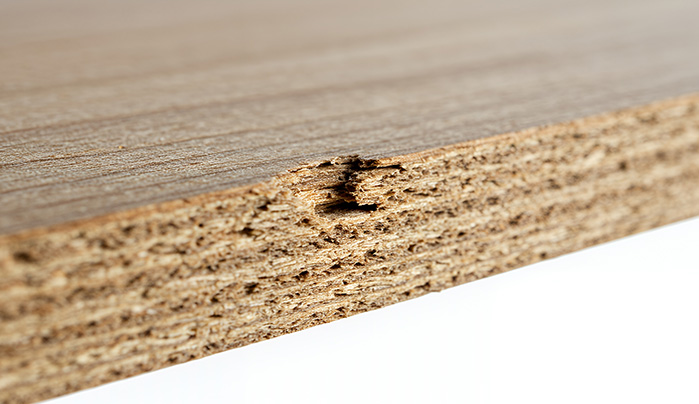
Warping can affect furniture alignment and finish. It may also create gaps between joints. In severe cases, repairs become difficult and costly. Understanding the causes helps prevent these issues early. Proper handling can keep plywood stable for longer. This guide explains the common causes of warping. It also covers practical ways to prevent it.
Plywood warping means losing the sheet’s original shape. One side may expand faster than another. This creates unwanted bends or curves. Warping can affect fit, alignment, and overall appearance.
Plywood uses several veneer layers together. Their grains usually run in different directions. This construction improves dimensional stability. However, plywood can still warp under poor conditions.
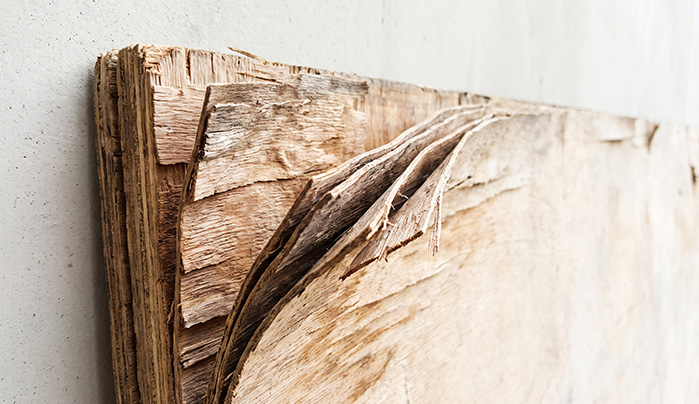
Moisture exposure is the biggest cause. Plywood absorbs moisture from surrounding air. Uneven absorption creates uneven expansion. This difference can bend the sheet.
Plywood can warp in several different ways. Identifying the shape helps explain the problem:
Different plywood grades handle moisture differently. Construction quality also affects dimensional stability:
To get a clearer picture of warping performance and plywoods’ suitable use, here is the comparison at a glance:
| Plywood Type | Warping Performance | Suitable Use |
|---|---|---|
| BWP Plywood | Strong moisture protection | Kitchens and wet areas |
| Marine Plywood | High water protection | Moisture-heavy furniture |
| MR Plywood | Handles moderate moisture | Dry indoor furniture |
| Calibrated Plywood | Consistent thickness | Precise furniture work |
Good handling begins before installation. Simple storage habits can prevent many problems:
Kitchens and bathrooms need extra care. Both areas experience moisture and temperature changes. Use suitable moisture-resistant plywood grades. BWP plywood is useful for wetter applications. Seal all exposed edges carefully.
Clean spills without unnecessary delay. Keep water from pooling around furniture. Use exhaust fans to reduce lingering moisture. Inspect exposed areas for swelling or separation.
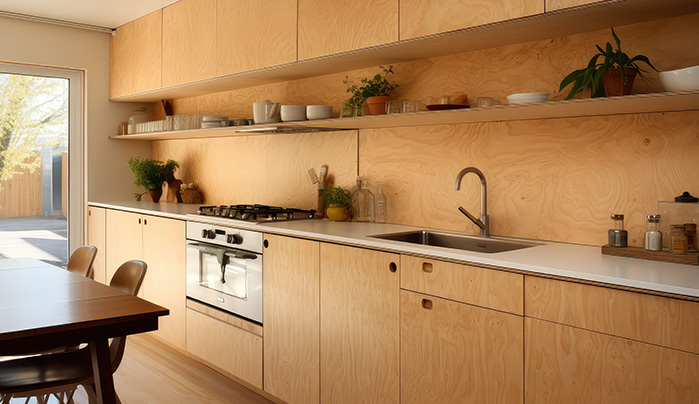
Plywood warping is usually preventable. Good storage makes an important difference. Proper finishing adds another layer of protection. The right plywood grade matters too.
CenturyPly offers plywood options for different requirements. Its range includes BWP and MR grades. Some options also provide enhanced bending resistance. Sainik 710, for example, highlights bend resistance. CenturyPly also offers Total Cover Warranty on its flagship products such as CenturyPly Club Prime. In essence, it means extended protection for your plywood for the first ten years after purchase. The brand covers all ancillary costs arising from manufacturing defects.
Always check current warranty terms before buying. Moreover, choose plywood based on actual usage. Do not compromise on quality for savings. Proper installation will protect your investment.
BWP plywood generally offers strong moisture protection. Calibrated plywood supports dimensional consistency. The right choice depends on your application.
Moisture causes plywood fibres to expand. Uneven exposure causes uneven expansion. This difference can bend or twist sheets.
Of course, Boiling Water Proof (BWP) plywood for moisture-prone areas. Seal all exposed edges after cutting. Keep kitchen and bathroom areas well ventilated. Wipe away water spills quickly. Avoid prolonged contact with standing water. Use even finishes on both plywood surfaces. These steps help reduce moisture absorption and warping.
Loading categories...


