
Consumer
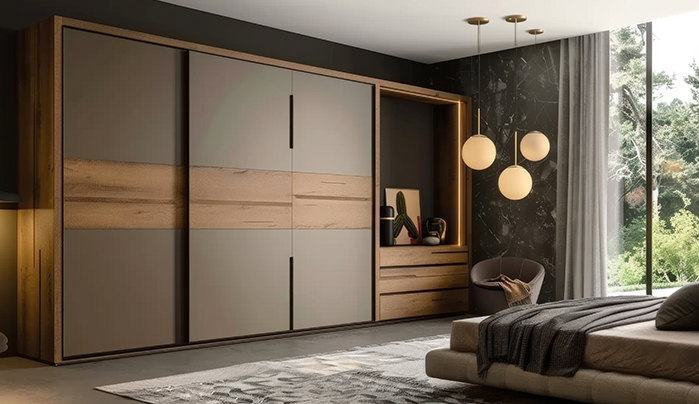
The best wardrobe door designs are not chosen only by colour. They are chosen by room size, daily use, dust, humidity, storage habits and, in many Indian homes, Vastu preferences too. A wardrobe placed along the south or west side of a bedroom may work better for Vastu planning, but its shutters still need the right finish, proportion and movement.
This guide keeps the pretty pictures aside for a minute and talks like a designer standing in front of a carpenter, measuring tape and a very real budget. That is where good wardrobe door designs begin.
Laminate shutters are the sensible starting point for most Indian bedrooms. They handle routine cleaning, come in a large range of colours, and don’t behave like a delicate museum piece. Cream, beige and light wood finishes make compact rooms feel calmer. Walnut, charcoal and deeper browns suit larger bedrooms where the wardrobe can carry visual weight. Pair CenturyLaminates on the outer surface with Sainik 710 as the shutter base when the client wants budget discipline and durability. It is a practical mechanical choice for daily-use wardrobes, especially in homes where one wardrobe serves two people and is opened twenty times a day.
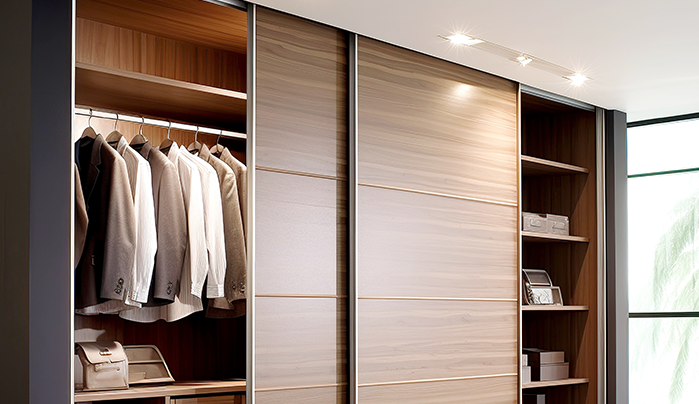
Matte shutters are for people who like quiet luxury, not showroom shine. They soften the room. They also hide minor fingerprints better than high-gloss surfaces. Ash grey, mushroom, olive, sand and warm taupe work beautifully in apartments where the bedroom already has curtains, cushions and a few visible things. Matte keeps the wardrobe from shouting over everything else.
Pro-tip: Do not use very dark matte on a narrow full-height wardrobe unless there is strong natural light. It can look like a block. Break it with a slim vertical strip in veneer, bronze mirror or a lighter laminate.
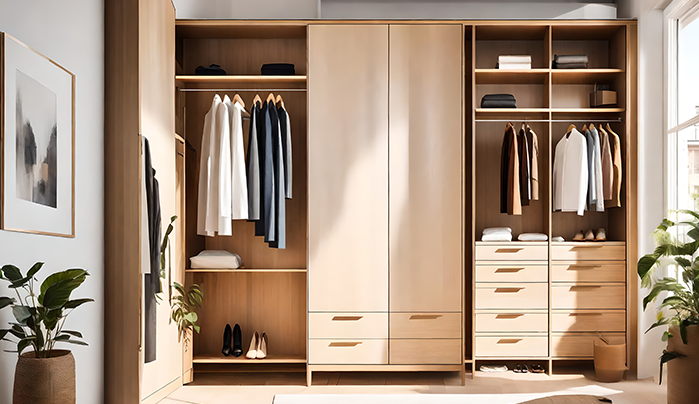
High-gloss wardrobe door designs are useful when a room needs light. A pale champagne or ivory gloss can brighten a dim bedroom without adding another mirror. The danger is overdoing it. Too much shine can look like a mall display. The fix is contrast. Use gloss on the central panels and matte laminate or veneer on the sides. Use high-gloss CenturyLaminates when the room is small, but the client still wants polish. Choose simple handles or a recessed profile. Gloss already brings visual movement; it does not need fussy hardware.
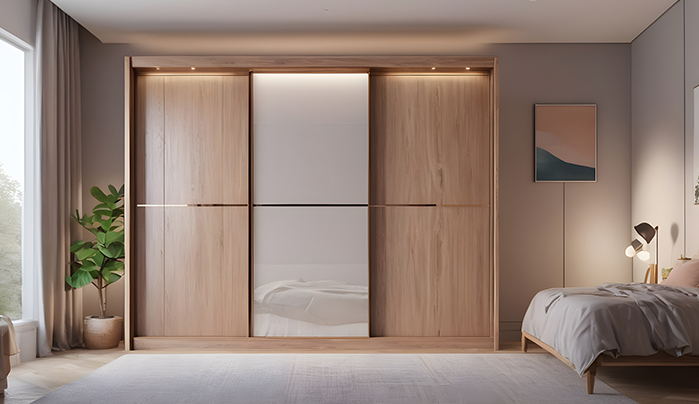
Veneers bring what laminates usually imitate: real grain, warmth and variation. It works well in master bedrooms, guest suites and homes where the mood is more tailored than trendy. A wardrobe in walnut, teak-like tones or smoked veneer can make a bedroom feel settled. Not old-fashioned. Just anchored. Use CenturyVeneers on visible shutter faces and a stable plywood base underneath. Veneer needs good polishing and careful execution, so reserve it for rooms where the wardrobe is a feature, not just storage.
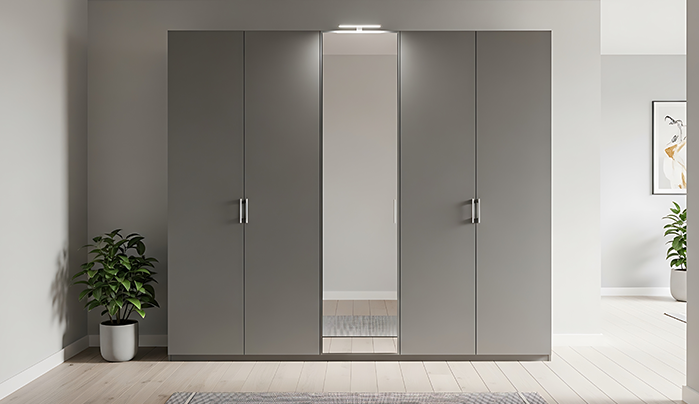
Mirror wardrobe door designs are old tricks because they work. A full-length mirror helps a compact room feel open and also saves you from buying a separate dressing mirror. But full mirror shutters show smudges. In homes with children, they also collect fingerprints at exactly the wrong height. A smarter version is one mirror shutter between two laminate shutters.
Pro-tip: For a softer look, use a bronze-tinted or smoked mirror. It reflects enough light without making the room feel like a trial room.
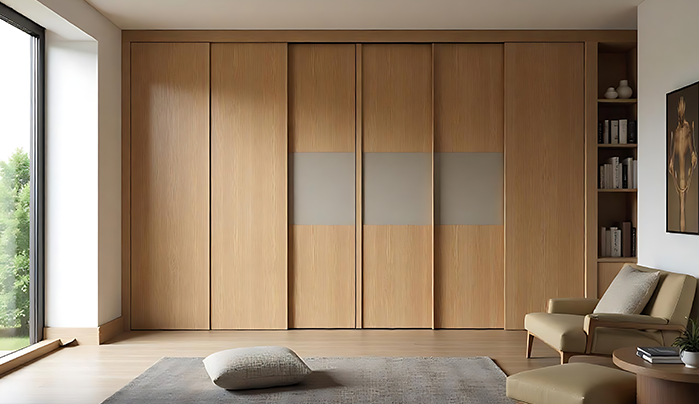
Sliding wardrobes are made for Indian bedrooms where space gets eaten by beds, side tables, study desks and that one chair holding half the laundry. Because the shutters move sideways, you do not need swing clearance. This is useful in apartments, rental homes and rooms where the bed sits close to the wardrobe. Spend money on the track system. A beautiful shutter on a rough sliding channel will annoy you every morning. For the shutter face, keep small rooms light with laminates, mirrors or soft veneer. Use Sainik 710 where a strong, practical plywood base is needed.
Fluted shutters add vertical rhythm. They make a plain wardrobe feel architectural without adding loud patterns. Use beige, oak, charcoal or walnut tones. Keep the grooves slim. Thick grooves gather more dust, and Indian homes already have enough dust to fight.
Pro-tip: Use fluting only on the central panels if the wardrobe is large. Full fluting across every shutter can become busy. A plain laminate border gives the eye a place to rest.
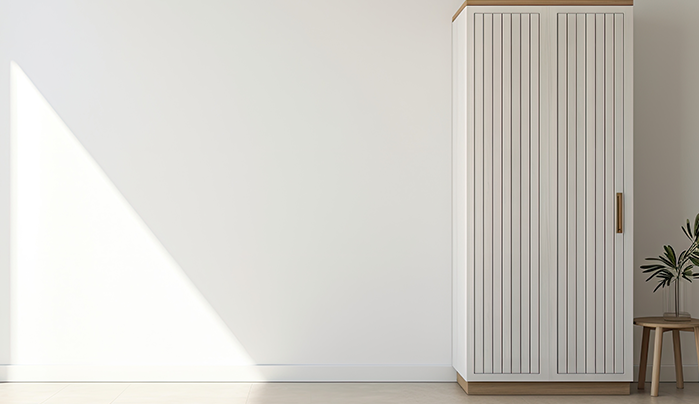
Louvered wardrobe door designs bring texture and lightness. They suit large wardrobes because the slatted detailing breaks the visual bulk. Modern louvres do not need to look rustic. Slim vertical slats in neutral colours can feel crisp and current. They work especially well in tropical or coastal homes where the design language is relaxed. Use louvres as an accent, not everywhere. A louvred central band with plain laminate shutters on both sides looks sharper than a full slatted wall of storage. CenturyPly louvre panels are made of evenly spaced slats that add depth and visual interest.
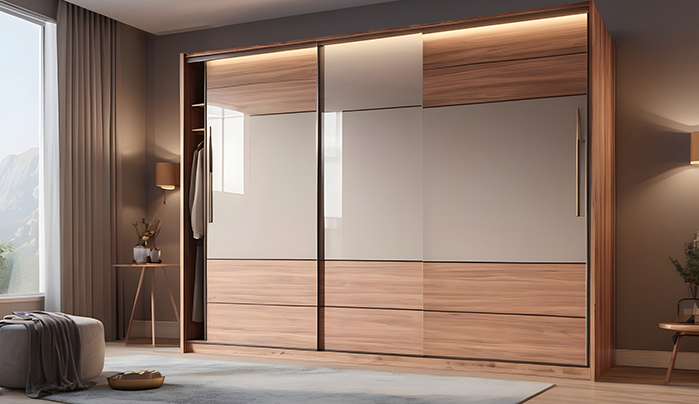
Two-tone wardrobes are a smart way to stop a large storage unit from looking like one giant block. The trick is to keep one colour calm and use the second colour as an accent.
Good combinations include:
The darker shade can be used on the lower panels, side shutters, or central strip. This gives structure without making the wardrobe too loud.
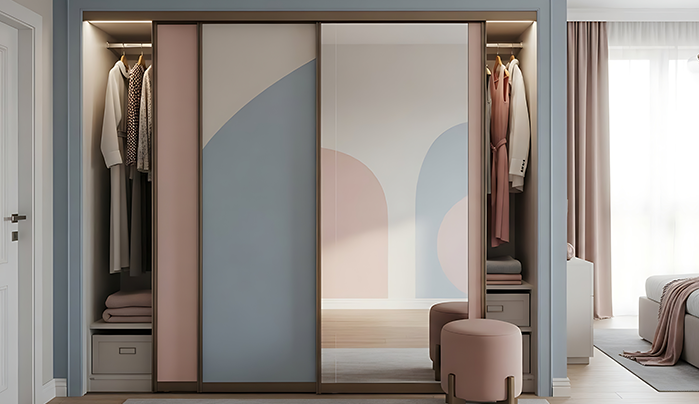
Handleless shutters look neat because nothing interrupts the surface. Push-to-open fittings, edge profiles or recessed grooves keep the design clean. This works well in compact bedrooms. No protruding handles. No extra metal lines. Less visual clutter. Handleless shutters need precise carpentry. If the gaps are uneven, the whole design looks cheap. Use a stable shutter base and insist on clean alignment during installation. The finish may be minimal, but the workmanship cannot be casual.
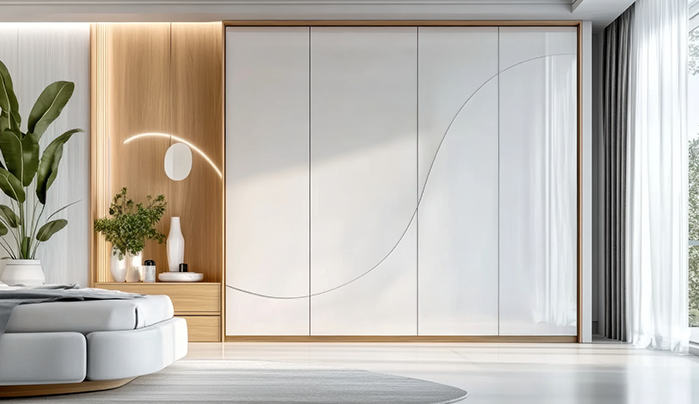
Glass-panel wardrobe door designs can make a bedroom look lighter and more premium. Clear glass is for people who keep every shirt folded and colour-coded. Most homes do not. Frosted, ribbed, fluted, smoked or tinted glass is safer. It gives lightness without exposing the entire wardrobe story.
Pro-tip: Use glass in the centre and laminate or veneer on the rest. It creates a boutique dressing feel without turning your storage into a public dressing room.
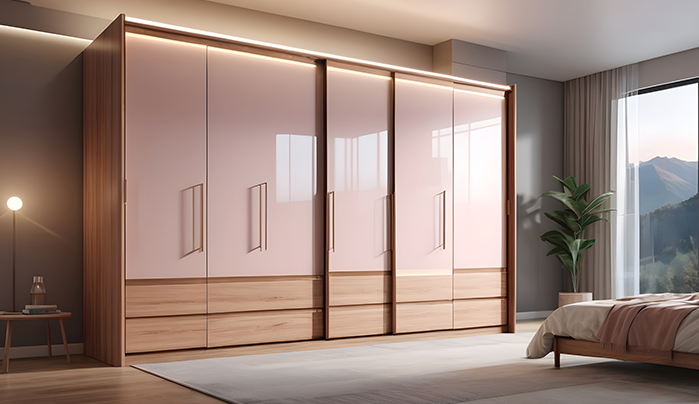
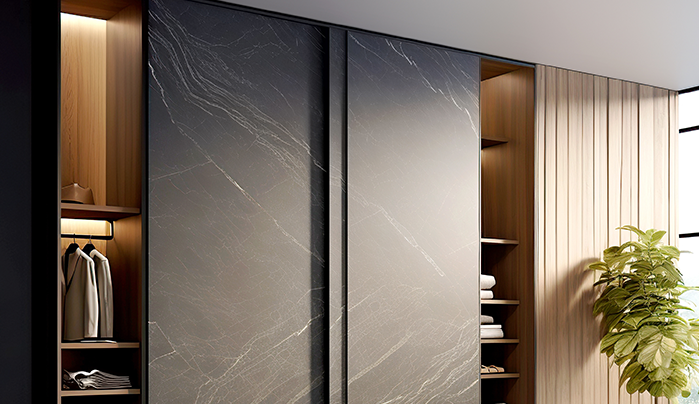
Plain laminate is clean. Textured laminate is designed. There's a real difference. When a room's furniture is fairly simple, a minimal bedframe, neutral walls, nothing too loud, the wardrobe becomes the perfect piece for one interesting surface. Textured laminates can mimic woodgrain, stone, and even leather. Done well, it looks architectural. CenturyLaminates offers decorative laminates across finishes and textures, including 1mm ranges for furniture and interior applications.
Pro-tip: you don't have to go all in. Texture the central panels only and keep the outer shutters plain. That balance often looks better than covering the entire wardrobe in one bold finish.
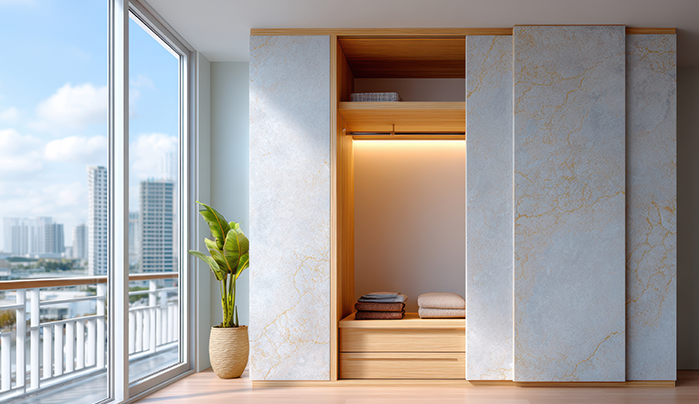
A wardrobe does not need to be shut from end to end. A small open shelf section can break the mass and make the unit feel lighter. Use the shelves for books, perfumes, a small plant, handbags or framed photos. Do not use them for random wires and shopping bags. Open shelves expose bad habits quickly.
Pro-tip: Keep the doors beside open shelving quiet. Matte laminate, light wood laminate or a subtle veneer works best. If the shelf is decorative, the shutter should not compete.
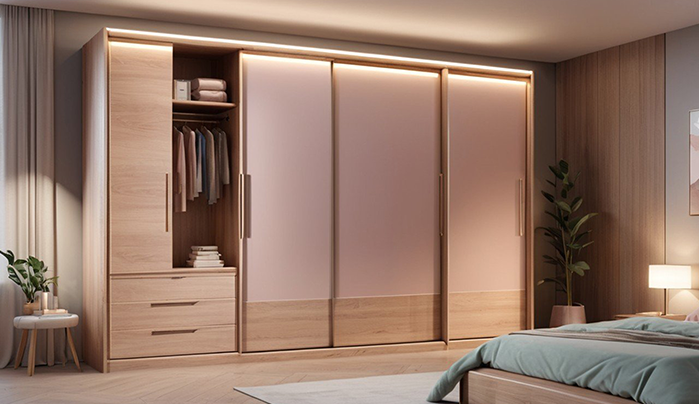
WPC and PVC Boards are practical choices for moisture-prone zones. Think of wardrobes near attached bathrooms, children’s rooms, utility-side bedrooms or coastal homes. WPC and PVC Boards may not be the first choice for a luxury master bedroom, but they are sensible where humidity is a real concern. Under New Age Products, PVC Boards made from Polyvinyl Chloride are easy to maintain and reinstall, while WPC options bring a more wood-like feel with a practical core. Use WPC and PVC Boards when the brief is low maintenance first, glamour second. For a better finish, keep the design clean. Flat shutters, simple handles and light colours usually work better than heavy detailing.
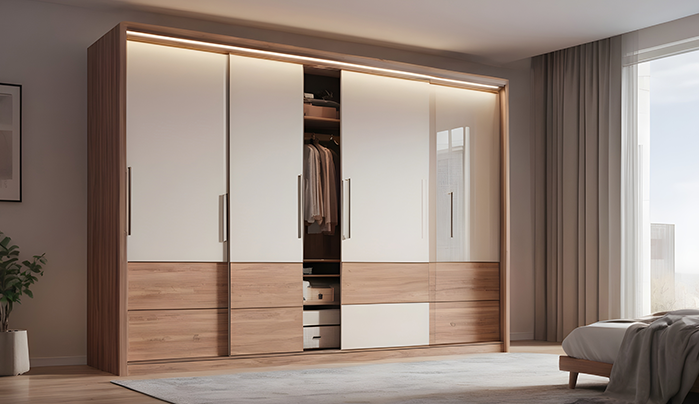
Framed shutters bring softness. They are perfect for homes that do not want the fully flat, hotel-room look. A slim shaker-style frame in white, sage, beige or pale grey works well with traditional beds, carved side tables or warm lighting. For a richer version, use veneer inside the frame and a darker border outside. This design needs restraint. Keep the frame slim. Thick borders can make the wardrobe look dated. Use a strong plywood base, and consider Sainik 710 when you need Boiling Water Proof performance for furniture that must last through Indian humidity.
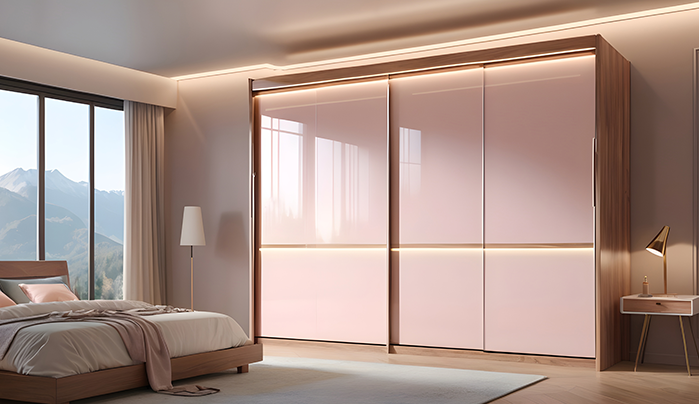
The smartest wardrobe door designs are the ones that respect both style and site reality. A wardrobe is not a small décor detail. It is a large moving surface that handles dust, touch, weight, humidity and daily impatience. Choose the wrong material, and you will notice it every day. Choose well, and the whole bedroom starts looking planned.
For practical Indian homes, combine the right base with the right face. Sainik 710 is a strong choice when you want Asli Waterproof Plywood with a One India One Price advantage. CenturyLaminates suit high-use wardrobe shutters. CenturyVeneers bring warmth when the room needs a richer finish. New Age Products, such as WPC and PVC Boards, help in moisture-prone areas. And plywood with Firewall Technology can be considered where added fire-retardant performance is part of the brief.
Sliding doors, mirror doors, high-gloss finishes, and light-coloured laminate doors work well in small bedrooms. They reduce visual heaviness and help the room feel brighter. Avoid very dark full-wall wardrobes unless the room has enough natural light.
Yes, laminates are practical for wardrobe doors because they offer many colours, textures, and finishes. They are also suitable for daily-use furniture surfaces that need regular cleaning and better resistance to scratches and abrasion.
Laminate is better for rough daily use, easy maintenance, and budget-friendly design. Veneer is better when the bedroom needs a warmer, richer, wood-like finish. For busy wardrobes, laminate is more practical. For premium-looking bedrooms, veneer creates a softer and more elegant effect.
Loading categories...


