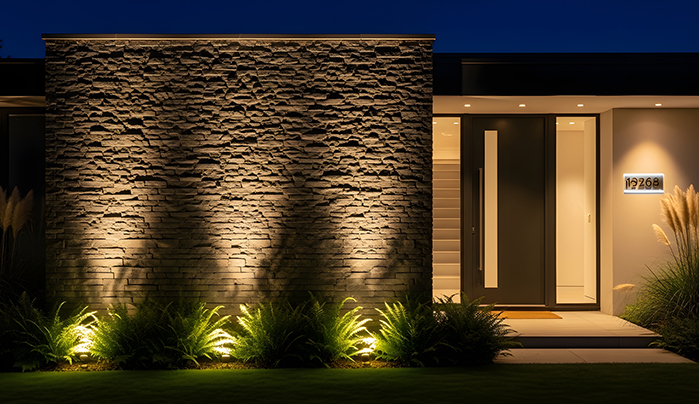
You know that feeling when a building just looks... finished? Like, it's not missing anything? Nine times out of ten, that's the cladding doing its job quietly in the background. It's the outer layer fixed onto a wall, and it has two jobs at once: look good, and actually protect whatever's underneath from the weather, the wear, all of it.
The problem is that not every material suits every wall. Get it wrong, and you're redoing the job in two years. Get it right, and honestly, you forget about it for decades. So let's actually go through the types that matter, where each one belongs, and what separates a good choice from a bad one.
What Is Wall Cladding, Really?
No complicated engineering talk here. Cladding is simply a protective, decorative skin applied to a wall. It keeps rain and sun off, stops moisture from creeping in, and gives you some room to actually have an opinion about how your walls look instead of settling for plain paint.
Put it on an accent wall behind your bed indoors, or wrap an entire building facade with it outdoors, same basic idea either way. What changes is the material? A panel that's perfect for a bedroom wall has no business being on the outside of a building facing three months of monsoon, and that mismatch is where most cladding projects go wrong.
Explore Different Types of Wall Cladding
Usually available in two categories: panels designed for indoor spaces and heavy-duty options for outdoor weather conditions. Here is a detailed breakdown:
Interior Wall Cladding
-
Fluted PVC and Louver Panels: They have become a favourite lately, because they're light, handle moisture, and deliver vertical grooves everyone's putting behind their TV units now. Quick to fit as well, which helps.
-
Natural Wood Veneer: Nothing quite replaces the real grain and warmth of the veneers, especially the wood ones. CenturyVeneers has a range that suits living rooms and bedrooms nicely if that natural, slightly upscale feel is what you're after.
-
Fabric or Upholstered Panels: Yes! They don't get talked about enough. They are soft, they cut down echo surprisingly well, and if you've got a home theatre or a study you actually want quiet, this is worth a look.
-
Stone-Look & Decorative Laminates: If you like the look of marble or slate but not the bill that comes with it, decorative laminates solve that. CenturyLaminates does a solid stone-look range that holds up to daily use without draining your budget.
Exterior Wall Cladding
-
Natural Stone and Brick: A classic pick, and it is the best material for exterior wall cladding for all good reasons. They're timeless and genuinely tough against bad weather. The catch is the price, which puts many people off before they even get started.
-
Wood-Plastic Composite: Here, things get interesting. These boards mix wood fibres with Polyvinyl Chloride to offer the timber look without the usual wood problems, no rot, no termites chewing through it, no warping after the first heavy rain. A fair number of homeowners choose this natural exterior finish for its low upkeep.
-
High-Pressure Laminates (HPL): Another major contender. Panels like CenturyExteria don't scratch easily, hold their colour under relentless sun, and cope with big temperature swings without cracking apart. Plus, it performs through an Indian summer and a monsoon in the same year.
Benefits of Interior Cladding vs Exterior Cladding
While both types upgrade your home, they deliver very different advantages:
Benefits of Interior Cladding
-
Hides Wall Defects – Uneven plaster, old paint stains, hairline cracks in the wall - cladding just covers them up. No hammering, no cement, no dust everywhere.
-
Low Maintenance – Wipe it down and it's done. That's basically it. No repainting every year or two.
-
Acoustic Comfort – Fabric or wood panels reduce echo. Rooms feel calmer, less like you're talking inside a tin can.
Benefits of Exterior Cladding
-
Weather Protection – Bare brick soaks up rainwater over time, and that's usually where damp problems start. Cladding stops at the surface.
-
Thermal Insulation – Your walls stop working against you. Summers feel less brutal indoors, winters less cold, and your electricity bill notices the difference too.
-
Long-Term Durability – Years of direct sun quietly wear down a structural wall. Cladding takes that hit instead—which is really the whole reason people look for a solid exterior wall cladding material in the first place. It's not decoration; it's protection.
Why CenturyPly Is Worth Your Trust
With so many options floating around, going with a name that's already been tested just makes life easier. CenturyPly has spent years building that reputation across India, backed by a Total Cover Warranty that actually holds up when something does go wrong, which, let's be honest, is rarer than it should be in this industry.
Between WPC and PVC boards, CenturyLaminates, CenturyVeneers, and the CenturyExteria HPL range, there's not much cladding ground this one brand leaves uncovered. A small accent wall or an entire building facade — tested products paired with a warranty you can actually rely on is a combination that's genuinely hard to find elsewhere. That's exactly why it keeps coming up in best material for exterior wall cladding conversations, and interiors too, for what it's worth.
FAQs
Q1. What are the different types of exterior wall cladding materials?
Natural stone and brick, WPC boards, high-pressure laminates (HPL), aluminium composite panels (ACP), and fibre cement panels cover most of the market. Which one fits depends on your budget and the look you're going for.
Q2. Can laminate cladding be used for balconies and facades?
Yes, exterior-grade laminates like CenturyExteria are built for this exact purpose, standing up to UV rays, rain, and shifting temperatures without much fuss.
Q3. Is CenturyPly's exterior cladding fire-resistant and UV-stable?
Yes. CenturyExteria panels are tested for fire safety and carry UV-stable finishes that hold their colour even after years in the sun.