
Consumer
A facade absolutely covers your space. But you can also make it a source of visual interest. However, it’s not solely about the pattern of your choice. The option should align with the depth, texture and visual rhythm of the surroundings. It should add a characteristic feature to how a space looks and feels.
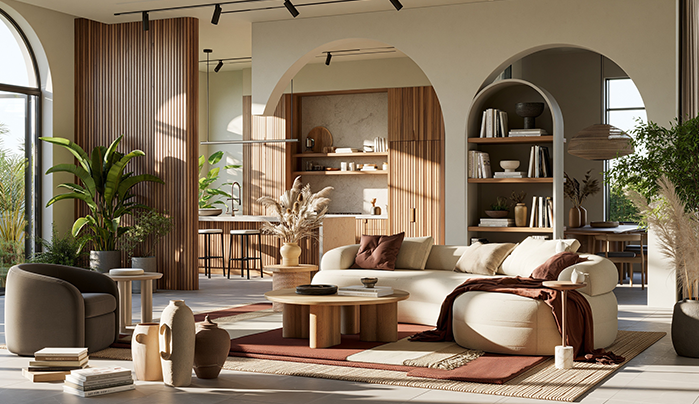
If you are an architect or interior designer exploring options for your project, we offer numerous designs with specifications for both interior and exterior use. If you are a site owner with limited knowledge, we also offer application suggestions beyond the available options. So, scroll down to make a choice.
Louvers are architectural elements made of angled or horizontal slats. These slats are arranged at regular intervals and can be incorporated into both the interiors and exteriors of a place. Louvers control airflow, light, heat and visibility. Depending on their design, exterior Louvers can also help limit the entry of rain and debris while allowing air to pass through.
Besides their functional benefits, Louvers are widely used as decorative elements to add texture, depth and visual interest to a space. They are commonly used on walls, windows, doors, facades, partitions and other architectural features.
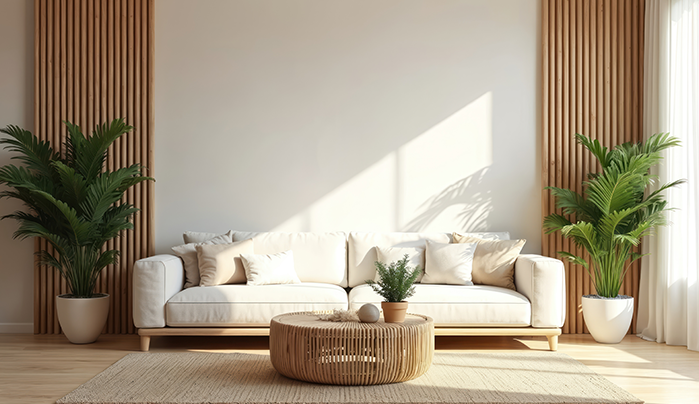
Louvers come in different types based on blade movement, installation direction, uses, design and the materials they are made from. They can be fixed, adjustable, flip-type, fluted, wide-profile, wood-finish, acoustic, or other types. Here are more insights into the types of Louvers:
Louver blades can be stationary or move up to 180 degrees. The variety of Louvers is named accordingly.
Fixed Louvers
The key characteristic of fixed Louvers is that they remain stationary. They are set at an angle between 30 and 45 degrees, allowing continuous ventilation while also protecting against light rain. The fixed Louvers are a durable and cost-effective option. However, they often require maintenance.
Adjustable Louvers
Adjustable Louvers come with movable blades, with maximum movement upto 90 degrees. This allows you to change their angles manually or automatically and adjust the airflow accordingly. These Louvers offer better control for light, privacy and airflow. Adjustable Louvers are generally better suited for industrial and commercial applications.
Flip Louvers
Flip Louvers also comprise movable blades with an allowed movement of up to 180 degrees. Thus, they can be completely opened and closed, offering a higher level of protection, privacy and control, depending on their installation location. Also, flip Louvers are more costly compared to fixed and adjustable Louvers.
Louvers can be installed horizontally, vertically or at a slant. Each of these serves a distinct purpose.
Horizontal Louvers
The blades of horizontal Louvers run parallel to the ground. These Louvers are best at blocking high-angle sun and hence are an optimum choice for areas experiencing high temperatures. Horizontal Louvers also deflect rain and help prevent interior light from escaping.
Vertical Louvers
Vertical Louvers run from top to bottom and are characterised by blocking low-angle sun. These Louvers create a height effect on buildings and require less maintenance due to their structure.
Slanted Louvers
In slanted Louvers, the overall assembly of Louvers, including blades, is installed at a fixed angle. These Louvers serve to divert wind or improve drainage and are therefore installed in heavy rainfall-prone areas. Additionally, these Louvers are also used to hide ducts, electrical cabling, pipes and conduits. They are also comparatively low maintenance.
The different types of Louvers, based on the function, include storm, hurricane and acoustic Louvers.
Storm Louvers
Storm Louvers are designed for areas with wind-driven rain, such as coastal and tropical environments. They comprise advanced blade designs and an integrated drainage system to prevent water from entering the building through ventilation openings.
Hurricane Louvers
Hurricane Louvers address extreme weather, such as strong winds accompanied by flying debris. These are a necessity in hurricane zones and coastal regions for enhanced protection. They are made from impact-resistant materials.
Acoustic Louvers
Acoustic Louvers solve the issue of excessive noise without compromising airflow. They reduce noise by using sound-absorbing insulation.
While there are many Louver designs, common options include fluted, wide profile, and wood-finish Louvers.
Fluted Louvers
Flute Louvers are also known as grooved Louvers. They have a narrow groove that creates fine shadow lines, adding visual interest at the installation location. Fluted Louvers are generally preferred for modern interiors to offer minimal design.
Wide Profile Louvers
Wide profile Louvers have broader blades. They create clean and minimalist shadows while also offering a solid visual appearance. Wide profile Louvers block direct sunlight and rain but allow high airflow for mechanical or natural ventilation. They are commonly used in larger rooms, showrooms and feature walls.
Wood-Finish Louvers
Wood-finish Louvers come with wood-inspired prints or patterns to add warmth and a cosy feel to interiors. Generally, they have decorative fluted or ribbed panels that suit both internal and external uses depending on the material they are made from.
Louvers suit both interior and exterior uses because they are made from appropriate raw materials. They are made of aluminium, steel, wood, glass and PVC.
Aluminium Louvers
Aluminium Louvers are lightweight and resist corrosion. The frames and blades of Louvers are made from aluminium alloys and are durable and low maintenance.
Steel Louvers
Manufactured from steel, these Louvers are known for their high load-bearing capacity. They can withstand extreme weather conditions and are very durable. Steel Louvers are commonly used in factories and industries.
WPC Louvers
WPC Louvers have wood as the primary manufacturing raw material. They are installed for their natural aesthetic look, warmth and texture at the installation site. WPC Louvers are commonly seen in luxury homes and resorts.
PVC Louvers
Louvers are also made from synthetic materials to offer affordability and many features. They are lightweight, moisture-, insect-, and rot-resistant, low-maintenance, and remain rust-free. PVC Louvers are cheaper too.
Glass Louvers
The Louver blades are made of glass to offer a view, allow light and to ensure transparency. However, they do not provide thermal insulation. Glass Louvers are generally used in windows with toughened glass for security and durability.
Louvers are used in both indoor and outdoor spaces for ventilation, light control, privacy and aesthetic enhancement. Some of their common applications include:
Improving Ventilation and Preventing Rainwater Entry: Louvers allow continuous airflow while limiting rain from entering indoors.
Controlling Heat and Humidity: They allow hot and humid air to escape and reduce moisture build-up, making the indoor environment comfortable.
Reducing Glare: Louvers reduce the amount of direct sunlight entering a space. It helps minimise glare and increase comfort in interiors.
Improving Energy Efficiency: By supporting natural ventilation and reducing direct solar heat gain, Louvers can also reduce dependence on air conditioning in suitable climates.
Maintaining Privacy: Depending on the choice of material, Louver panels can restrict direct views while allowing air and some natural light to pass through.
Adding Decorative Appeal: Interior Louver panels are used indoors to introduce texture, depth and a clean linear look.
Creating Room Partitions: Louvers can divide spaces without completely closing them off, helping maintain a sense of openness while creating separate zones.
Enhancing Exterior Facades: Exterior Louvers can add depth and architectural interest to building facades while also providing shade, ventilation and partial privacy.
Louvers can be used in different ways to add texture, depth and structure to an interior or exterior space. Select the right WPC Louvers from CenturyPly, based on the size of the space, the desired visual effect and the level of impact you want the design to create.
A Louverd feature wall instantly adds depth and character to otherwise plain surfaces. For a subtle, lightweight look, Troika Louver from CenturyPly works well because of its shallow grooves and slim profile.
For spaces that need stronger texture, Deuce Louver from CenturyPly offers deeper grooves and a heavier visual presence. It is suitable for lobby walls and lounges.
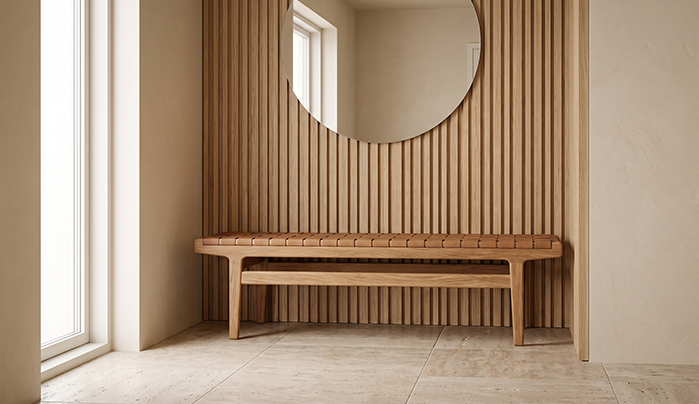
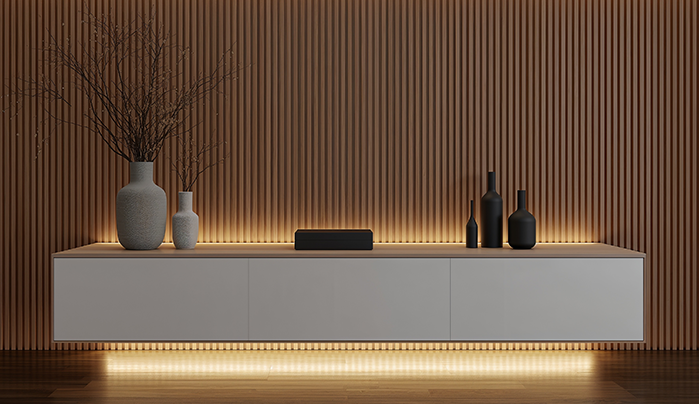
The wall behind the television is an ideal place to introduce linear texture without overwhelming the room. Use Sole Louver from CenturyPly due to its narrow width and deeper profile. It will create stronger grooves and shadow lines when paired with directional lighting.
Louver panels can act as decorative partitions while maintaining a visual connection between two areas. We suggest Troika Louver for a lighter, understated partition. Appropriate places are between a living and dining area or within a home office.
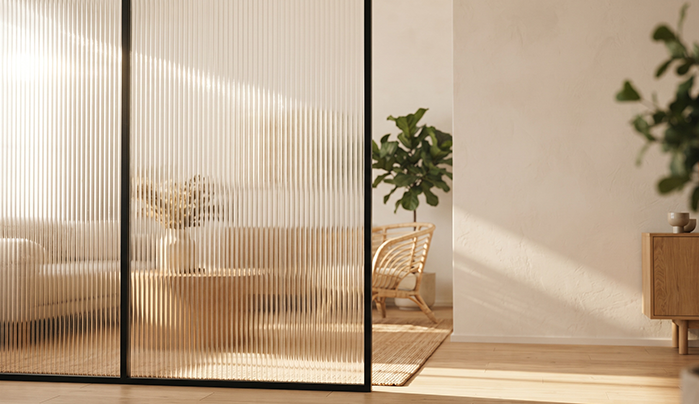
Louvers can also transform a building's exterior while providing shade, privacy and architectural depth. Levia Louver from CenturyPly can work well for smaller facade sections and balcony fronts. For larger commercial facades and spaces, Spire and Triad Louvers from CenturyPly are better suited, with deeper grooves that create stronger shadow patterns.
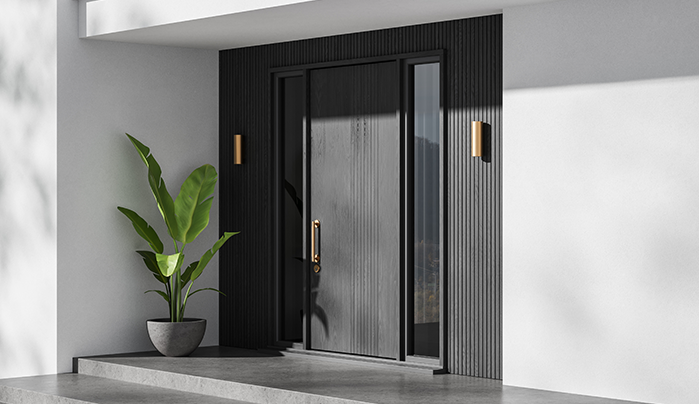
You can introduce a distinctive architectural detail at the entrance without covering the entire facade. Vigo Louver from CenturyPly can be used on home entrances and porch fronts to create a high-impact feature.
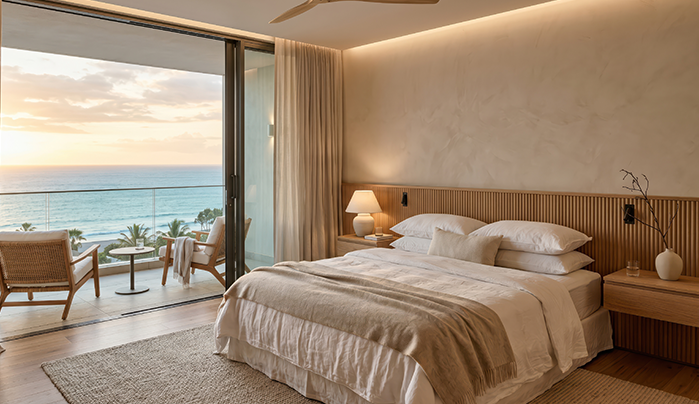
Louvers can change the character of a space while adding depth, texture and visual interest. But the right choice depends on where they will be installed and the look you want to create. Among the types of Louvers,
Insights into the Louver specifications makes it easier to select a Louver that depends on the space of installation. If you are still confused, feel free to check out the 2D or 3D visualiser. Or else, for any kind of queries or assistance, reach out to us at 1800-5722-122.
And why choose CenturyPly specifically? This is because we are recognised as the most reliable and authentic manufacturer in India. We have been bestowed with multiple prestigious awards and have established our name for quality and trust. Visit the registered CenturyPly dealership for your purchase.
The choice of Louver design depends on the installation location, the area's climate, and slat orientation. The vertical slats add height to low-rise areas, narrow slats add fine detail, while wider ones create a bold, modern look.
Interior Louvers only need a soft cloth to stay smooth and clean. CenturyPly recommends dusting interior Louvers regularly. Check exterior Louvers seasonally and clean them annually because of direct weather exposure.
Yes, external CenturyPly Louvers reduce solar heat gain by 40 to 60%. They cut down the heat entering a space and lower cooling costs. Louvers also reflect direct sunlight, bringing indoor temperatures down by roughly 2 to 6°C during hot summer months.
Loading categories...


