
Consumer
We shape our interiors with materials that offer warmth, durability, and style. The use of veneers is now a favourite in Indian households, since it is a blend of the style of natural wood and practicality. Veneered doors or wall panels are both refined and long-lasting, making them ideal for both homes and commercial settings.
In this blog, we'll go over the top applications of veneers for doors and wall panels.
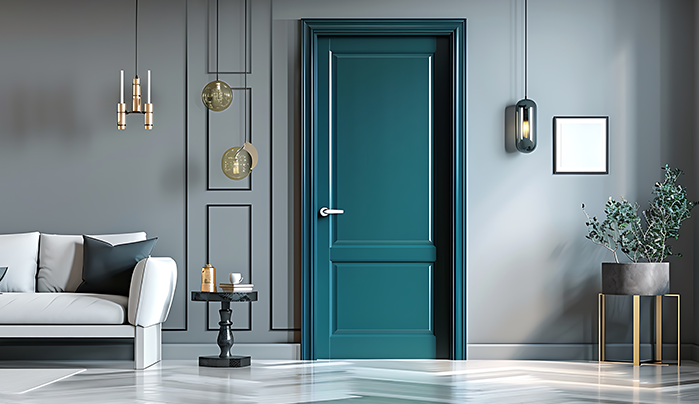
Doors are practical objects; however, with veneers, they become a main style object. Veneers are used in interior doors, wardrobe shutters, room partitions, and home-office doors to improve appearance and durability. Here are some important reasons to have veneers applied to doors.
Your main and internal doors are visual anchors in any home. Veneered doors using teak, walnut, oak, or ash create refined entrances without the maintenance burden of solid wood.
Veneers have real grain and can be sanded and refinished in case the top wears out over time, as opposed to laminate. Veneers are better at withstanding minor scratches than laminate and can be polished to look refined when required.
Wardrobe hinges and sliding tracks fail prematurely under heavy weight. Veneered shutters weigh 30–40% less than their solid wood counterparts, which means a decrease in the mechanical load on the hardware used, and prolonged service life of costly hinges and tracks.
A grain-matched set of walnut veneer wardrobe shutters brings continuity to the visual appeal, with a lifespan of 15–20 years with minimal care.
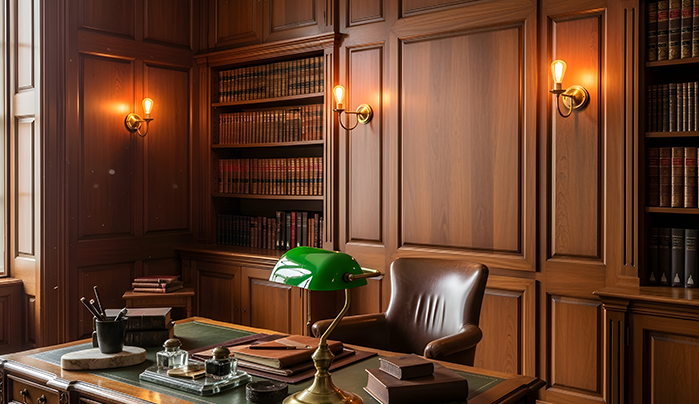
Professionals who work at home enjoy the use of veneer on the walls and cabinets of the study area. The cosy design enhances concentration and confidence during video calls. Bookshelves and study desks are complemented by oak or ash veneers, which form uninterrupted workspaces.
Compared to laminate, veneer has a natural absorbing property that reduces screen glare and eye strain—an extremely helpful feature that most people are not aware of. Light ash veneer study room doors make the space welcoming and also help retain the professional appearance required by clients and coworkers.
Wall panels influence the character of a room. Veneers help convert flat surfaces into rich, textured backgrounds that feel warm and expressive. Here are some important reasons to have veneers applied to wall panels.
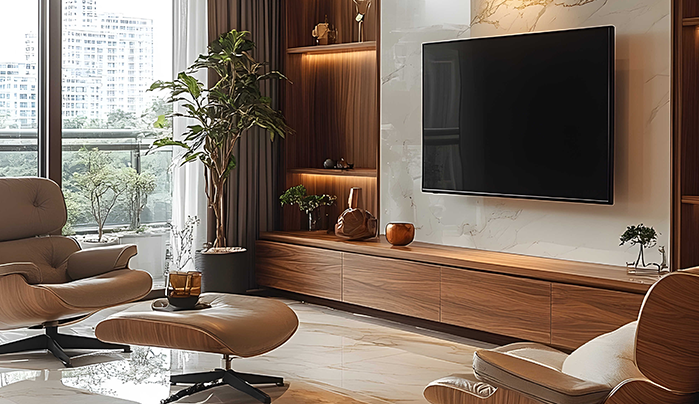
An accent wall does not require the structural integrity of solid wood; it requires a beautiful and stable surface. Veneer wall panelling provides both. A teak veneer wall behind the TV (60–80 sq. ft.) in a small apartment or room makes the space look deeper and warmer than bare plaster ever could.
Vertical grain patterns provide an illusion of height in small rooms; horizontal patterns extend a narrow space. Installation is done by gluing veneer to a plywood backer or attaching veneer to plywood and finishing it with either melamine or high-quality PU polish to withstand monsoon conditions.
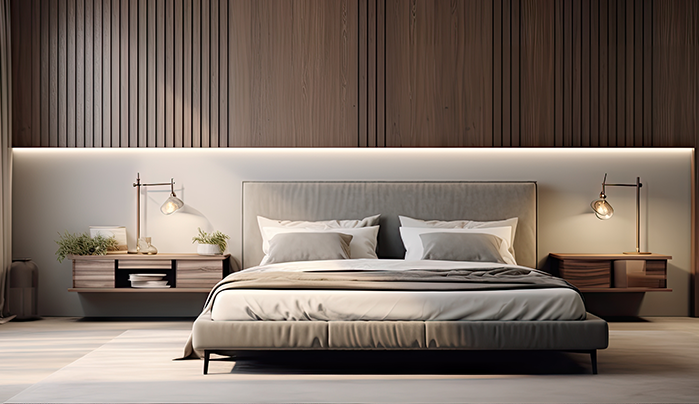
A veneer wall panel behind the bed makes the bedroom appear more premium. Walnut and teak are commonly used because of their warmth and richness. Bedrooms become more intimate and comfortable, as the material absorbs sound better than bare plaster or concrete.
Maintenance is minimal. In standard climates, dusting and light cleaning are usually sufficient, with polishing once or twice a year. In coastal areas like Goa or Chennai, polishing may be required slightly more often due to humidity.
Dining rooms with soft and warm veneer walls create a welcoming atmosphere for family gatherings and entertaining guests. Wooden dining tables are enhanced with oak or ash veneers that help them harmonise with smaller spaces without overpowering the room.
A veneer accent wall transforms a regular living room into an elegant gathering space. Walnut veneers are particularly suitable for modern interiors, while teak works well in traditional styles. These walls create natural focal points that anchor furniture layouts and guide the movement of guests through the space.
CenturyVeneer is trusted for its consistent quality and refined finishes that perform well across homes and commercial spaces. Its veneers add natural warmth and retain stability over time. Other reasons include:
The NatzuraWoods line delivers natural veneers with authentic grains and colours, while SenzuraStyles presents reconstituted veneers with consistent patterns and uniform grains-ensuring your veneer needs are met with confidence.
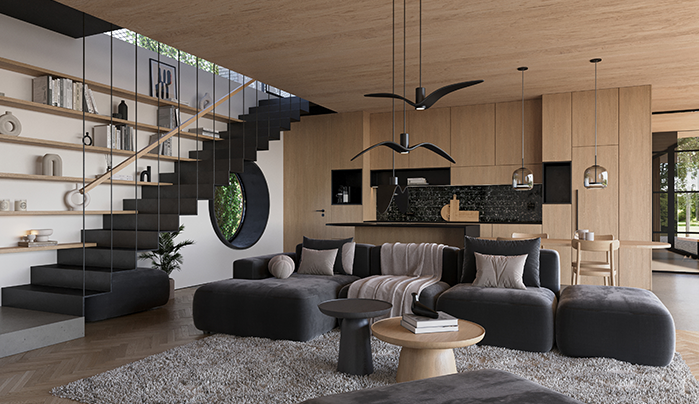
With veneers, you get the best of both worlds: the natural charm of real wood combined with the usability, adaptability, and cost-effectiveness essential for modern interiors.
Whether you want a warm, elegant door as the gateway to a room or a wall panel that becomes the focal point of a space, veneers deliver consistently. If you're planning a renovation or building a new space, consider CenturyVeneer as a smart, long-term investment in your home's aesthetics and comfort.
Well-made veneered surfaces with engineered cores remain stable and resist warping when properly sealed.
Yes. They are lightweight and easy to handle, and installation is faster than solid wood cladding.
Very little. Regular dusting and occasional wiping are enough to maintain their appearance.
Yes. Veneers use thin slices of wood, helping conserve natural resources while providing a real-wood finish.
Loading categories...


