
Consumer
We elevate our luxury interiors with materials that narrate a tale of style and sophistication. The veneer finish that you select is its mouthpiece; it tells of quality, artistic purpose, and even permanence. A high-end space is not only a place that needs to be beautiful, but it also needs to be able to perform, protect, and be pleasing to the eye in the long term.
Today, we will showcase veneer finishes that can be used in luxury applications and help you understand which finish can bring your vision to reality.
Luxury is not created by veneer, but by the finish. The kind of surface treatment you coat your veneer with will dictate the performance, the level of aesthetics, the maintenance, and the overall longevity of the veneer.
Luxury interiors in India are dominated by three major finishes: melamine, PU (polyurethane), and special lacquer finishes. They each have their own benefits and disadvantages. We will discuss them in this post.
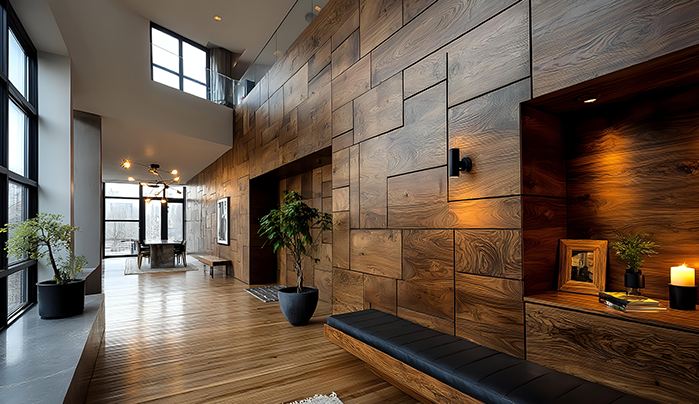
A mediocre finish on a premium veneer panel appears dull and does not age well. On the contrary, a brilliant finish will turn even an ordinary veneer into something exceptional.
Luxury areas require finishes that will not be scratched, dampened, or damaged due to UV effects, yet retain their elegance over years of usage.
Now, let's look at the three most prominent veneer finishes used in high-end residential and commercial luxury spaces.
Melamine represents the foundation of veneer finishing. It is affordable, readily accessible, and offers basic protection against scratches and dust. Melamine is best used in controlled environments such as bedrooms, studies, and air-conditioned living rooms in luxury settings.
Best for: Middle-traffic luxury rooms, interior wardrobes, and accent walls of study rooms.
Drawbacks: Limited water resistance, can discolour under prolonged UV exposure, and has a less premium appearance compared to PU.
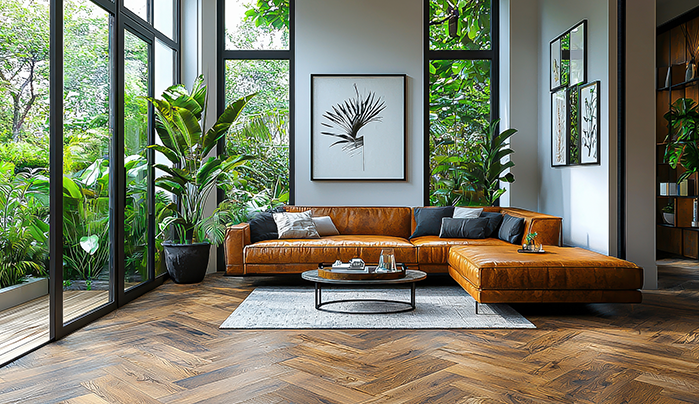
The gold standard of luxury interiors in India is the polyurethane (PU) finish. It produces a glass-like finish in matte, satin, or high-gloss. PU offers better resistance to water, stains, scratches, and UV rays. In contrast to melamine, PU does not conceal the natural grain of the veneer; it enhances it and provides superior protection.
There is a careful application process involving multiple layers, creating a flexible yet durable coating that adapts to the natural movement of wood, preventing cracks. High-gloss PU is used to achieve a mirror-like finish ideal for modern luxury homes, while matte and satin finishes suit traditional or minimalist décor.
Best for: High-end bedroom furniture, luxury hotel rooms, corporate offices, upscale restaurants, and celebrity homes.
Drawbacks: More expensive, time-consuming to apply, requires professional skills, and may show discolouration under extreme UV exposure in south-facing windows.
Lacquers and polyresin finishes are specialised and represent one of the highest grades of veneer finishing. These multi-coat layers (10–14 layers) create unmatched depth, richness, and durability. Bespoke finishes that cannot be achieved with standard coatings are possible through automotive-grade lacquers, clear coats, and custom-tinted finishes.
Applied in five-star hotel lobbies, shopping malls, and custom homes, these specialised finishes are highly detailed. They withstand harsh weather, age gracefully, and can be refinished if required.
Best for: Luxury hotel suites, elegant restaurants, high-end retail stores, and custom residential and commercial developments requiring superior durability.
Drawbacks: Higher application costs, controlled spray-booth environments are required, longer curing time, and the need for skilled professionals to avoid surface defects.
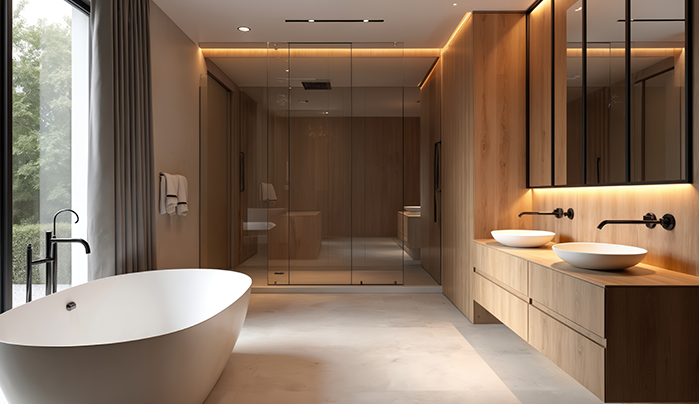
CenturyVeneer understands that luxury means perfection. Their veneer panels combine high-grade wood with professional finishes. Their veneer range includes NatzuraWoods, featuring high-quality natural veneers with an authentic grain feel, and SenzuraStyles, a reconstituted veneer line. This product line is developed to ensure consistency, design reliability, and modern luxury appeal.
For luxury projects, it is advisable to collaborate with a brand that maintains strict quality standards so that your spaces retain their beauty over time.
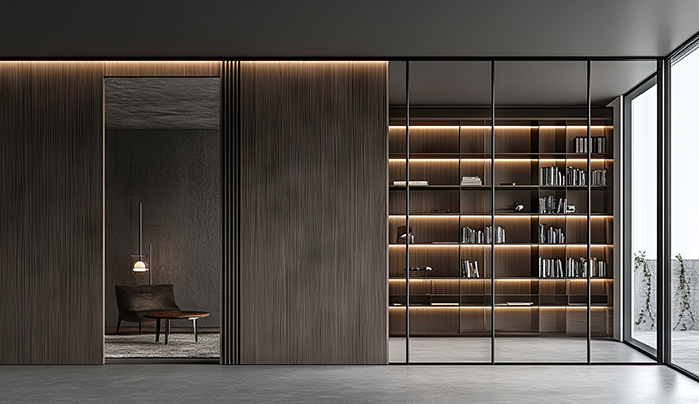
The finish you choose ultimately defines whether your veneer looks merely good or truly luxurious. Melamine has practical applications in controlled, low-moisture interiors.
PU polish represents the luxury standard, offering higher resilience, better grain visibility, and long-term durability.
At the highest end are specialised lacquers, suitable for projects that demand maximum depth, quality, and performance. Select your finish based on the space's usage, climate exposure, and design intent.
Melamine is economical and offers basic protection, while PU provides stronger resistance to moisture, scratches, and UV rays, along with a more premium appearance.
No. High-moisture areas require PU or specialised lacquer finishes over a water-resistant substrate.
Melamine should be polished periodically; PU requires light servicing annually; lacquers should be maintained periodically by professionals.
Yes. PU lasts significantly longer in luxury spaces and maintains its appearance better than melamine.
PU is commonly used, while high-grade lacquers are preferred for maximum durability and visual impact.
Loading categories...


