
Consumer
An exterior wall does a lot of work without getting much attention.
It faces the sun through summer afternoons. Then comes the rain, dust, humidity and, in some parts of India, sudden temperature changes. Over time, all of that can leave its mark on a facade. That is why choosing a good cladding material is only one part of the job. The other part is knowing how to look after it.
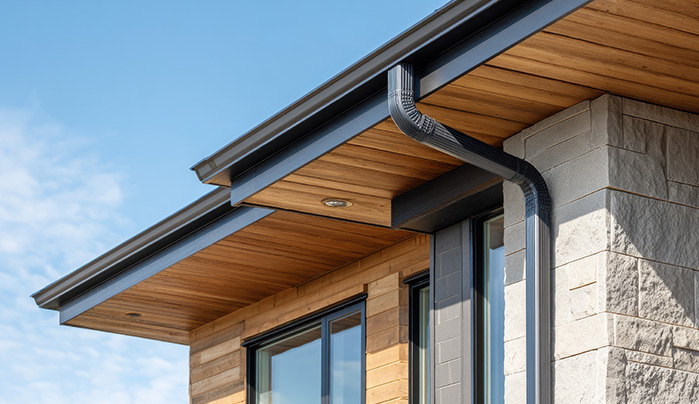
Maintenance for outdoor wall panels and cladding doesn’t have to become another job on your list. Just clean it when needed and keep an eye on the installation. That little bit of care can help the facade stay neat and hold up well over the years.
Outdoor cladding is exposed to things that interior surfaces rarely have to deal with.
Dust settles on it. Rain leaves marks. Pollution can build up on the surface. Strong sunlight keeps hitting the finish day after day. A quick clean from time to time can remove accumulated dirt before it becomes difficult to deal with. Here are 7 easy tips for maintenance for outdoor wall panels and cladding:
Periodic cleaning helps remove dust, pollution and other deposits that collect on the surface. Use a soft cloth, sponge or another non-abrasive cleaning method suitable for the panel. No need to scrub hard. Let the cleaning solution and water do most of the work.
Bird droppings, mud and other marks can happen on any exterior.
Try to clean them as soon as you notice them. Old, dried stains usually take more effort to remove than fresh ones.
For stubborn marks, use only a cleaning product that is recommended for the particular cladding. Testing an unfamiliar chemical directly on a visible section is not worth the risk.
A tough exterior panel does not need rough treatment.
Avoid steel wool, harsh scouring pads and abrasive brushes. These can scratch or affect the decorative surface.
A soft cloth or suitable sponge is a much better choice for routine cleaning.
The broad face of a panel is easy to inspect. Edges and joints deserve a look too.
While cleaning, take a quick look around the edges and joints. See anything loose or out of place? Get it checked. The same goes for a panel that looks damaged or has started moving. Sorting out these small things early can save a lot of trouble later.
You don’t have to check the facade every time it rains. After a heavy storm, though, it’s worth having a look. Check if any panel, joint or fitting looks different from before. Something loose or slightly out of place is easier to deal with when you catch it early.
Not every exterior panel is made in the same way.
So, if the manufacturer provides specific cleaning or care instructions, follow them during the maintenance for outdoor wall panels and cladding. It is better than assuming that a cleaner used on one surface will work on another.
A few simple precautions can save you trouble later.
The aim is simple. Keep the surface clean without being unnecessarily harsh.
Maintenance cannot compensate for using the wrong material.
A regular interior laminate is not designed for prolonged exposure to rain and sunlight. Exterior-grade HPL is made specifically for those conditions. That is where CenturyExteria steps in.
CenturyExteria is CenturyPly's range of high-pressure laminate exterior cladding developed for outdoor surfaces. It is intended for residential and commercial exteriors, including facades and other applications such as balconies, louvers, soffits, roof cladding, gates and screens.
The range also gives you plenty of room to work with the building's look. With woodgrain, stone, abstract and solid designs, the facade doesn't have to settle for a plain finish.
But appearance is only one side of it.
CenturyExteria is built for direct sun, rain, humidity and changing temperatures. Its exterior-grade HPL panels are tested for UV exposure and weathering, while the double-hardened resin construction adds strength and dimensional stability.
The panels are also designed for low maintenance. CenturyPly states that they do not require a specific cleaning regimen.
For someone planning an exterior, that combination is worth considering. You get a facade material made for outdoor conditions, along with a range of designs that can change the character of the building without turning maintenance into another regular task.
A well-maintained facade does not need constant attention.
Keep the panels clean, address stains as they appear, and take a quick look after harsh weather. More importantly, start with an exterior-grade material made for sunlight, rain and temperature changes.
CenturyExteria brings those outdoor performance requirements together with a wide choice of designs. For homes and offices where the facade needs to look good and hold up outside, it offers a practical HPL cladding option from CenturyPly.
Regular cleaning removes dirt, pollution and stains before they build up on the surface. Occasional checks can also help look for visible damage around panels, edges, and fixtures. This helps identify issues earlier and address them immediately.
Exterior-grade panels are designed to withstand rain, moisture and sunlight. CenturyExteria is tested for wet conditions and UV exposure. Mould is a different matter. If water stays trapped behind the panels because of drainage or installation issues, mould can still develop. So, proper installation matters as much.
Long-term exposure can affect any exterior material, but exterior-grade HPL is developed to handle UV exposure. CenturyExteria passes its specified UV and artificial weathering tests, with Grade 5 results for the listed appearance and grey scale measures. Choosing an exterior-grade product and following its care instructions can help maintain the finish.
Loading categories...


