
Consumer
Open a home décor account on any platform, and you will see the same story: flawless rooms bathed in golden light, perfectly arranged cushions, artfully placed plants, and furniture that looks as if no one has ever actually sat on it.
It all looks beautiful. But it often has very little to do with how a home actually works. There is a meaningful difference between a space that has been styled and a space that has been planned, and understanding that difference can save you a great deal of time, money, and frustration.
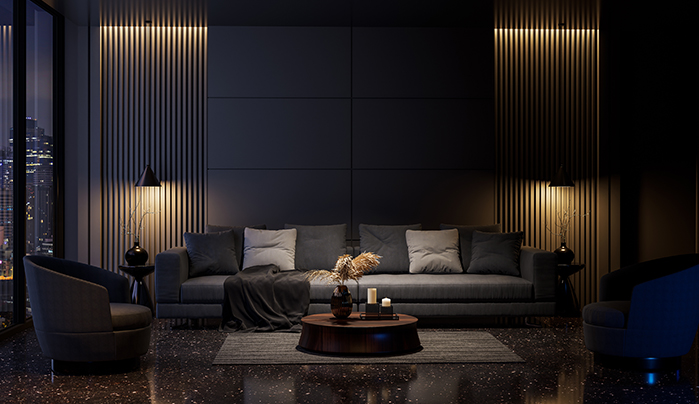
A styled space is one that has been designed for appearance. It looks polished, on-trend, and visually satisfying. The colour palette is intentional, and the furniture is arranged for the photograph.
There is nothing wrong with wanting your home to look good. Aesthetics matter; they shape how a space feels and how you relate to it every day. But styling alone does not account for how a kitchen cabinet handles steam and daily use. It does not consider whether a wardrobe will hold its shape after five years of being opened and closed hundreds of times. It does not ask whether the material behind the beautiful finish will last.
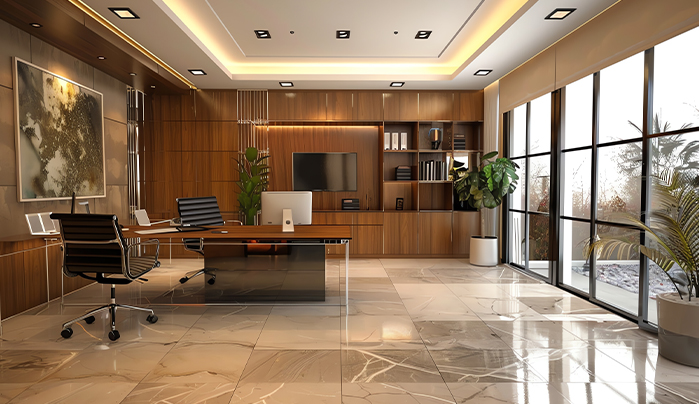
A well-planned space begins with understanding how the room will be used, not how it will be photographed. It prioritises function over aesthetics.
Who uses this room, and how often? What conditions will the furniture face: moisture, heat, heavy loads, or daily impact? What does this space need to do in five years, not just five months? How does one room's function affect the rooms around it?
Only after those questions are answered does the visual character of the space take shape. And that is the key distinction: in a well-planned space, the aesthetic follows the function. In a styled space, the aesthetic tends to lead the function.
The true measure of a well-planned space lies in the invisible choices that support everyday living. It is the plywood inside the cabinet, not the laminate on its face. It is the Glue Line Protection (GLP) treatment that helps protect against borers and termites over the long term. It is the Boiling Water Proof grade adhesive that helps resist swelling and delamination even after years of steam exposure.
These are the details that rarely make it into photographs or mood boards. But they are the reason a beautiful interior stays beautiful and the reason a poorly planned one does not. A styled space can look identical to a well-planned one on the day of installation. The difference shows up over time.
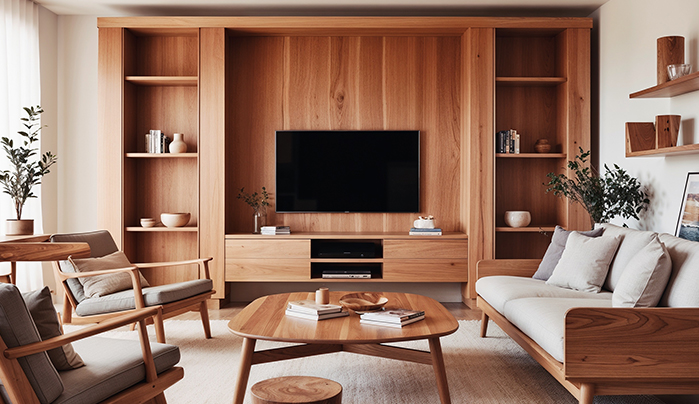
The single biggest gap between styled spaces and well-planned ones is the quality of the materials used behind the finish.
A laminate finish applied over poor-quality plywood is more likely to bubble, peel, or crack over time, not because the laminate failed, but because the foundation beneath it was not built to last. Conversely, premium plywood with a well-chosen finish creates furniture that holds its form, its function, and its appearance over the long term.
Well-planned spaces also consider material properties that go beyond moisture and structure. Hygiene matters in kitchens and family spaces; surfaces that actively resist bacteria and viruses protect health, not just aesthetics. Fire performance matters in rooms where cooking, heating, or electrical use is common. Good design does not leave these details until the end. They are considered from the start.
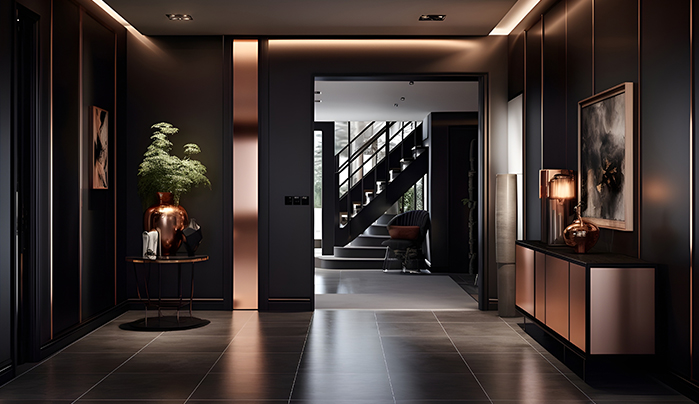
The best interiors do not ask you to choose between looking good and performing well. CenturyPly is built on exactly that principle.
And when it comes to finishes, CenturyLaminates offers a wide range of designs, textures, and patterns that enhance the visual layer of a well-planned space, backed by a 10-year warranty that supports long-term finish performance alongside the material beneath it.
Style and planning are not opposites. The most enduring homes have both; they look beautiful because they have been thought through carefully, and they stay beautiful because the right materials are holding everything together. The difference between a space that impresses on day one and a space that serves you well for decades comes down to the decisions made before a single piece of furniture is placed. Start with the right material, and the style will naturally follow.
Absolutely. The best interiors achieve both. Good planning simply means that aesthetic decisions are made on top of a solid functional foundation: the right plywood grade for the right application and the right surface finish for the right level of use. CenturyPly's range is designed to support exactly that combination.
Plywood quality directly affects whether the surface finish, laminate, veneer, or paint holds over time. High-quality, dimensionally stable plywood like Club Prime or Architect Ply prevents warping, swelling, and delamination, which means the finish applied on top remains intact and attractive for far longer.
For kitchen interiors, the three most important considerations are Boiling Water Proof performance, Borer and Termite Proof protection, and fire safety. Club Prime addresses all three with its BWP grade, GLP treatment, and Firewall Technology, making it a well-rounded specification for modular kitchen cabinetry.
Loading categories...


