
Consumer
Plywood on a construction site does one of two jobs. One type disappears before the building is finished. The other stays sealed inside it for decades. Mixing the two up adds cost and risk. This guide covers what separates them, where each belongs, and how to pick the right one.
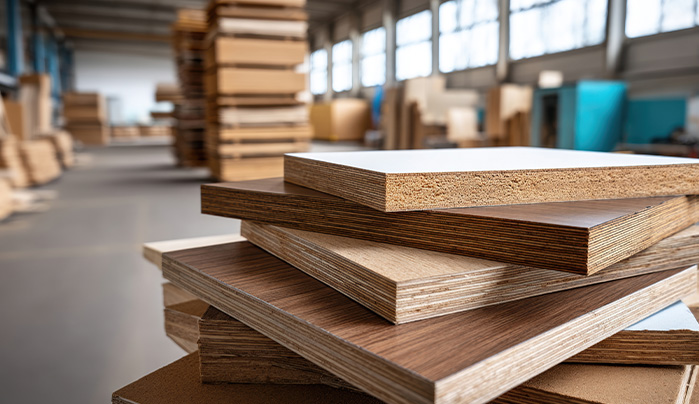
Shuttering plywood is used to build temporary formwork for concrete construction. It holds wet concrete in the required shape until it gains enough strength to support itself. Once the concrete has cured, the formwork is removed, and the plywood can often be reused if it remains in good condition.
Each one is removed once the pour cures.
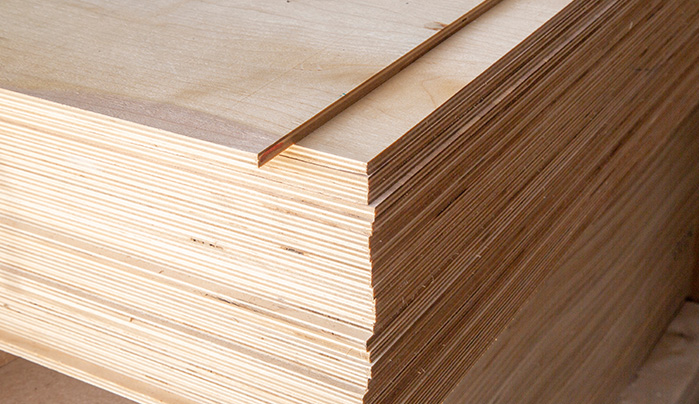
Below are the main features of shuttering plywood.
Construction plywood is designed for building work where the board becomes part of the finished structure. Instead of being removed after use, it stays in place and provides support for different parts of the building. Builders commonly use it where strength, stability, and long-term performance are required.
Most of these uses sit hidden behind cladding or flooring.
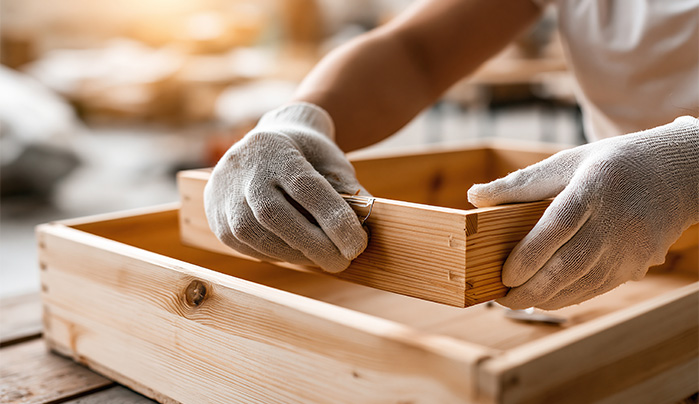
Below are the main features of construction plywood.
Below are the main differences between the both plywoods.
| Feature | Shuttering Plywood | Construction Plywood |
|---|---|---|
| Primary purpose | Temporary concrete formwork | Permanent structural use |
| Typical applications | Slabs, beams, columns and footings | Roofing, flooring base and wall sheathing |
| Used for concrete formwork | Yes | No |
| Surface finish | Smooth, for clean release | Standard, for structural bonding |
| Reusability | Yes, across multiple pours | Not applicable |
| Lifecycle | Removed after concrete cures | Lasts the life of the building |
Choose it when the board's only job is holding a pour before coming off. It is a short-term material, and specifying it correctly keeps formwork waste and cost down.
Foundations, suspended slabs, beam casings, and staircase moulds need a form that resists pressure without bowing or leaking. The finish carries through to the concrete face once stripped.
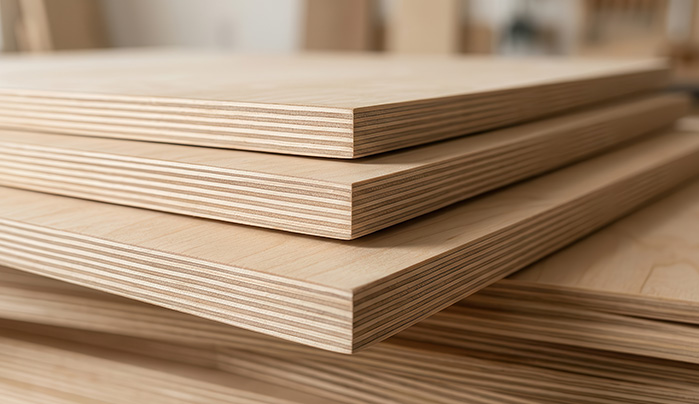
Sites pouring the same element repeatedly need a board that survives several uses without damage. Stripping and re-erecting a form costs less than buying fresh boards each time.
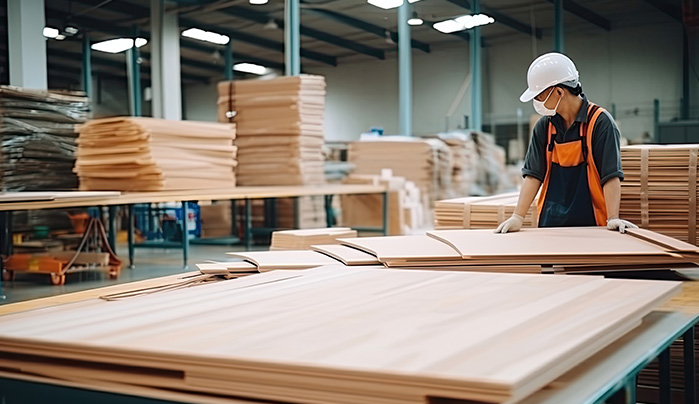
Choose it when the board stays fixed and becomes part of the building permanently, holding weight reliably for years rather than releasing cleanly from a single pour.
Roof decks, floor layers, and wall sheathing all need a board that stays flat, grips fixings firmly, and performs without attention. Formwork plywood was never built for that.
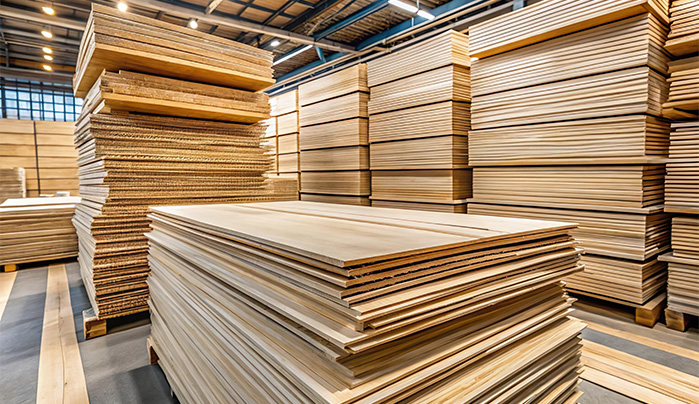
On standard builds, this board forms the base under surface finishes, giving floors a stable surface and roofs reliable backing, carrying load without a break for the building's life.
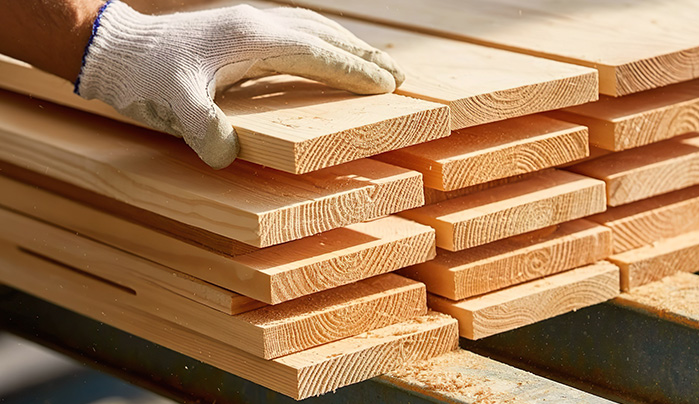
CenturyPly offers plywood solutions for both concrete formwork and permanent construction applications.
The choice comes down to one question: Does the plywood leave the building, or stay inside it? Shuttering plywood holds concrete in shape and exits once the job is done. Construction plywood goes in once and stays for the structure's life. Getting that decision right before the first pour saves material and protects the build's structural integrity.
No, it lacks the moisture resistance and clean-release surface that concrete casting needs. Shuttering plywood is built for that exact surface finish and water exposure.
Yes, it can be stripped and re-erected for further pours if the surface stays undamaged and it is stored properly between uses. How many reuses it gives depends on board quality and site conditions.
Shuttering plywood is temporary, removed once concrete sets, and built for water resistance and clean release. Construction plywood stays fixed permanently and is chosen for long-term strength and stability.
If the board comes off once concrete cures, shuttering plywood is correct for that stage. If it stays in place, carrying load as part of the finished structure, construction plywood is what the project needs.
Loading categories...


