
Consumer
Every time the topic of making a home safer comes up, people almost immediately think of CCTV cameras, smart locks, and smoke detectors.
There is hardly a person who ever pauses to consider the wood in their wardrobe, the panel behind their kitchen cabinet, or the board that constitutes their child's study table. And yet, those are the surfaces that your family uses in its day-to-day life.
Home safety goes far deeper than security systems. It lives in the materials that make up your home, and today, those materials have come a remarkably long way.
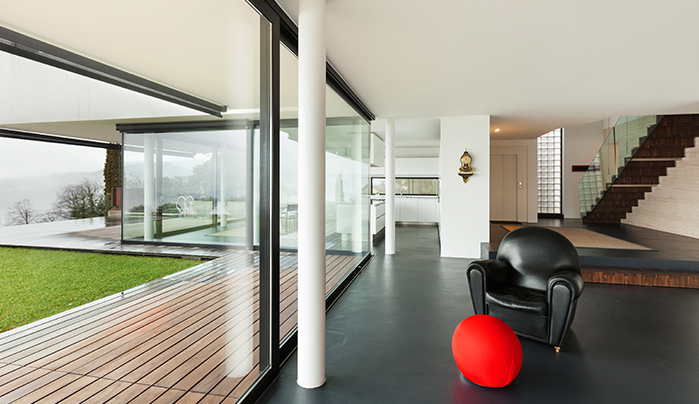
Consider the way your own house is constructed. It is all made up of boards and panels, the furniture, the cabinets, the shelving. We choose most of these materials either because of their appearance or price. However, the most intelligent homeowners are now posing another question: “What actually does this material do to secure my home?”
Modern surface technologies answer that question directly. They are not cosmetic upgrades, or even marketing claims, but rather engineering solutions integrated into the material itself, which work silently in the background even after the carpenter has left.
Before you can appreciate what advanced surface technologies do, it is best to know what your interior is really having to deal with daily:
These are all not hypothetical risks. They are realities of daily life in Indian houses, and the normal materials are just not constructed to accommodate all of them simultaneously.
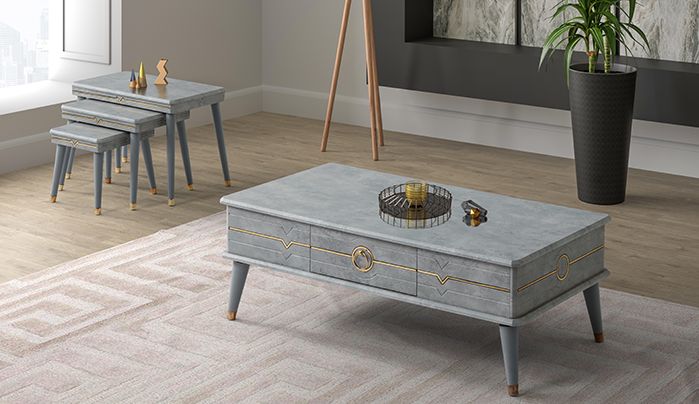
The difference between standard plywood and technologically advanced plywood is not visible to the eye. It is engineered into every layer.
In products like CenturyPly's Club Prime, Firewall Technology is built directly into the plywood during manufacturing, creating a fire-retardant core that slows flame spread and reduces smoke rather than relying on a simple surface coating.
This slows fire spread considerably, reduces smoke output, and enables the panel to self-extinguish once the fire source is removed. It is tested against internationally recognised standards, including BS 476 and ASTM E84.
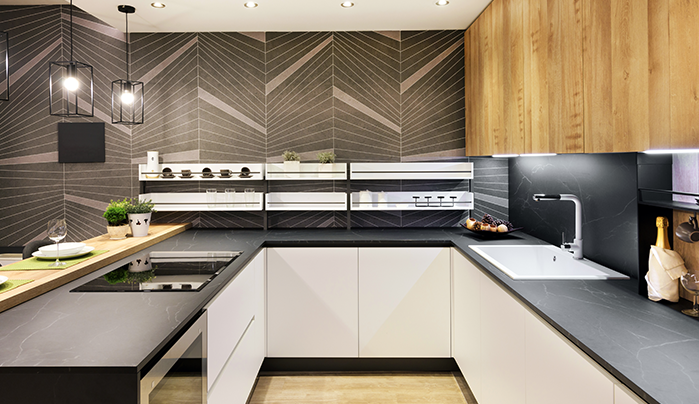
For moisture, Boiling Water Proof (BWP) grade plywood, like CenturyPly's Sainik range, is built to withstand prolonged exposure to boiling water without any delamination or breakdown. That matters a great deal in kitchens and utility areas where steam and moisture are constant companions.
CenturyPly's Glue Line Protection formula makes its boards Borer and Termite Proof, meaning the material does not just deter pests, it actively destroys them on contact. And for hygiene, Virokill Technology (built into both plywood and CenturyLaminates) uses a nanoparticle-based treatment to eliminate 99.99% of microbes on contact, continuously, without any maintenance from your end.
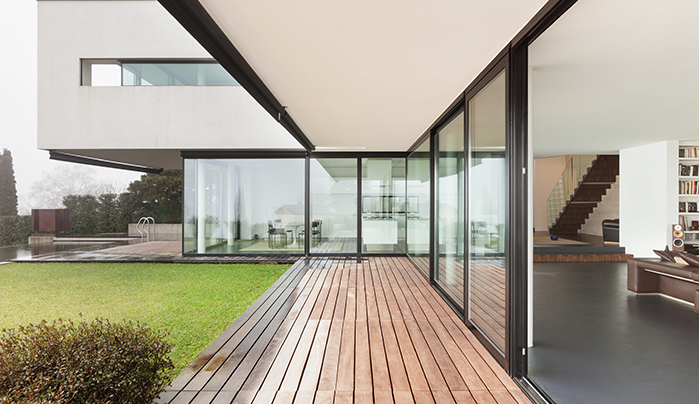
At CenturyPly, these technologies are not selective extras; they are designed into the product from the ground up. Whether you are choosing:
The safety features are already working before the furniture is even assembled. This is the actual change that surface technology has brought to the new home design: you no longer need to have a choice between a house that is appearance-wise nice and one that is actually secure. With the right materials, you get both.
Where to Buy?
Ready to make the switch? CenturyEshop makes the entire process straightforward. Shop directly from our brand, compare products by application and warranty, and get everything delivered to your doorstep. No middlemen, no second-guessing.
The safest homes aren't only with the most gadgets, but also the ones that are built with the right materials from the very start. Fire, moisture, pests, and bacteria are everyday threats, not edge cases.
By choosing plywood and laminates with the right technologies built in, you are making a decision that protects your family quietly, consistently, and for years to come. That is a kind of safety that no alarm system can offer.
Not quite. Plywood with Firewall Technology is fire-resistant, slows down fire spread, produces less smoke, and extinguishes itself once the source has been removed.
No panel made out of wood is fireproof; however, the use of fire-retardant technology can prove to be quite valuable during an emergency.
Ideally before. It is expensive and time-consuming to change material in mid-project once your carpenter has sorted out dimensions and begun sawing boards.
Selecting the correct plywood during the planning phase means that the safety elements are integrated into the furniture at the very first stages, and will not affect the design in any way.
No. That is one of the main benefits of such technologies as Virokill and Glue Line Protection; they are not applied as a protective layer to the material but are built in during the manufacturing process.
No reapplication is necessary, and it does not lose its effectiveness with frequent use or washing.
Loading categories...


