
Consumer
Most homes look good in pictures and magazines, almost like the ones featured in Architectural Digest. Clean surfaces, nice lighting, everything perfectly in place. But living in them every day is a different story altogether.
Kitchens start showing wear. Storage never feels enough. Surfaces lose their finish faster than expected. And suddenly, that “well-designed” space begins to feel harder to maintain than it should be.
That is where the shift in design is happening. It is no longer about choosing between something that looks good and something that works well. Here’s your complete guide about how we balance wellness, utility and aesthetics.
Blending wellness, functionality, and aesthetics sounds pleasing like the ‘one solution’, but in practice, it comes down to small, well-thought-out choices.
A home should support your routine without making it feel mechanical. It should look good without feeling staged. And it should stay comfortable without needing constant fixes or upgrades.
This balance is what defines modern interiors today.
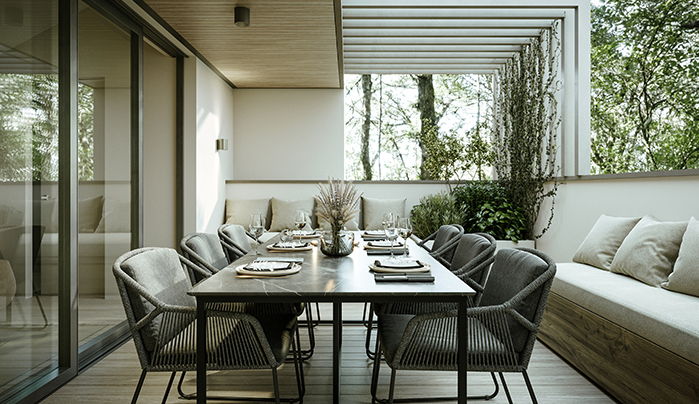
Wellness in interiors does not mean turning your home into a spa. It is subtler than that.
The indoor environment becomes healthier through three factors, which include cleaner indoor air, reduced use of dangerous chemicals and easy-to-clean surfaces. Natural elements such as wood textures, indoor plants and soft finishes create a peaceful atmosphere which requires little to no effort to maintain.
Spaces that allow natural light to flow in feel more open and easier to live in. Even the choice of colours can influence how relaxed a space feels. Big lights, ambient light and lighting temperature as well affect how a space feels.
This is the default essential in every home today. Materials that actively support cleaner surfaces make a noticeable difference, especially in frequently used areas.
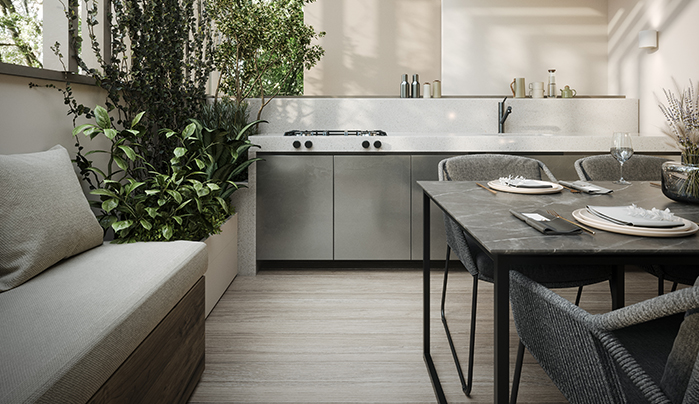
No matter how good a space looks, it still has to function properly and vice versa.
Kitchens deal with heat, moisture, and constant use. Storage units need to handle weight and wear. Bathrooms are exposed to humidity every day. These are not areas where design can ignore performance.
This is where material choice becomes important. The surfaces which protect against water, heat and damage need less maintenance work because of their protective properties. The design remains intact through time because stable structures prevent its deterioration.
Utility today is less visible and more critical. But what good is that if visual aesthetics do not match the vibe of the space? Clients would most likely opt for some other material. Because if a space looks good, it can make you feel the same.
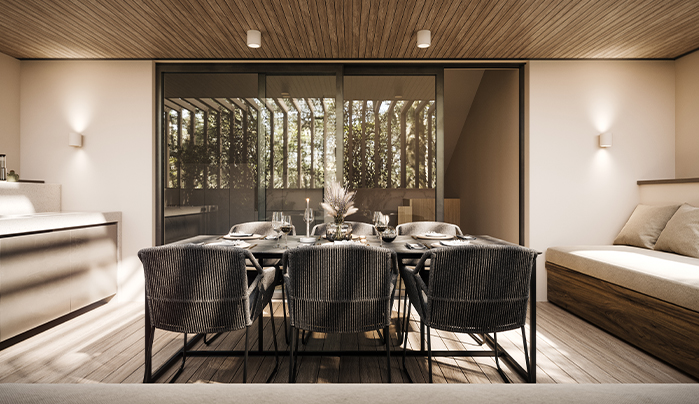
CenturyPly stands out because we offer multiple categories of products. Working as a complete interior system, where plywood, laminates, veneers, boards, and doors all come together to create a space.
We integrate ViroKill technology across our plywood and laminates, using nano-engineered particles that actively eliminate bacteria and viruses on contact. Which means that surfaces like cabinets, closets, and wall panels contribute effectively to maintaining a healthy indoor environment. And since this protection is inside the material itself, it continues to work over time without wearing off.
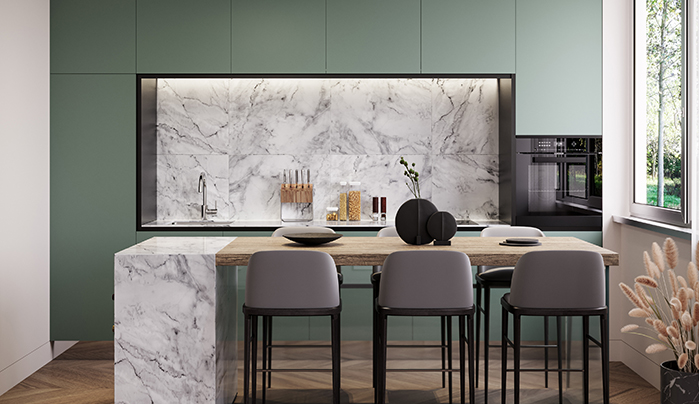
CenturyPly offers a wide spectrum of finishes across its decorative range:
Since these finishes are built on the same reliable core materials, you don’t have to compromise structure for style. The surfaces look refined, but they are backed by durability.
If you’re thinking that your home upgrade would mean choosing between wellness and aesthetics, it won't. A home should feel comfortable, function smoothly, and still look well put together. With the right materials, achieving that balance becomes less complicated too. CenturyPly brings together performance, safety and design flexibility in a way that fits into everyday living without extra effort.
The design process creates spaces which enable people to achieve comfort, maintain their health and experience overall wellness.
By using materials that are durable, practical, and look great! Like our LinerPro premium grade laminates and NatzuraWoods or SenzuraStyles Veneers.
No, materials these days are designed to offer both strength and refined finishes, not at the cost of aesthetics.
Loading categories...


