
Consumer
The right plywood is not the one that is good to look at. If some of your guesses are telling you this, rethink because plywood for your home or project is more about its quality than its looks.
You look for:
There are ample options available in the Indian market. But you need to know how to distinguish between high-quality plywood and cheap alternatives.
Read this blog piece if you are homeowners, architects, or interior designers. It will help you make the right choice.
Let us have a look at the top smart ways to recognise a good quality plywood:
The certifications given below matter in terms of confirming that plywood meets specific standards of quality and safety.
There are fake labels on the market, so you ought to always verify that certifications are real. CenturyPromise is here to help you find real products.
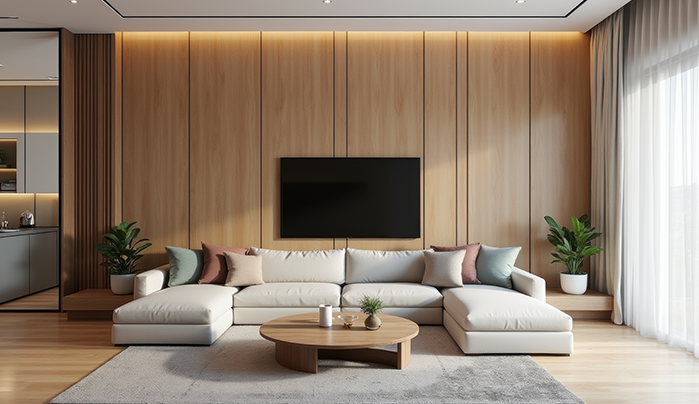
A few aspects are important to look for when you are purchasing plywood:
Red Flags:
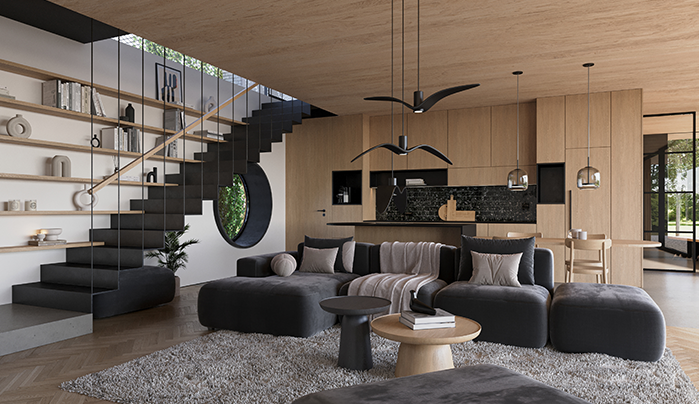
High-quality plywood, like CenturyPly's Sainik MR undergoes rigorous quality checks to ensure uniformity and strength.
You can very easily perform the test:
The fact is that hollow sounds suggest poor bonding between layers. This is a common issue that you will find in low-quality plywood.
For Kitchens and Bathrooms:
CenturyPly offers (Sainik 710) are very suitable for wet areas. These products' designs can withstand high moisture levels.
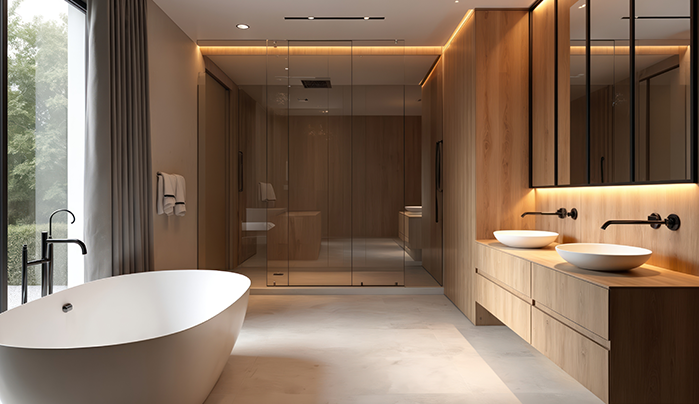
The plywood must have resistance to bending. It should neither crack nor delaminate after or during bending. Also, it should be able to hold a screw tightly without any crumbling of the core.
CenturyPly's Club Prime plywood undergoes 25 stringent Bureau of Indian Standards (BIS) tests. These tests testify to superior durability and strength.
The air content is important around your product:
It is better to opt for plywood with low formaldehyde emissions to ensure a safe and healthy living space.
Brands that have a name and recognition in the market are good options because of:
CenturyPly offers a range of plywood products (Sainik MR, and Club Prime). Each of them fulfills different needs and budgets.
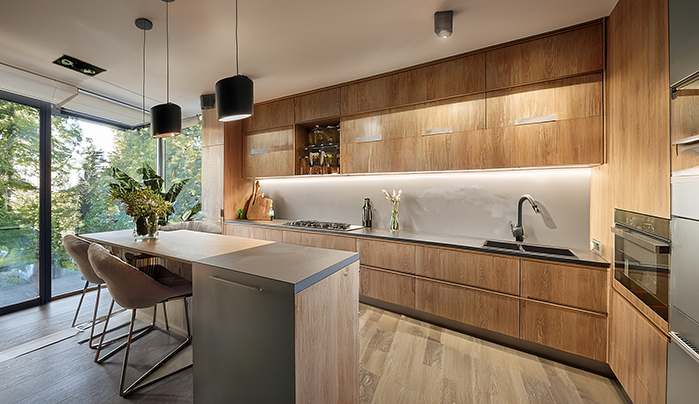
The common grades of plywood are important to know.
| Plywood Type | Full Form / Meaning | Best Use | Moisture Resistance | Key Features |
|---|---|---|---|---|
| MR | Moisture Resistant | Dry areas – living rooms, bedrooms, study rooms | Moderate – not suitable for wet areas | Economical, general-purpose, suitable for furniture and cabinetry |
| BWR | Boiling Water Resistant | Areas with occasional moisture – kitchens, bathrooms | High – resists boiling water and occasional moisture | Durable, prevents warping and fungal growth, suitable for modular kitchens |
| BWP | Boiling Water Proof / Marine Grade | High-moisture areas – kitchens, bathrooms, coastal homes | Very High – water-resistant and waterproof | Superior strength, resists fungal attacks, ideal for bathrooms, outdoor furniture, and coastal environments |
Note: Choose the grade that best suits the specific requirements of your project.
Therefore, you have to keep a check on several things through different trustworthy ways when you are spending money on plywood. Looks are important, but other details are more important in terms of quality. If you are looking for longevity and safety of your furniture and interiors, you must consider:
These are some of the few ways that will help you figure out the real hero among the products in the market. And after all, CenturyPly is there with a range of plywood products that can meet your diverse needs, coupled with high quality and reliability.
You must look for authentic certifications like ISI marks and batch numbers. Check for consistent thickness, smooth surfaces, and a solid tap sound. Stay away from the plywood that gives out hollow sounds and has cracks or surface bubbles.
The IS:710 mark shows that it is marine grade. You can also see if there are any waterproofing specifications. If it is marine grade, it will resist water and fungal growth.
Cheap plywood often has gaps or poorly glued layers. This causes it to become hollow from within. They also warp or delaminate under pressure.
Yes. High formaldehyde levels can affect indoor air quality. Always choose low-emission plywood like E0 or E1-rated boards.
No. MR plywood is not recommended for bathrooms due to high moisture levels. Opt for BWR or BWP plywood for better durability.
Loading categories...


