
Consumer
Urban living spaces have gotten quite enclosed lately, and there is a growing demand for homes that have natural ventilation solutions. At the same time, the demand for privacy has also skyrocketed, and it was believed till recently that both cannot co-exist.
Lack of ventilation causes heat buildup and makes the air humid and stale. This also causes a rise to artificial ventilation options like Air conditioners, which only increase the energy costs in this case. This makes natural ventilation demand skyrocket, and it is what has made louvers a practical and efficient solution.
louvers are coverings that are used on buildings. These facades contain slats that are separated or connected together to make them look and feel distinct. Architects often choose louvers to make a space look lovely since they are versatile and long-lasting. louvers are made from materials like wood and fibreglass. One material that stands out is CenturyPly's WPC Boards.
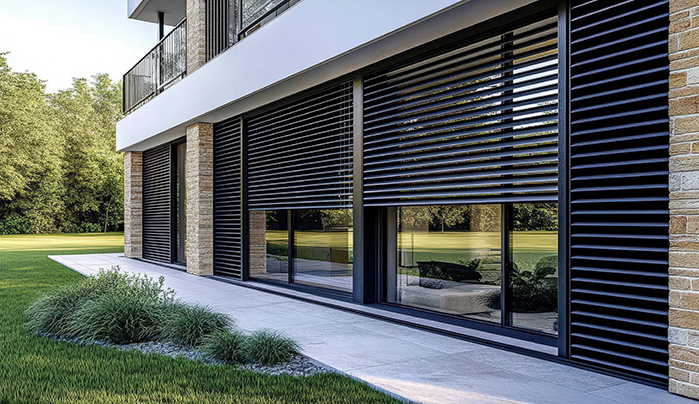
There are many benefits of using louvers in urban homes. They are:
Louvers provide natural ventilation while also preventing dust and debris from coming in. They achieve this thanks to the angled slats that allow continuous air movement. This makes it remove stale air and indoor pollutants, reducing dependency on AC and other mechanical ventilation systems.
Multiple reports suggest that ventilation, especially natural ventilation, allows you to cool your home down significantly. This means you’re creating a comfortable environment indoors while also saving on those electricity bills.
Earlier, it was considered almost impossible for both privacy and airflow to coexist. This is because, if you insisted on privacy, you would end up closing the room much more, while if you wanted ventilation, you would have to keep windows and doors open, which again compromised privacy. With louvers, you get the best of both worlds without sacrificing either.
A major downside of restricted ventilation was that the indoors became quite humid, and, as a result, started smelling bad. Louvers solve that problem completely; due to consistent airflow, the air inside remains fresh, keeping the room smelling good for longer.
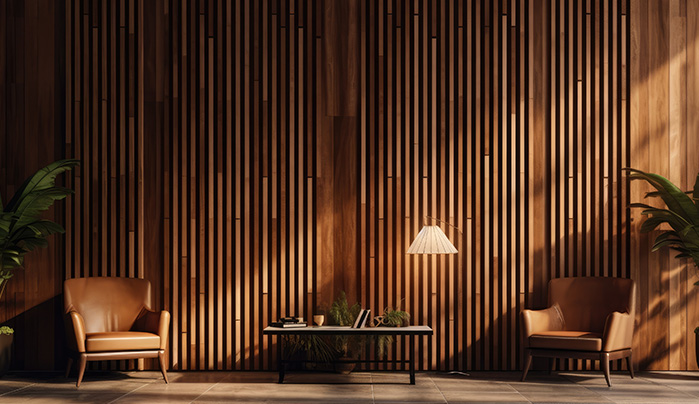
There are more than one type of Louvers that residential spaces generally use. They are;
| Type of Louvre | What It Is | Key Benefits | Things to Keep in Mind | Best For |
|---|---|---|---|---|
| Fixed louvers | Slats are set at a fixed angle and don’t move | Durable, low maintenance, provides constant airflow | No control over airflow or light direction | Areas needing steady ventilation, like utility spaces |
| Adjustable louvers | Slats can be tilted to open or close as needed | Flexible airflow and light control, adaptable to the weather | Slightly more expensive, may need maintenance over time | Living spaces, bedrooms, and balconies |
| Wooden louvers | Made from natural or engineered wood with a classic look | Warm, aesthetic appeal blends well with interiors | Needs proper treatment to handle moisture and humidity | Doors, partitions, wardrobes |
| Metal & Glass louvers | Made from materials like aluminium or glass for a modern finish | Strong, durable, weather-resistant, sleek appearance | Can be costlier; glass needs cleaning for clarity | Exteriors, facades, balconies |
If you’re planning to install louvers in your home, then engineered lower solutions are a smart choice. They provide optimised natural ventilation, precise sun shading, and energy efficiency, as well as high durability with minimal maintenance. These solutions are adaptable and enhance building aesthetics and indoor comfort.
Some louvers also feature motorised, adjustable slats, which can be a very good idea to protect your home against rain and pests, while also improving security.
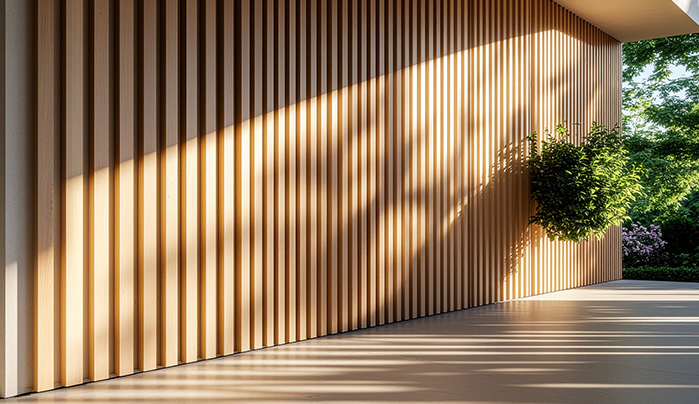
Here at CenturyPly, you get to choose between a variety of lover options like:
All of these options have a wide range of applications and are made using the best-quality materials. They not only last you for a long time, but also blend with any design element of your choice. For example:
There are 10 styles to choose from, including plain colours, wood grains, and stone patterns. The thickness is 1.50mm.
The louver lines and the woodgrain finish work together to generate a layered, tactile texture that neither could accomplish on its own.
The grooves in stone designs make a finish that might otherwise look flat on a furniture surface look three-dimensional.
The whole visual weight of solids lies in the shadow play itself, which is crisp, graphic, and forceful.
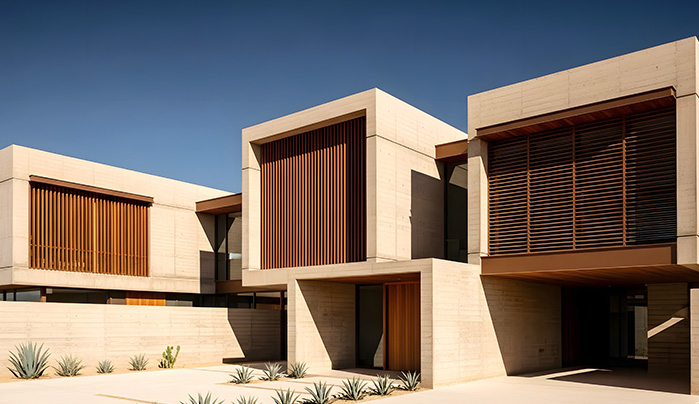
Louvers from CenturyPly can be used in a lot of places in the home. Such as:
| Space / Application | How Louvers Are Used | Impact on Design | Why It Works Well |
|---|---|---|---|
| TV Units & Entertainment Panels | Applied as surface panels around or behind the TV | Frames the television instead of competing with it | Adds depth and focus, especially in minimal or contemporary living rooms |
| Wardrobe Shutters | Used across full wardrobe surfaces | Turns large flat surfaces into design features | Adds texture and character, making wardrobes part of the room’s visual language |
| Kitchen Shutters | Used in louver blinds woodgrain finishes | Creates a warm, crafted kitchen look | Combines natural textures with structured patterns for a premium feel |
| Accent Furniture (Commercial & Hospitality) | Applied on cabinets, dividers, and counters | Creates strong visual statements | Adds architectural depth and a premium aesthetic without overdesigning the space |
Louver designs are gaining popularity day by day. Not only do they give homes an aesthetic appeal, but they also enhance natural ventilation and cool the interior, resulting in significant savings on electricity bills. Additionally, they improve privacy without hindering airflow, and the ventilation controls at CenturyPly better manage odours and moisture. We offer dozens of options suitable for various parts of the home.
Yes, they allow continuous airflow that helps keep indoor air fresh and reduces heat and humidity.
They’re designed to let air pass through while limiting visibility, so you get both privacy and ventilation.
You can use them in wardrobes, TV units, kitchen shutters, partitions, and even accent furniture.
Loading categories...


