
Consumer
The material you pick decides how the finished piece turns out. It decides how easily it can be customised and how it holds up in the space where it is installed. Among the engineered wood options available today, HDHMR boards have carved out a place in modern furniture and interior projects, mainly because they are dense and resist moisture well.
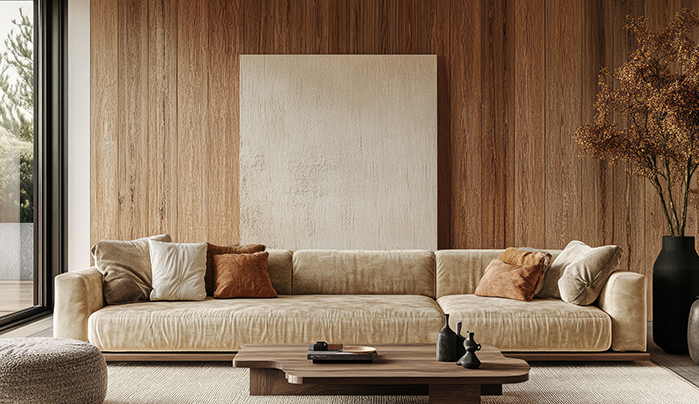
Planning a wardrobe, a cabinet or a modular furniture piece? Knowing what HDHMR is and where it works best makes the selection much simpler. From properties and applications to thickness and finishing options, here's what you should know before you pick one.
HDHMR stands for High-Density High Moisture Resistant. The board is an engineered wood panel, made by processing wood fibres with resin and pressing the mix under controlled heat and pressure. What comes out is dense, uniform and ready for a wide range of furniture and interior applications.
Why does it keep showing up in modern interiors? Density is part of it. So is moisture resistance. Add a smooth surface that takes different decorative treatments and you have a board that fits projects with very different design requirements.
One caveat. How well an HDHMR board performs depends on the product specifications and the application. Moisture exposure, structural requirements and the type of finish all need a look before you decide.
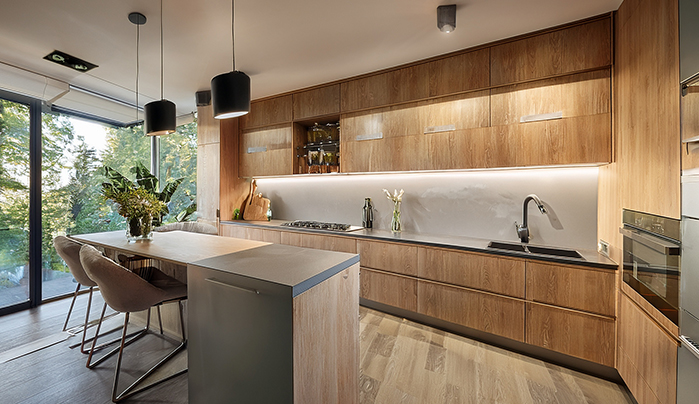
The process is fairly direct. Wood fibres are processed, blended with resins and then compressed under heat and pressure until the mix forms one compact, fairly uniform panel.
This is what gives HDHMR boards the traits furniture makers care about:
Not every board performs the same, though. Raw materials, the manufacturing process and quality standards vary from maker to maker, so read the specifications and recommended applications of the exact product you're considering.
HDHMR boards get picked for a simple reason: they are practical without giving up on looks. Depending on the product and where it is used, these are the features that matter:
High density: The dense composition gives the board a compact structure, which is useful across all kinds of furniture applications.
Moisture resistance: These boards are built to resist moisture. That makes them a sensible pick for spaces where humidity or occasional moisture is part of daily use.
Smooth surface: The uniform surface works as a clean base for laminates, paints and veneers. The engineered construction also keeps the panel consistent, which helps when furniture components need precise dimensions.
Finishing flexibility: HDHMR can be customised to achieve different colours, textures and design styles. Wardrobes, cabinets, loose furniture, wall panelling; it adapts to most interior requirements.
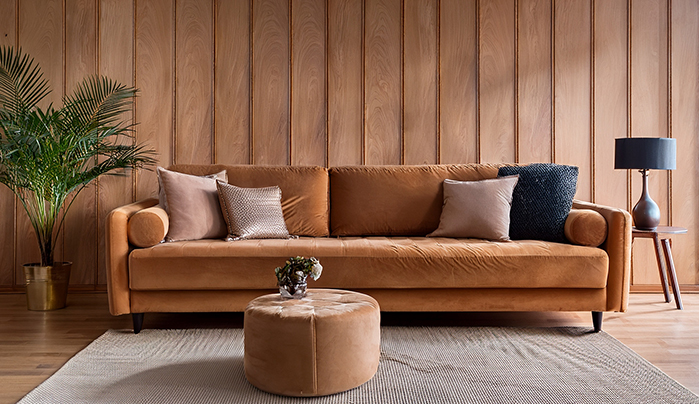
HDHMR boards fit into a wide range of furniture and interior projects. Here are the usual ones.
HDHMR suits selected kitchen components where its surface and moisture resistance line up with the job. Areas that face frequent or direct water contact are a different matter. Check those carefully against the product's specifications and recommended use before committing.
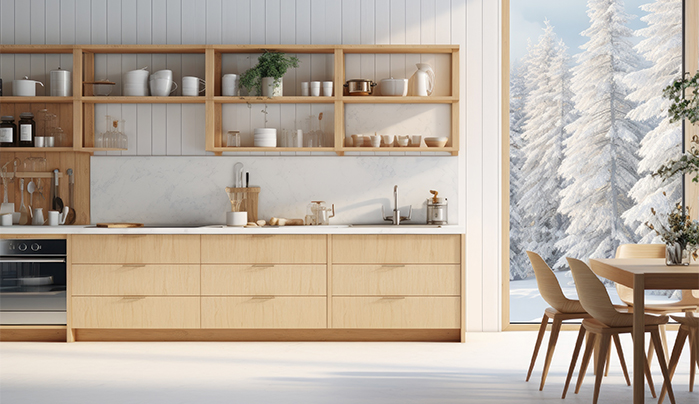
Wardrobe shutters need a smooth, consistent surface and that's exactly what HDHMR offers. The boards take different decorative finishes, so the wardrobe can be matched to the rest of the interior.
Cabinets and storage furniture are common applications, whether the setting is a home, an office or a commercial space.
Desks, tables, storage units and similar pieces can all be built with HDHMR, as long as the design accounts for the structural requirements of each one.
The board's smooth surface lends itself to decorative wall panelling and other interior features where a customised finish is the whole point.
Begin with the application. Where will the board be installed, how will it be used and what conditions will it face? Answer those first. The material choice becomes much easier after.
Consider moisture exposure: Humidity, occasional moisture and direct water contact are three different situations. Figure out which one applies, then pick a product suited to it.
Check the required thickness: The dimensions of the component, its design and the load it is expected to carry all influence the thickness you need.
Review product specifications: The manufacturer's technical information and recommended applications tell you what the board was actually made for. Read them before deciding.
Choose a reliable manufacturer: Consistent manufacturing and quality standards make a real difference to how engineered wood products perform.
There's no single thickness that covers every HDHMR application. What works depends on the size of the component, how it will be supported and the structural demands placed on it. Thinner boards can handle certain shutters and decorative panels. Thicker ones make sense where greater rigidity is needed. Either way, let the specific design and the manufacturer's recommendations settle it.
Finishing is where HDHMR gives you options. Depending on the design, you can go with:
HDHMR furniture doesn't demand much. A few habits are enough:
The board you choose shapes how the finished furniture looks in your interior and how well it holds up. HDHMR makes a strong case for itself here, combining high density and moisture resistance with the flexibility to suit all sorts of applications.
The real skill is matching the product to the place it will be used. Weigh the moisture exposure, the thickness required, the structural needs and the finish you want and only then make the call.
HDHMR stands for High-Density High Moisture Resistant. The term refers to an engineered wood panel made by pressing processed wood fibres and resin together under controlled heat and pressure.
HDHMR boards are used for wardrobes, cabinets, furniture, wall panelling and selected kitchen components. The exact application depends on the product's specifications and its intended use, so match the board to the job before buying.
HDHMR boards are designed to resist moisture and that is one of their main draws. Suitability still depends on the level and type of exposure involved. Occasional humidity is one situation; frequent or direct water contact is quite another. The manufacturer's recommendations for the intended application are the safest guide.
HDHMR boards take paint and laminate well. The smooth, uniform surface also supports veneers and similar finishes, which is why the board turns up in so many decorative applications.
HDHMR board thickness should follow the application. Look at the dimensions of the component, the design, the support structure and the load it will carry, then check the manufacturer's recommendations for that use.
Loading categories...


