
Consumer
From spice racks to cabinet doors to accent walls, little is accomplished around your space without precise plywood with clean finishes. But when you’re turning to furniture-building for the first time, the variety might throw you off course. It’s valid to wonder where calibrated plywood vs regular plywood fit into that equation.
The basics tell you that plywood is manufactured through a multi-step process.
Some retain their shape and health in the presence of moisture, while others may lose strength easily. Some are engineered to be uniform, while others may need fine-tuning. In this article, we focus on how calibrated plywood compares to regular plywood, and vice versa.
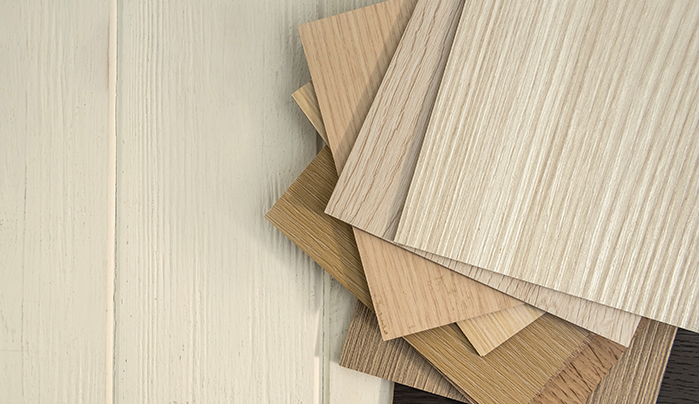
Let’s start from scratch.
Traditional or regular plywood is built through a simple process. Wood veneers are glued together and pressed before they hit the market. Sheets may differ in thickness and come with a standard mill finish. The sanding process is entirely skipped for these materials. Their general applications are limited to packing crates, temporary structures, or unglamorous storage.
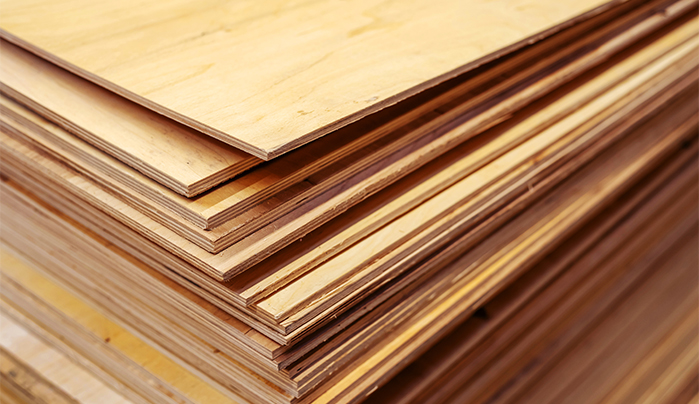
Calibrated plywood is basically regular plywood with the necessary makeover. For starters, sanding isn’t skipped during its manufacturing.
Quality timber logs are handpicked from among hardwood resources. The resulting veneers peeled from these logs are glued together with high-strength adhesives and then mechanically pressed.
As the adhesive flows across sections, the plywood gains structural strength. Calibration machines are then used to sand the pressed plywood sheet on both sides and ensure the wood is uniformly thick. This is precisely where calibrated plywood deviates from regular or non-calibrated plywood.
Here are the benefits you stand to gain:
Mechanical sanding ensures that every side of every sheet has uniform thickness, is well built, and retains structural strength.
The calibration step eliminates microvariations. It creates a surface you can easily glide your hand over, offers better bonding, and poses no surface risks.
Little to no variations in thickness or adequate surface finishes reduce the workload for on-site architects and engineers. They can get to the design bit right away.
Calibrated plywood is better suited to the aesthetic needs of modern homes. It can be applied to modular kitchens, minimalist washrooms and sleek commercial spaces.
It’s calibrated plywood you spot in stores, hospitality spaces, modern workplaces, and timber-based homes. Widely adopted due to its refined appearance and versatility, you can apply it to:
It’s no longer enough for your kitchen cabinets to resist moisture and warping. They also need to look good and align perfectly with adjacent furniture. Calibrated plywood comes in varying thicknesses and with diverse finishes. No angle or piece of wood sits out of place in your cooking space.
Imagine you’re putting an A4-sized paper with jagged, uneven edges into an A4-sized folder. Depending on the edge length, the paper may get crumpled along the sides or fit too easily into the actual folder. Either way, it’ll be misaligned. Sliding panels, shutters and doors work in a similar fashion. Sanding in calibrated ply ensures smooth movement.
Workstations for offices and commercial spaces cannot be unique. When every piece of ply coming in is different, it increases the workload of on-site workers. Calibrated plywood is designed to deliver the flawless thickness it promises. This makes furniture production and installation easy for large projects.
The most impressive pieces of furniture in your space need to be designed well. Engravings, patterns, laminates, and veneers do not sit well with non-calibrated plywood. Uneven thickness and microvariations can also ruin a good aesthetic. In contrast, calibration ensures that your artistic wardrobes and bedroom integrations create a charming living experience.
Here’s a table differentiating calibrated & regular plywood for easy decision-making:
| Parameter | Calibrated Plywood | Regular Plywood |
|---|---|---|
| Surface & Thickness | Smooth and uniform surface with controlled thickness | Uneven surface with thickness variations |
| Flatness | Flatter due to sanding and calibration | Usually warped due to lack of calibration |
| Finish | Does not need surface correction or rework | Needs heavy surface correction |
| Best For | Premium furniture building and applications | General-purpose construction and minor applications |
| Price Point | More expensive than regular plywood | Low |
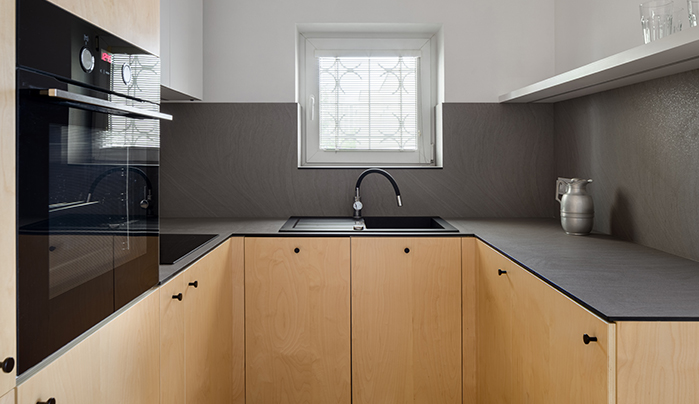
Sourced ethically, manufactured with precision, and carrying uniform thickness, CenturyPly’s plywood sheets are designed to offer quality assurance. Whether it’s a minor renovation or a high-investment building project, every plywood sheet offers a slew of cutting-edge features:
Select plywood products such as CenturyPly Club Prime also come with our unique Total Cover Warranty. Its protection goes beyond the 30-year warranty and safeguards you from furniture-related costs that arise in the first 10 years after purchase.
Families and corporations need furniture that is safe, sleek, and easy to install. Splinters and uneven thickness on the exposed side of the plywood don’t just make for unimpressive furniture but also become a hazard. That’s why a calibrated plywood vs regular plywood comparison becomes important.
Remember to run a few quick checks.
A high-quality calibrated plywood is a decision toward the stability of your surroundings. A carefully thought-out pick beats a budgeted one.
The CenturyPromise app enables buyers to verify the authenticity of calibrated plywood before purchase. Simply scan the QR code and access the details of the sheets you want to buy. You can also download e-warranties on the app.
Do not end up bringing home an MR-Grade plywood for application in dry areas. Focus on quality and features, not the price tag alone. Avoid skipping a manual check for internal gaps on the sheet.
Non-calibrated plywood does not serve as a good alternative. MDF, HDF or blockboards may be better suited to long-term usage and modern furniture needs.
Loading categories...


