
Consumer
When selecting plywood for home interiors, factors such as appearance, durability, and water performance often receive the most attention. However, plywood strength also depends on how well it performs under different types of stress. One important property is tensile strength.
Understanding tensile strength can help homeowners, architects, and interior designers make more informed decisions when choosing plywood for furniture and other applications.
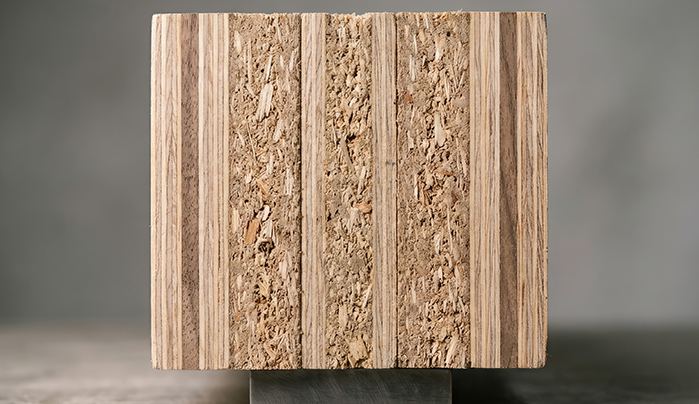
In simple terms, tensile strength in plywood refers to its ability to withstand pulling and stretching forces without breaking.
Plywood is made by bonding multiple thin layers of wood, known as veneers, together. The strength of this bonding plays an important role in how the plywood performs when subjected to tension.
A tensile strength test evaluates how strongly the veneer layers resist separation when a pulling force is applied. Stronger tensile performance helps maintain the internal bonding of the plywood and supports its structural integrity under stress.
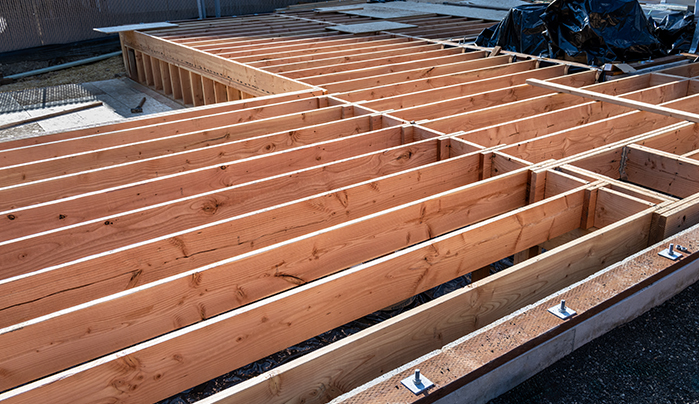
Tensile strength is an important part of overall plywood performance because plywood can experience different types of forces during manufacturing, installation, and everyday use.
Strong tensile performance can help:
For furniture such as wardrobes, cabinets, shelves, and other interior applications, these properties can contribute to long-term performance.
Tensile strength is evaluated by applying a pulling force to a plywood sample and measuring how much force it can withstand before the internal structure begins to fail.
According to the source, the Indian Standard benchmark for plywood tensile strength is 84.5 N/mm².
CenturyPly Club Prime is engineered with superior bonding technology and enhanced structural integrity and is stated in the source to pass the Indian Standard tensile strength requirement.
This highlights the importance of strong bonding and consistent manufacturing quality when evaluating plywood.
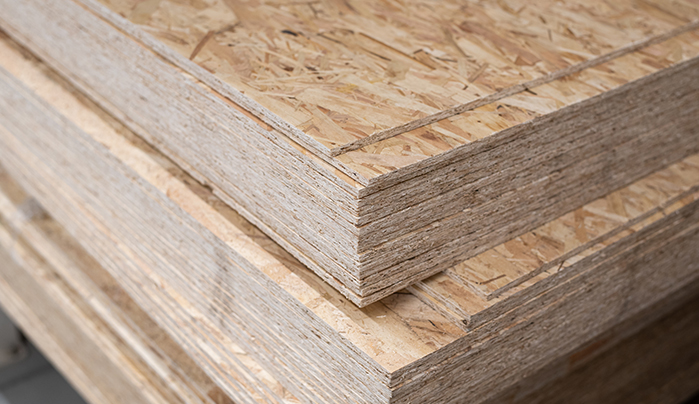
When selecting plywood for your home, consider the following:
Good manufacturing quality can help reduce the likelihood of product-related issues. However, an additional layer of protection can provide greater peace of mind.
Total Cover is India's first comprehensive warranty commitment on plywood. If a covered defect is confirmed on a plywood registered within Total Cover, within the first 10 years from the date of purchase, CenturyPly will reimburse the cost arising from that defect, including plywood, laminates or veneers, adhesives, labour, transportation, etc.
To avail benefits of Total Cover, register your purchase on https://www.centuryply.com/totalcoverwarranty within 90 days of purchase.
It is important to understand that the Total Cover Warranty does not increase the tensile strength of plywood or prevent product failure. It is an additional protection programme for eligible products and covered manufacturing defects, subject to the applicable warranty terms and registration requirements.
Tensile strength in plywood is an important measure of how well plywood withstands pulling and stretching forces. It also provides an indication of the strength and stability of the bonding between veneer layers.
By considering applicable standards, bonding quality, manufacturing processes, and the intended application, homeowners and professionals can make a more informed plywood choice. Combining good product quality with appropriate warranty protection can provide greater confidence in the long-term performance of your furniture.
Loading categories...


