
Consumer
When building or renovating a home, durability is key to creating long-lasting furniture. However, water, heat, and moisture can put plywood under significant stress. Without proper product selection and manufacturing quality, a problem known as plywood delamination can occur. Understanding what causes delamination and how to prevent it is important for homeowners, architects, and contractors.
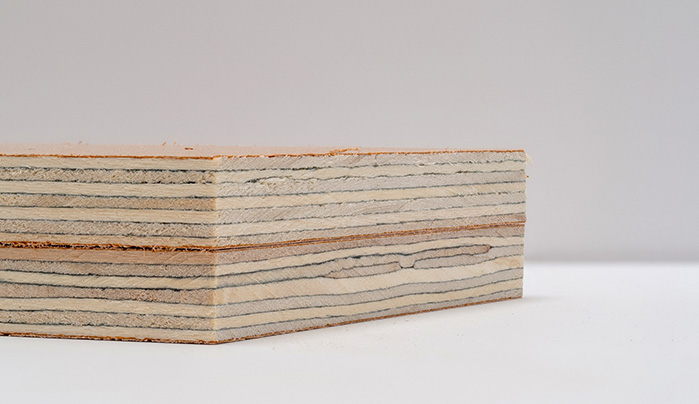
Plywood is made by bonding thin layers of wood, known as veneers, together. Plywood delamination occurs when these veneer layers begin to separate from one another.
When delamination occurs, it can affect the strength, durability, and overall performance of the plywood. Visible signs may include layers separating, peeling edges, or gaps developing between the veneer layers.
Delamination can occur when plywood is exposed to demanding conditions or when the bonding between its layers is inadequate.
Knowing how to prevent plywood delamination starts with choosing the right plywood for the intended application and considering its manufacturing quality.
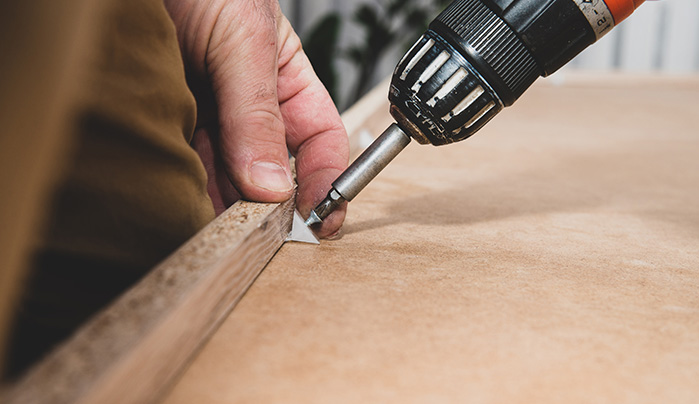
For applications where plywood may be exposed to water and heat, choosing BWP plywood can be an important consideration. IS:710 plywood is BWP (Boiling Waterproof) plywood, designed to withstand demanding conditions involving prolonged exposure to boiling water.
The 72-hour boiling-water test is an important benchmark associated with IS:710 BWP plywood. During this test, plywood is exposed to continuously boiling water to evaluate its ability to withstand prolonged exposure without delaminating.
CenturyPly Club Prime is stated in the source to go beyond this benchmark. It is stated to withstand continuous boiling conditions for up to 10 days without delaminating.
Choosing IS:710 BWP plywood can therefore be an important consideration when selecting plywood for applications where exposure to water and heat is expected.
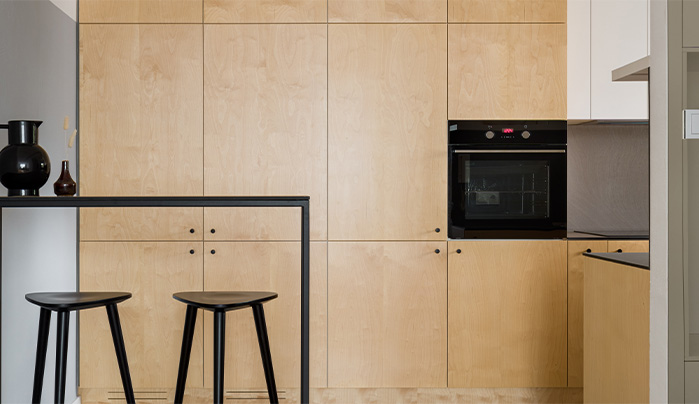
Even with good-quality materials and manufacturing processes, a covered manufacturing defect may occur in rare cases.
This is where the CenturyPly Total Cover Warranty provides an additional layer of protection. If a covered defect is confirmed on a plywood registered within Total Cover, within the first 10 years from the date of purchase, CenturyPly will reimburse the cost arising from that defect, including plywood, laminates or veneers, adhesives, labour, transportation, etc.
To avail benefits of Total Cover, register your purchase on https://www.centuryply.com/totalcoverwarranty, within 90 days of purchase.
In simple terms, good product quality helps reduce the risk of plywood-related problems, while warranty protection provides additional support in case of an eligible covered manufacturing defect.
Preventing plywood delamination starts with understanding its causes and choosing plywood that is appropriate for the intended application. Factors such as bonding quality, manufacturing standards, and the right product specification can all play an important role.
For applications where exposure to water and heat is expected, IS:710 BWP plywood can provide greater confidence in the plywood's ability to withstand prolonged boiling-water exposure. Additional protection such as CenturyPly Total Cover Warranty can further support customers in case of an eligible covered manufacturing defect, subject to the applicable Terms & Conditions.
Loading categories...


