
Consumer
Walk into any beautifully designed living room today, and there is a good chance veneer is doing all the heavy lifting. That warm wardrobe finish catching the evening light. The elegant wooden panel behind the television. The dining table that looks expensive without feeling bulky. Most people admire the final look without realising what creates it.
And that is the interesting thing about veneers. They do not scream for attention, yet they completely shape how furniture feels inside a space. But veneers are not just one thing. Different types behave differently. Some work beautifully for statement furniture. While others suit compact apartments better. So before choosing furniture finishes blindly from catalogues, it helps to understand what veneers really are and where they actually work best.
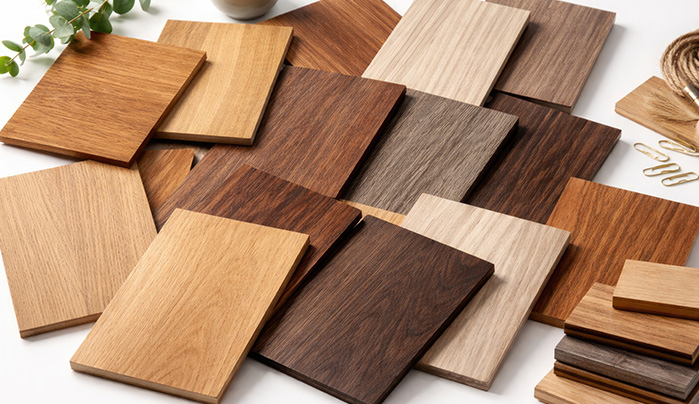
At CenturyPly, we believe you should not have to choose between aesthetics and money. Both can go hand in hand, which is where veneers enter the picture.
A veneer is a very thin layer of real wood fixed over a stronger base material, usually plywood or MDF. The surface you see is natural wood, which means the grains, texture, and patterns are completely authentic. That is why veneer furniture looks warm and natural compared to printed finishes. The idea is simple. Instead of using thick solid timber everywhere, manufacturers use thin wood slices to achieve the same visual richness more efficiently. This approach offers several advantages:
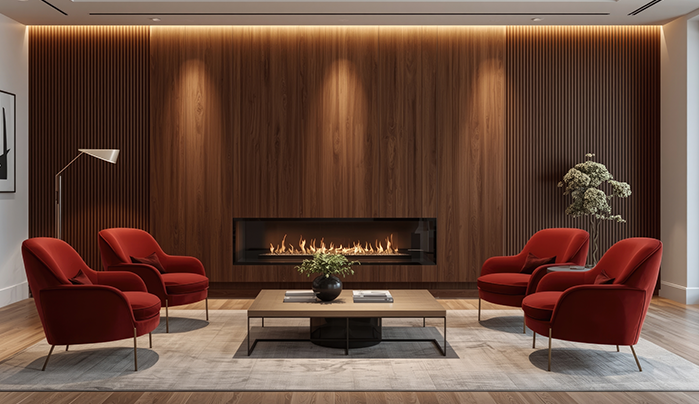
The process behind veneers is more detailed than people usually expect. It starts with selecting quality timber logs because the grain pattern depends completely on the original wood itself. After that, the logs go through softening treatments using steam or controlled heat. This helps create smooth slicing later. The process generally follows these steps:
Every veneer sheet naturally turns out slightly different. That natural variation is exactly what gives veneer furniture its charm later.
Different interiors require different veneer styles. Some people prefer dramatic grains while others want softer modern finishes. Here are the most commonly used veneer types:
| Veneer Type | Characteristics | Best Used For |
|---|---|---|
| Natural Veneer | Real wood patterns with unique grains | Luxury furniture, wall panels |
| Reconstituted Veneer | Engineered uniform appearance | Contemporary interiors |
| Raw Veneer | Unfinished sheets for custom work | Personalised furniture |
| Paper-Backed Veneer | Flexible and easy to bend | Curved furniture surfaces |
| Wood-on-Wood Veneer | Extra durability with layered backing | Heavy-use furniture |
One interesting detail many homeowners miss completely is veneer cutting style. The way timber is sliced directly affects the grain pattern visible later on furniture. And surprisingly, this changes the personality of a room quite a lot. For example, plain sliced veneers usually feel warmer and more traditional, while rift cuts suit cleaner modern apartments beautifully. Interior designers often choose veneer cuts very intentionally depending on the overall aesthetic direction. Here are some of the veneer cutting styles:
| Cutting Style | Grain Appearance | Interior Style |
|---|---|---|
| Rotary Cut | Wide flowing grains | Bold and expressive |
| Plain Sliced | Natural cathedral patterns | Warm and timeless |
| Quarter Sliced | Straight grain lines | Formal and clean |
| Rift Cut | Uniform subtle texture | Modern minimal spaces |
This comparison confuses almost everybody during furniture shopping. At first glance, all three may look similar. But in practical usage, they behave very differently.
| Feature | Veneer | Laminate | Solid Wood |
|---|---|---|---|
| Surface | Real wood | Synthetic finish | Natural wood |
| Appearance | Rich and natural | Uniform and printed | Luxurious and authentic |
| Cost | Moderate | Budget-friendly | Expensive |
| Maintenance | Moderate | Very low | High |
| Durability | Good | Very durable | Depends on maintenance |
| Texture | Natural grains | Artificial feel | Natural grains |
There is a reason veneers continue staying relevant despite so many newer surface materials entering the market.
Since veneers use real wood, every veneer sheet carries genuine grain patterns and textures. That authenticity feels difficult to replicate artificially.
Unlike solid timber, veneers attached to engineered boards resist expansion and shrinking more effectively.
You get the appearance of premium wood without paying full solid wood prices.
Veneers work beautifully with:
Because thin wood slices are used efficiently, veneers help reduce excessive timber consumption compared to solid wood furniture manufacturing.
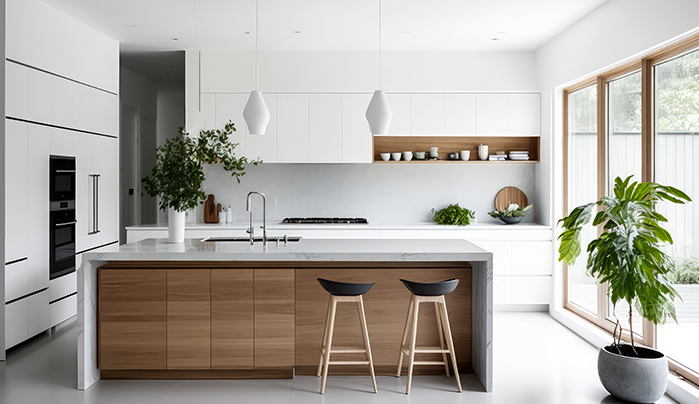
Veneers are extremely versatile, which explains their popularity across modern interiors. They work beautifully for:
Used commonly for:
Veneers add warmth without making spaces feel visually heavy.
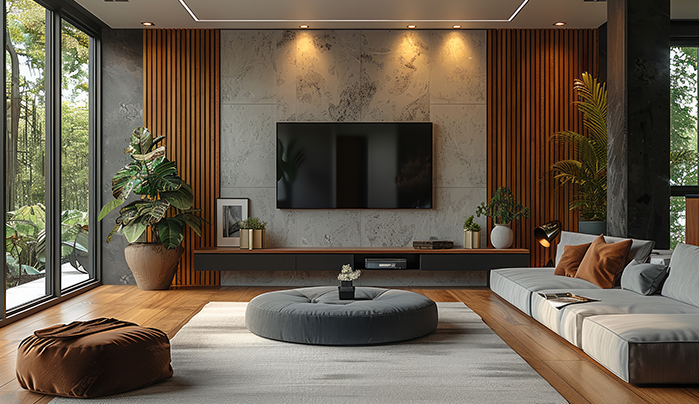
Popular for:
Wood grains create a calm and cosy atmosphere naturally.
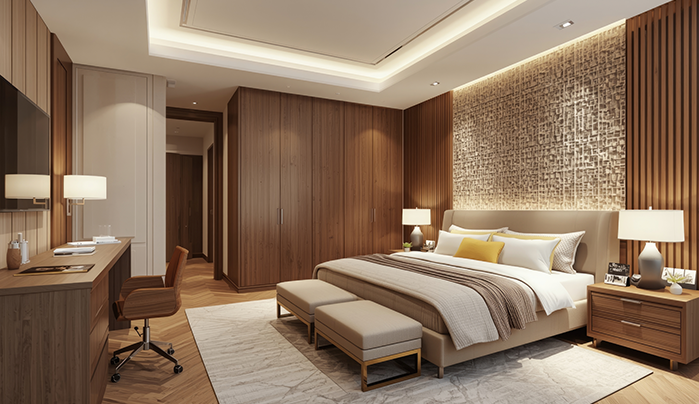
Dining tables with veneer finishes feel elegant while remaining easier to maintain compared to pure solid wood.
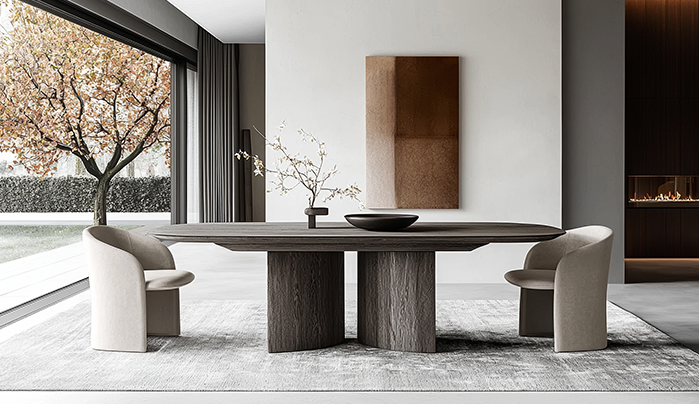
Modern office interiors frequently use veneers because they look professional without appearing cold or overly industrial.
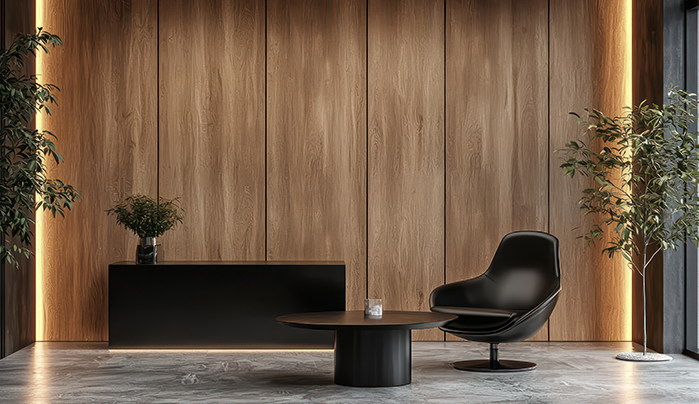
Veneers offer the perfect balance of beauty, durability, and practicality for furniture. They bring the rich appearance of natural wood without the high cost or maintenance concerns of solid timber. Whether you prefer timeless natural grains or modern engineered finishes, veneers make it easy to create elegant and long lasting interiors for every space in your home.
In many ways, yes, and in some ways even more so. When veneer is bonded to a plywood substrate, the result is actually more stable than solid wood. It's less likely to warp or crack, particularly in spaces where humidity tends to rise and fall.
Natural veneers like NatzuraWoods come straight from veneer for furniture real timber logs, so every sheet looks a little different. That uniqueness is part of the appeal. Reconstituted veneers like SenzuraStyles are engineered from plantation wood, so the pattern stays consistent across large surfaces, which makes them ideal when uniformity matters.
Absolutely. Flexible and paper-backed veneers can be applied to curved and uneven surfaces, which is something solid wood just can't do.
Loading categories...


