
Consumer
Laminate vs veneer, which one should you actually choose? Most people decide this based on looks. A warm wood finish feels rich. A sleek laminate feels modern. The choice often happens quickly, guided by samples, moodboards or a carpenter's suggestion.
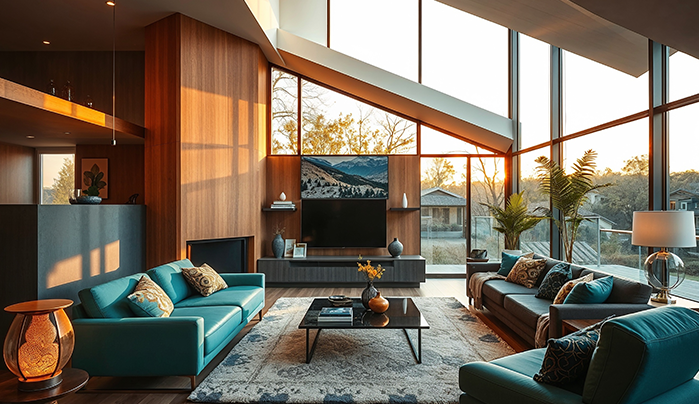
But surfaces behave very differently. Once they move from a display rack into your home. Cleaning, moisture, sunlight, scratches, and constant handling slowly reveal what each surface can truly handle. In Indian homes where furniture and interiors are used heavily, this difference matters more than most people realise. What looks good one day does not always stay that way. In this guide, we will help you understand how these materials behave in real homes, not just in catalogues. This will help you choose what actually fits your space.
Laminates are engineered surfaces. They are made for predictability. You know what you are getting, and you know how it will behave.
Manufactured under controlled conditions, laminates are built by compressing layers of paper and resin under high pressure. The decorative layer on top provides colour and texture, while the inner layers give it strength and stability. The result is a surface that remains consistent across large areas and over time.
In practical terms, this means laminates do not react easily to moisture or heat. They handle daily wear quietly. Oil splashes, water droplets, and routine cleaning do not leave a lasting mark. This is why laminates dominate functional spaces such as kitchens, wardrobes, utility cabinets, and office furniture.
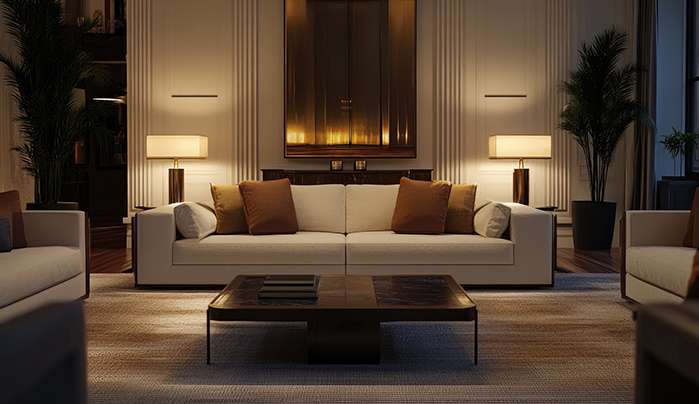
CenturyPly laminates, in particular, are developed keeping Indian usage patterns in mind. Kitchens that run from early morning to late night. Storage units that are opened and closed repeatedly. Homes where cleaning is regular, not delicate.
The strength of laminates lies in how little attention they demand after installation. They are not meant to age visibly. They are meant to stay out of the way and simply work.
Veneer enters the conversation from a completely different place. It is not engineered to disappear into the background. It is chosen to be seen.
Veneer is real wood, sliced thin and applied over a base surface. Because it comes from natural timber, no two veneer sheets are exactly alike. The grain varies. The tone shifts slightly. Knots and patterns appear organically. For many homeowners, this is exactly the appeal.
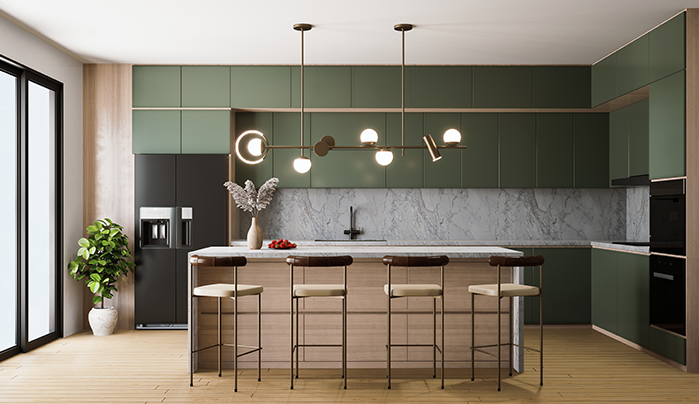
Veneer brings warmth that manufactured surfaces cannot fully replicate. It makes furniture feel substantial and lived-in. Over time, veneer develops a character that feels personal rather than uniform.
However, this natural beauty comes with responsibility. Wood reacts to its environment. Moisture, heat, and harsh cleaning agents can affect veneer if it is not properly protected. Polishing and finishing play a big role in how long the veneer maintains its appearance.
CenturyPly veneers are known for quality control and finish consistency, but even then, veneer remains a material that expects care in return for its beauty.
| Basis of Comparison | Laminates | Veneers |
|---|---|---|
| Material nature | Engineered surface made using layers of paper and resin | Natural wood sliced into thin sheets |
| Visual consistency | Uniform colour and finish across all panels | Natural variation in grain, shade, and pattern |
| Resistance to moisture | Highly resistant when installed correctly | Sensitive to moisture if not properly sealed |
| Performance in kitchens | Very suitable for heavy, daily Indian cooking | Better for limited or dry kitchen areas |
| Maintenance effort | Low maintenance, easy daily cleaning | Requires careful cleaning and periodic polishing |
| Reaction to heat | Handles moderate heat without visible damage | Can warp or discolour with heat exposure |
| Scratch visibility | Minor scratches are less noticeable | Scratches are more visible on natural wood grain |
| Ageing over time | Retains original look for years | Develops patina, may darken or change tone |
| Repair and refinishing | Cannot be refinished once damaged | Can be sanded and refinished to some extent |
| Installation complexity | Faster and more straightforward installation | Requires skilled finishing and polishing |
| Cost predictability | More budget-friendly and predictable | Higher initial and maintenance costs |
| Suitability for busy homes | Ideal for high-use, fast-paced households | Better suited for controlled, low-wear spaces |
Let us understand what works best in these three areas:
Indian kitchens are demanding spaces. Heat, steam, oil, water, and constant activity are part of everyday cooking. Surfaces here are not decorative accents. They are work surfaces.
Laminates perform exceptionally well in kitchens because they are designed to handle these exact conditions. They resist moisture, tolerate frequent wiping, and do not require special cleaning products. This makes them ideal for shutters, cabinets, and storage units.
Veneer can be used selectively in kitchen spaces, usually away from direct heat and water. But using veneer extensively in kitchens often leads to higher maintenance expectations than many households anticipate.
For this reason, most modern kitchens rely primarily on laminates, sometimes paired with veneer accents for visual warmth.
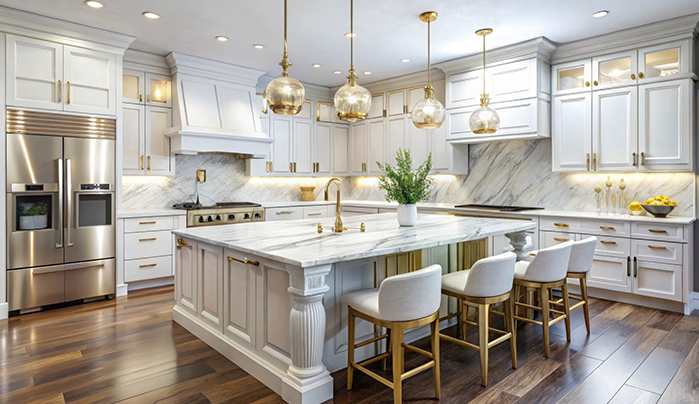
Wardrobes are another area where laminates prove their value. These surfaces are touched daily. They are exposed to dust, friction, and regular cleaning. Laminates handle this quietly, without changing appearance.
Veneers in wardrobes create a more luxurious feel, especially in master bedrooms. But they are better suited for spaces where humidity is controlled, and cleaning is gentle.
Many homeowners now mix materials. Laminate interiors for durability and veneer or textured laminate exteriors for aesthetics. CenturyPly’s range makes this combination practical rather than complicated.
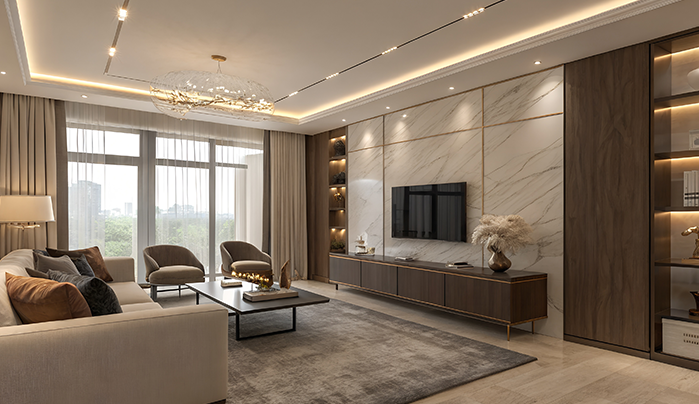
Furniture is where veneer often shines brightest. Dining tables, headboards, wall panels, and statement cabinets benefit from the depth and warmth of real wood.
These are pieces that are admired rather than constantly scrubbed. They are part of the visual identity of the home. Veneer suits these roles well.
Laminates are also used in furniture, especially where cost control and uniformity are important. Modern laminate finishes now offer wood-inspired textures that work well when natural variation is not essential.
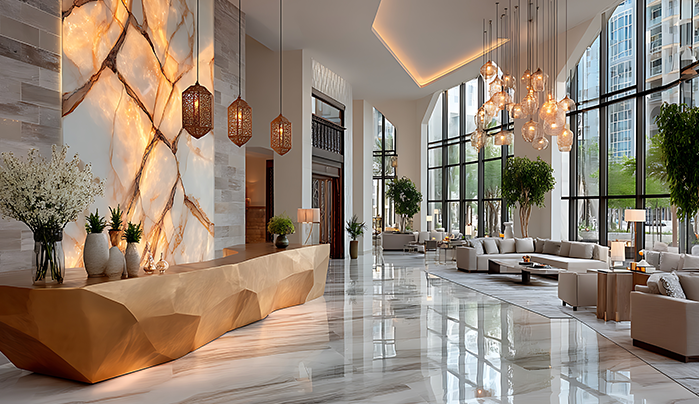
Cost is not just about the material itself. It includes installation, finishing, and long-term maintenance.
Laminates are generally more affordable and predictable in pricing.
Veneers cost more initially and may involve additional finishing processes such as polishing or coating. Over the years, maintenance adds to the overall investment.
This does not make veneer expensive by default. It simply makes it better suited for selective use rather than blanket application across the home.
Laminates suit fast-paced households: Homes where surfaces are used heavily, and cleaning needs to be quick and effective.
Veneers suit homes where there is time and willingness to care for surfaces. Where the homeowner values natural ageing and does not mind occasional upkeep.
Neither of the choices is wrong. The mismatch happens when veneer is chosen for low-maintenance expectations, or laminate is expected to behave like handcrafted wood.
The most successful interiors are rarely built on a single material decision. They are layered thoughtfully.
Laminates form the functional foundation, whereas Veneers add character where it matters most visually. CenturyPly’s portfolio supports this balance, offering materials that can coexist within the same design language.
When chosen with clarity, laminate and veneer do not compete. They complement each other.
The real mistake is choosing either without understanding how it will live with you, long after the showroom lights are gone, and daily life takes over.
Here are some common myths surrounding Laminates and Veneers:
| Myth | Laminates | Veneers |
|---|---|---|
| Laminates look cheap | Modern laminates can look premium and stylish | Veneers look natural but need good finishing |
| Veneers always last longer | Laminates are very durable for daily use | Veneers can wear faster without care |
| Laminates are not natural | Laminates mimic wood and stone very well | Veneers are real wood layers |
| Veneers are maintenance-free | Laminates are easier to clean | Veneers need polishing and care |
| Laminates peel easily | Quality laminates stay intact for years | Veneers can crack with moisture |
| Veneers handle water well | Laminates resist moisture better | Veneers are sensitive to water |
| Laminates have limited designs | Laminates come in many colours and textures | Veneers have limited shade options |
| Veneers suit all spaces | Laminates work better in kitchens and wardrobes | Veneers suit dry, low-use areas |
| Laminates feel artificial | Laminates now feel realistic | Veneers feel natural to the touch |
Your home decor should be as unique and stylish as you. However, your choice between laminate and Veneers should not just depend on the aesthetics, but also on the quality. This is why Century Laminates and Veneers stand as one of the best choices in the plywood market. It is not just the colours, textures and designs that make these laminates and Veneers perfect, but also the high-quality and affordability they offer. So, when you are renovating your home, do not hesitate to choose the best products from CenturyPly, your trustworthy shopping partner.
Reconstituted veneers are also called engineered or reimposed veneers. CenturyPly’s SenzuraStyles Range belongs to this category. These are made from real wood, shaped through templates and dye moulds. They have green patterns, modern colours and designer looks.
Century Veneers don't just look aesthetic; they are also built for long-lasting durability. They are termite and resistant, boiling water resistant, have glue line protection and our 100% Gurjan base.
Wooden finishes, colour mix and fabric, texture laminate are a perfect fit for living room aesthetics. You can use them on surfaces like TV units, wall panels with pictures, frames and centre tables.
Loading categories...


