
Consumer
Plywood quality is not always visible from the outside. A sheet may look smooth on the surface, while its internal layers can reveal gaps or uneven veneer joints. This is why understanding how plywood is manufactured and tested can help homeowners, architects, and contractors make more informed choices.
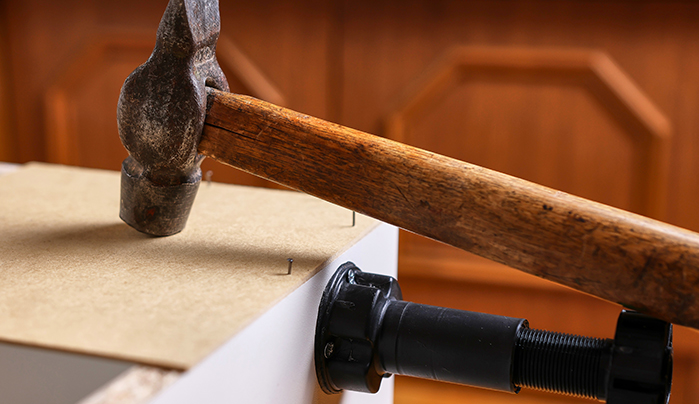
Two important aspects of plywood quality are internal consistency and surface finish.
The core gap test helps reveal the internal quality of plywood. During the test, plywood samples are precision-cut from the centre to expose their internal layers for inspection.
This allows manufacturers to check for core gaps and uneven veneer joints that may not be visible from the outside.
The source shows that some plywood samples reveal gaps and uneven joints when their internal layers are exposed. Identifying such imperfections is an important part of evaluating plywood quality.
Visual inspection alone may not always detect internal gaps or voids. This is where advanced manufacturing technology can play an important role.
CenturyPly factories use AI-enabled ultrasound scanning machines to scan every sheet for gaps and voids that may not be detectable by the human eye.
According to the source, this scanning process helps identify internal imperfections before the plywood leaves the factory. It is an additional quality-control step designed to ensure consistency across the sheets.
CenturyPly Club Prime is made with a full 8 ft x 4 ft panel core on the top layer, which contributes to a smoother surface.
The source also highlights that the top layer is 100% full panel, leaving less scope for surface undulations and helping deliver a smooth and uniform surface finish.
This demonstrates how the construction of the plywood can influence the appearance and consistency of its surface.
The surface finish test evaluates the smoothness of the plywood face.
During this evaluation, the surface is examined for visible unevenness and undulations. According to the source, some plywood samples show visible surface bumps, while CenturyPly Club Prime is designed to provide a smoother and more uniform finish.
Double-side calibration further contributes to the quality of the surface finish by helping achieve a more consistent plywood surface.
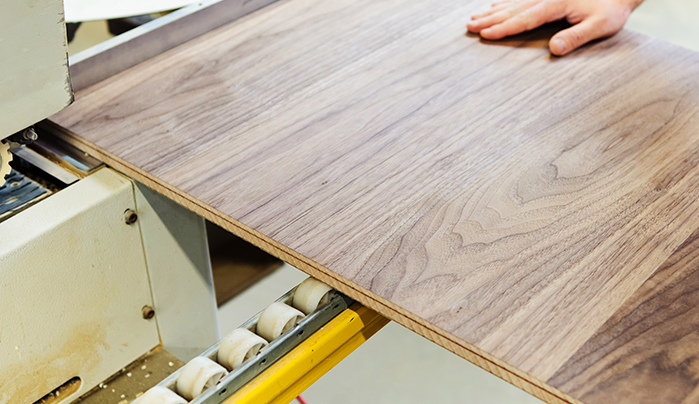
When selecting plywood for your home, consider the following:

Good manufacturing quality is an important part of reducing the possibility of plywood-related problems. However, a covered manufacturing defect may still occur in some cases.
Total Cover is India's first comprehensive warranty commitment on plywood. If a covered defect is confirmed on a plywood registered within Total Cover, within the first 10 years from the date of purchase, CenturyPly will reimburse the cost arising from that defect, including plywood, laminates or veneers, adhesives, labour, transportation, etc.
To avail benefits of Total Cover, register your purchase on https://www.centuryply.com/totalcoverwarranty, within 90 days of purchase.
It is important to understand that Total Cover Warranty does not prevent core gaps or improve the surface finish. It is an additional warranty protection and does not replace good manufacturing quality or proper product selection.
Checking plywood quality involves looking beyond the surface. Understanding the core gap test, internal quality checks, AI-enabled ultrasound scanning, surface finish testing, and calibration can help homeowners make a more informed decision.
By considering both manufacturing quality and additional protection such as the CenturyPly Total Cover Warranty, you can choose plywood with greater confidence for your home interiors.
Loading categories...


