
Consumer
Minimal homes look effortless! At least, that's what most people think. You see a clean living room, a simple color palette, and furniture with sleek lines. Everything looks calm and perfectly placed. It almost feels as if the space came together on its own.
The reality is usually different. Designers spend a lot of time making sure minimalist homes do not feel cold. That is often the biggest challenge. A room can look beautiful and still feel unwelcoming. Too much white can make a space feel flat. Too many smooth surfaces can make it feel lifeless. And that is where wood veneers step in.
You may not notice them immediately. Yet they are often the reason a room feels warm, balanced, and comfortable. From wardrobes and wall panels to media units and shelving, veneers bring in natural texture without taking away from the simplicity of the design. It is one reason they continue to appear in modern homes year after year.
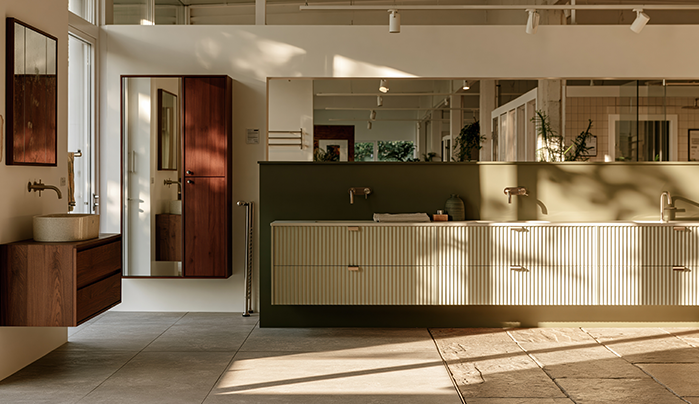
There was a time when wood interiors often felt bulky. Large wooden cabinets, dark furniture, and heavy finishes dominated many homes. Today's interiors are different. People still want the warmth of wood, but they want it in a lighter and more refined way. That is why veneers have become such a popular choice. They bring together several qualities that designers value:
The beauty of veneers lies in their balance. They make a space feel richer without making it feel crowded. And in minimalist interiors, that balance matters a lot.
Spend a few minutes browsing interior inspiration online and a pattern quickly appears. Light wood is everywhere. There is a reason for that. Lighter veneer shades help interiors feel open and relaxed. They reflect natural light beautifully and make even compact rooms feel more spacious. Designers often gravitate towards:
These shades work particularly well with:
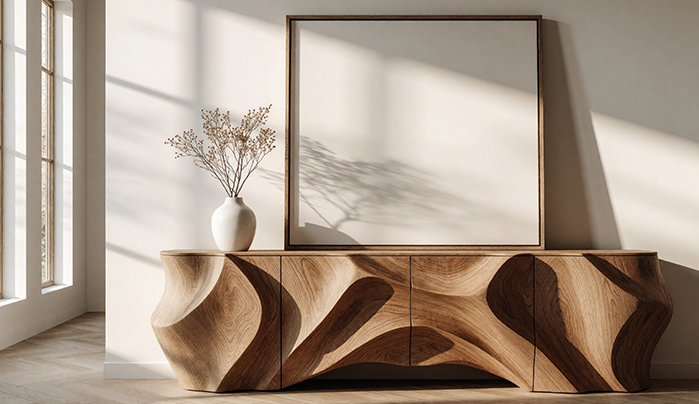
Nothing feels forced. The room simply feels calm. This is one reason Scandinavian-inspired homes continue to rely heavily on pale wood finishes. They make spaces feel bright without feeling stark.
Minimalism is often associated with light colours. But designers know that contrast is equally important. Without some variation, a room can start feeling one-dimensional. That is where darker veneers come into play. Walnut finishes, smoked oak, and deeper teak tones add richness and depth. The trick is knowing where to use them. You will often find darker veneers on:
What you rarely see is an entire room covered in dark wood. Most designers prefer restraint. One well-placed veneer feature often creates more impact than several competing elements.
A few years ago, glossy surfaces seemed to be everywhere. Today, many homeowners are moving in a different direction. They want interiors that feel softer and more natural. That shift has made matte veneer finishes increasingly popular. Unlike glossy surfaces, matte veneers do not bounce light aggressively around a room. Instead, they create a gentler look.
The result feels:
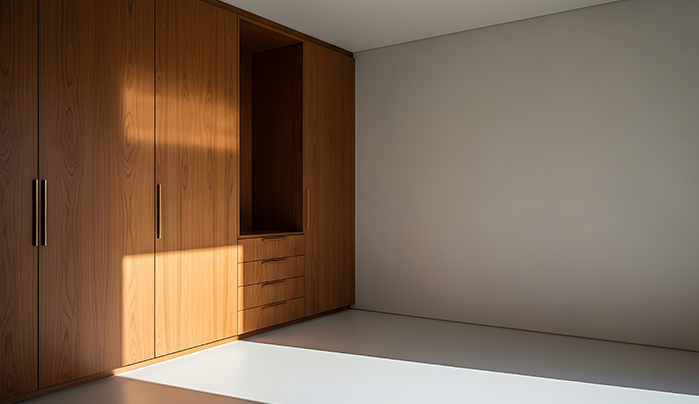
These finishes work particularly well in bedrooms, reading corners, study areas, and lounge spaces. They also photograph beautifully, which partly explains their growing popularity.
Even minimalist spaces need a focal point. Otherwise, every room starts looking the same. Many designers solve this challenge with veneer feature walls. Rather than adding excessive décor, they allow the wood itself to become the highlight. Some popular applications include:
The grain naturally introduces movement and texture. That means the wall feels interesting without feeling busy. It is a simple idea, but it works remarkably well.
Modern homes increasingly favour open plans. Living areas connect with dining spaces. Dining spaces flow into kitchens. The challenge is making everything feel connected. Veneers help create that sense of continuity. Designers often repeat the same finish across multiple areas rather than introducing several different materials. You might see the same veneer used across:
Most visitors may not consciously notice this detail. But they notice the result. The home feels cohesive. And that sense of visual flow makes a significant difference.
Trends come and go. Certain veneer styles, however, continue finding their way into modern homes.
These remain one of the most requested options. They suit Scandinavian interiors, Japandi-inspired homes, and contemporary apartments equally well.
When a space needs more depth, walnut is often the answer. It adds richness without overwhelming the room.
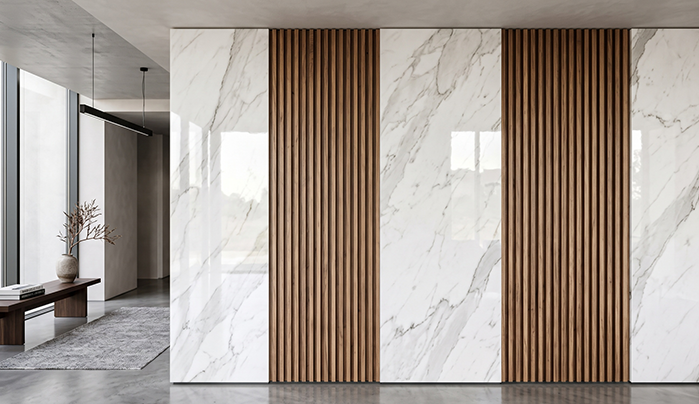
These finishes create moodier interiors while still maintaining a sophisticated look.
Designers are increasingly moving away from perfectly smooth surfaces. Textured veneers bring a more authentic and tactile quality to a space. The common theme across all these styles is simple. People want homes that feel natural.
At CenturyPly, we understand that every home tells a different story. Some homeowners prefer light and calming interiors. Others gravitate towards deeper tones and stronger contrasts. That is why CenturyVeneers offer a wide range of options suited to different design preferences. Whether the goal is:
There is a veneer collection designed to support that vision. Collections such as NatzuraWoods, SenzuraStyles, Dark Forest, and ProgettoWood give designers the flexibility to create spaces that feel modern without losing warmth. From wardrobes and furniture to wall panelling and media units, these veneers help tie interiors together beautifully.
Minimal homes are not meant to feel empty. The best ones feel peaceful, welcoming, and comfortable from the moment you walk in. That feeling rarely comes from furniture alone. It often comes from the materials used throughout the space. Veneers play an important role in creating that experience. They soften clean lines, introduce natural texture, and bring warmth into interiors that might otherwise feel too plain. Perhaps that is why designers continue returning to them, regardless of changing trends. Some design choices simply stand the test of time. Wood veneers happen to be one of them.
Light oak, ash, and soft teak veneers are often preferred because they help interiors feel brighter and more open. These shades pair easily with neutral colour palettes and suit most contemporary homes.
Yes. Veneers add warmth and texture without making compact spaces feel visually crowded. Lighter finishes can also help smaller rooms appear more spacious and airy.
Many homeowners now prefer surfaces that feel natural rather than highly polished. Matte veneers create a softer appearance and blend comfortably into modern living spaces.
Absolutely. Designers frequently use veneers for feature walls, headboard panels, TV units, wardrobes, and shelving. Using the same finish across different surfaces can create a more cohesive look.
They do. Veneer feature walls introduce texture and visual interest while maintaining the simplicity that minimalist homes are known for. They often become focal points without overwhelming the room.
Loading categories...


