
Consumer
A decade ago, HDHMR in a kitchen cabinet was barely a conversation. Plywood went everywhere and that was the accepted approach. The picture has changed. HDHMR now appears as a standard call-out in modular kitchen and wardrobe specifications across India, driven by technical performance rather than preference. This guide covers what each material is, where each one belongs, and how to use both through a home without overspending.
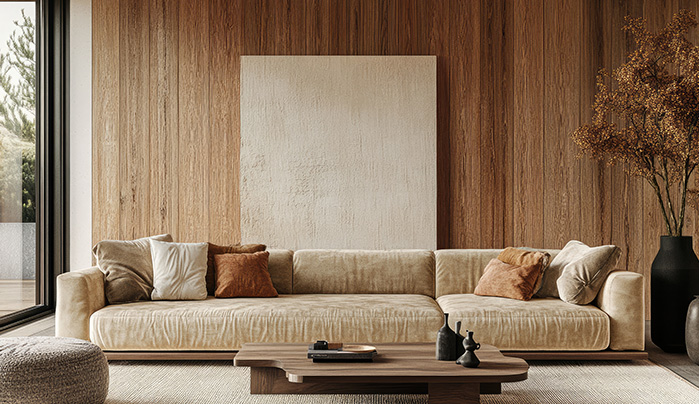
HDHMR stands for High-Density High-Moisture-Resistant. It is an engineered wood board made by compressing wood fibres with moisture-resistant resin under high pressure and heat. The result is a dense, smooth board that works well with laminates, acrylic finishes, and veneers.
HDHMR boards typically have a density between 850 and 900 kg/m³, giving them good strength and dimensional stability.
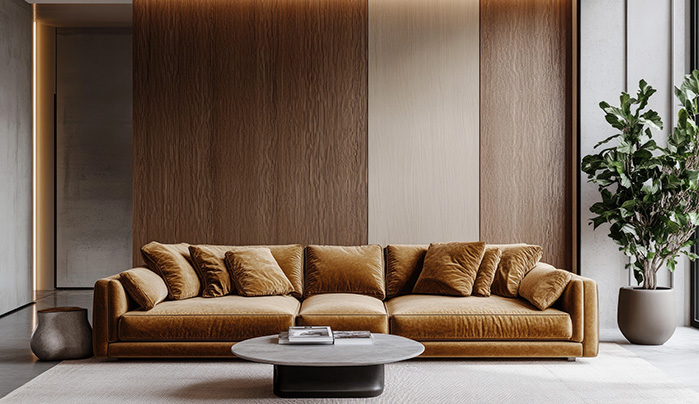
HDHMR performs well in areas exposed to humidity, steam, and occasional splashes. However, it is not fully waterproof, so applications with continuous water exposure require proper edge sealing or a more suitable waterproof board.
Plywood is made by bonding thin wood veneer layers together, with the grain of each layer running at right angles to the next. This cross-grain construction spreads loads evenly across the panel, making plywood suitable for structural applications and areas that need good load-bearing strength.
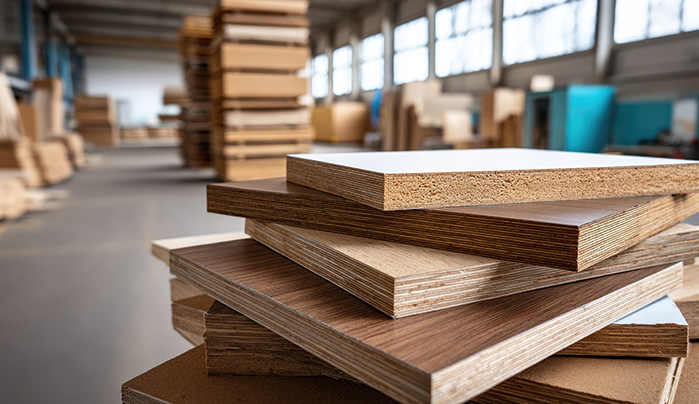
The same construction also gives plywood flexibility. It bends without cracking easily, making it suitable for curved furniture, structural frames, and applications that carry regular loads over time.
| Grade | Full Name | Best Use |
|---|---|---|
| MR Grade | Moisture Resistant | Dry interior furniture, shelving and living room use |
| BWR Grade | Boiling Water Resistant | Semi-wet areas, kitchens away from direct water |
| BWP / Marine | Boiling Water Proof | Under-sink areas, bathrooms and outdoor exposure |
The tables below show the main differences between HDHMR and Plywood
| Feature | HDHMR | Plywood (BWR/BWP) |
|---|---|---|
| Core composition | Compressed wood fibres + resin | Cross-laminated wood veneers |
| Density | 850–900 kg/m³ | 500–650 kg/m³ |
| Moisture resistance | High (resistant, not waterproof) | Varies by grade (BWP is waterproof) |
| Load bearing | Moderate | High (especially BWP grade) |
| Termite resistance | Built-in from manufacture | Requires chemical treatment |
| Surface finish | Smooth, CNC and laminate-ready | Grain visible, may need filling |
| Screw holding | Good across the panel | Better at edges with veneer structure |
| Flexibility | Low (not suitable for curved furniture) | High (bends for curved furniture) |
| CNC compatibility | Excellent | Moderate |
| Thickness range | 6mm to 25mm | 4mm to 25mm |
| Typical price (18mm) | ₹90–130 per sq.ft | ₹125–190 per sq.ft, depending on grade |
The kitchen is where the HDHMR vs plywood debate is most relevant. Steam, splashing, and daily heat exposure place real demands on cabinet materials.
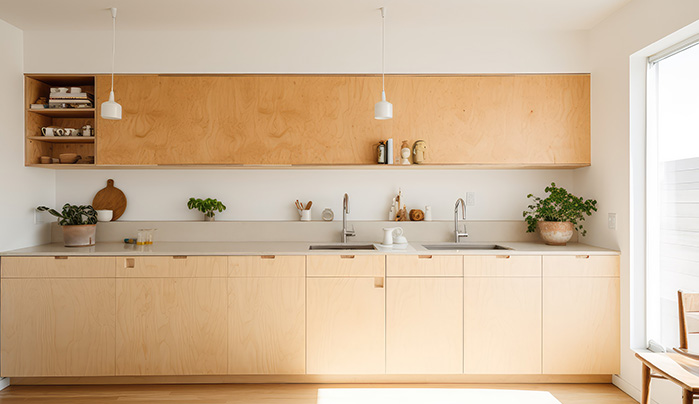
For wardrobes in rooms with attached bathrooms or coastal humidity, HDHMR manages the moisture fluctuation well. The smooth interior surface also accepts decorative finishes cleanly for a polished look inside the unit.
Load-bearing shelves within a wardrobe benefit from plywood, particularly if they carry heavy items across a long span. Plywood under load sags less over time than HDHMR at equivalent thicknesses.
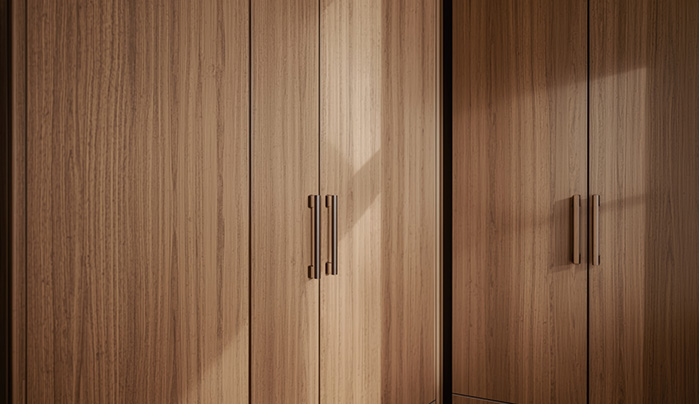
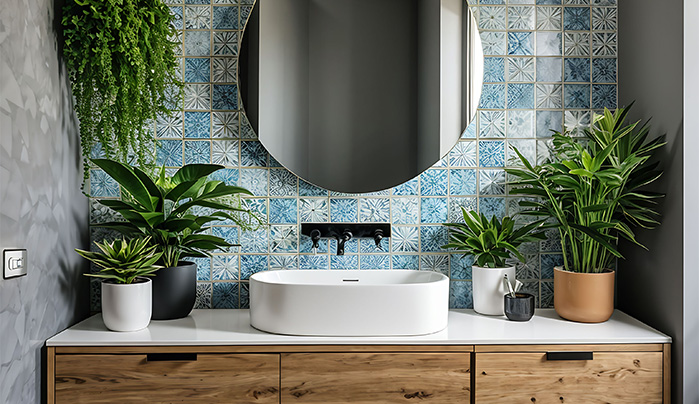
HDHMR handles bathroom humidity well when edges are sealed. For vanity carcasses near plumbing, BWP plywood is the safer long-term choice because it manages direct water exposure without delaminating.
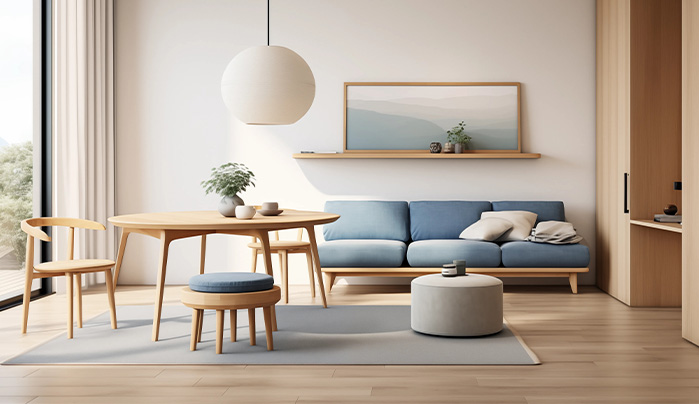
Dry environments are where plywood holds its own. Living room shelving, TV units, and storage cabinets in climate-controlled rooms work well with BWR plywood. MR grade suits non-load-bearing decorative furniture in these conditions.
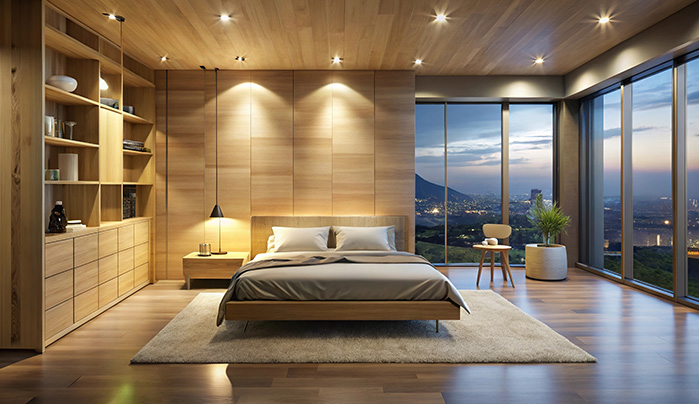
Beds and sofas that carry dynamic load need plywood. HDHMR is not suited to structural frames where weight and movement interact over the years. This is one area where plywood has no direct competition from HDHMR.
The table below shows the typical price range for each material.
| Material | 18mm Sheet (8x4 ft) Cost |
|---|---|
| MR Grade Plywood | ₹1,700 to ₹2,800 |
| BWR Grade Plywood | ₹2,200 to ₹3,600 |
| BWP / Marine Plywood | ₹2,800 to ₹6,000 |
| Plain HDHMR Board | ₹1,900 to ₹4,200 |
For most homes, the practical answer is splitting material selection by application, not choosing one board type throughout.
Use HDHMR for:
Use plywood for:
Splitting the specification this way reduces overall material cost compared to running BWP plywood through every room, while placing HDHMR in the positions where its surface quality and moisture tolerance produce the most value.
CenturyPly produces both HDHMR boards and plywood across multiple grades, making the hybrid approach practical from a single supplier.
HDHMR and plywood are designed for different applications, and the best results often come from using both where they perform best. HDHMR suits furniture that benefits from a smooth surface and good moisture resistance, while plywood remains the preferred choice for structural strength and long-term load-bearing applications. CenturyPly offers both materials across different grades, making it easier to choose the right board for each part of your home instead of relying on a single solution for every application.
HDHMR is a compressed wood fibre board with uniform density and moisture resistance built in from manufacture, producing a flat, grain-free surface suitable for laminates. Plywood is cross-laminated veneer, which gives it structural strength and flexibility, two properties that HDHMR cannot replicate.
Kitchen shutters and drawer fronts suit HDHMR because the grain-free surface takes finishes cleanly and the board handles steam without warping. The carcass structure and under-sink areas need BWP-grade plywood, where sustained water contact from plumbing is a real and ongoing risk.
HDHMR handles humidity, steam, and incidental splashes without swelling when edges are properly sealed, but it is not a fully waterproof board. For areas with regular direct water contact, such as under-sink base units, marine-grade BWP plywood is the correct specification.
HDHMR costs more than MR-grade commercial plywood but typically sits below BWP marine-grade pricing. For moisture-prone applications where the alternative is premium waterproof plywood, HDHMR generally provides better value at a lower price point without sacrificing moisture performance.
Bed frames, sofa bases, and structural carcasses carry dynamic weight and repeated movement over the years, conditions that HDHMR is not built for. Plywood handles those applications reliably because its cross-grain construction distributes load and resists the stress that structural furniture produces throughout its service life.
Loading categories...


