
Consumer
Modern infrastructure needs have evolved rapidly, shaping new expectations for shared spaces. Today, washrooms are not just shared spaces but essential environments that offer hygiene, privacy, and durability. This is now non-negotiable as it has become the new standard in washroom solutions.
These factors determine how people perceive cleanliness, safety, and other aspects of comfort in public and commercial spaces. At CenturyPly, we are committed to making spaces both functional and aesthetic, while also being compliant with modern standards. In this guide, we will dive deep into it by discussing:
Together, these aspects help shape washroom spaces that are durable, hygienic, and thoughtfully designed.
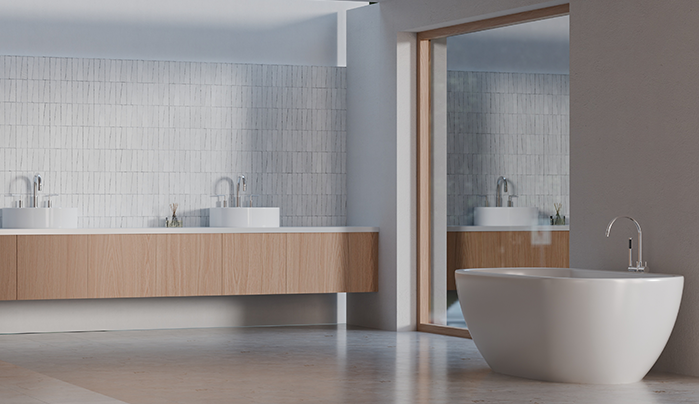
Modern washrooms traditionally lack the ability to handle continuous usage, and if this issue persists, it can raise serious hygiene concerns, damage the interiors of the washroom and also compromise privacy.
This is exactly why traditional solutions are no longer sufficient; washrooms today need:
As a result, businesses are increasingly opting for advanced materials and smarter designs, and the demand continues to grow steadily.
Modern washroom designs aren’t random, but they stand on certain pillars which address the aspects of hygiene, privacy, and durability.
Washrooms are under consistent exposure to water, humidity, and frequent usage. This makes them highly prone to wear and tear, and also, after the pandemic, they have become a breeding ground for germs.
For this reason, the modern washroom designs must use materials that:
These solutions also reduce the maintenance costs and maintain hygiene standards even after long-term use.
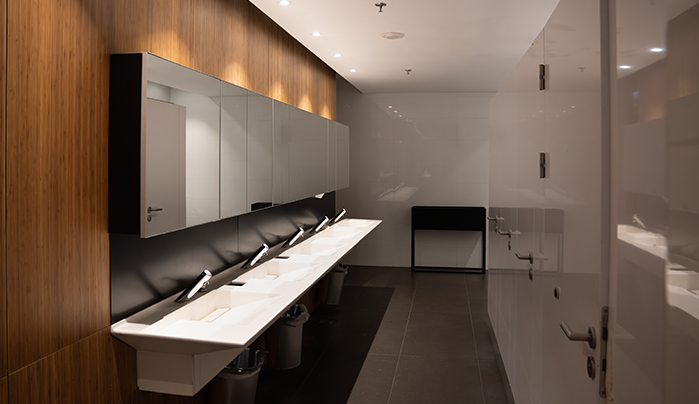
Be it a public washroom or a private one, privacy is non-negotiable in these spaces. If the partitions are poorly designed, they can make the person using the washroom uncomfortable, as well as cause dissatisfaction among them.
This is the reason modern solutions focus extensively on:
Aesthetics in public spaces is a debated topic; some people believe that they serve no purpose. But nothing could be further from the truth. Aesthetic elements in public spaces, which are also functional, have a significant impact on the mental well-being of people who regularly visit or use them, and create a more memorable and welcoming environment.
This is why modern washroom designs focus on:
Design is no longer optional; in fact, it is a non-negotiable aspect when it comes to modern washroom solutions.
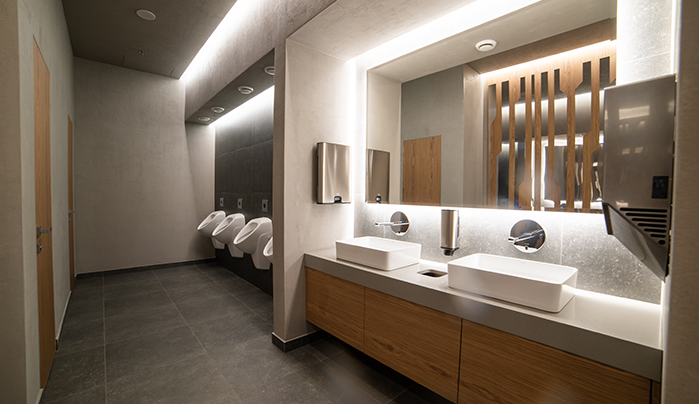
The above pillars can be met by two materials: WPC Boards and PVC Boards. Here is a simple comparison to help you understand their differences:
| Feature | WPC Boards | PVC Boards |
|---|---|---|
| What They Are | A blend designed for strength and durability in demanding spaces | A versatile material known for its lightweight and practical use |
| Moisture Handling | Handles moisture and humidity really well, making it ideal for wet areas | Naturally water-resistant, so it performs reliably in washrooms |
| Strength & Stability | Strong and stable, suitable for long-term use without frequent repairs | Lightweight but still durable enough for everyday use |
| Maintenance | Requires minimal upkeep and stays in good condition over time | Very easy to clean and maintain with regular use |
| Best Use Case | Great for high-traffic washrooms where durability is key | Works well in spaces where easy handling and maintenance matter |
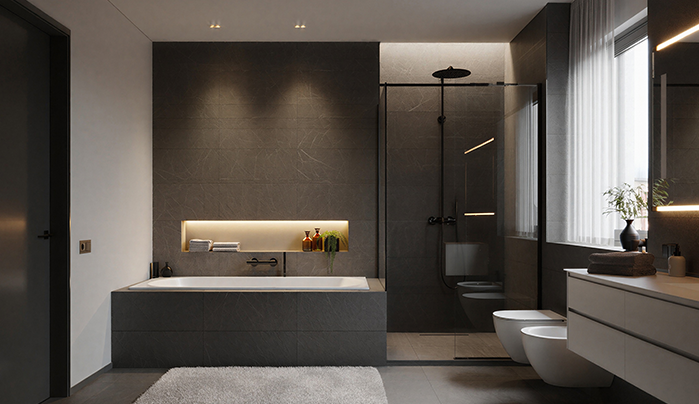
When selecting materials for washroom solutions, there are a few features you need to look for. These features are:
Hygiene, privacy, and durability are absolutely non-negotiable for modern washroom solutions. With CenturyPly WPC and PVC Boards, you can create washroom spaces that meet modern expectations without compromising on anything. Features like ViroKill Technology, Boiling Water Proof and superior durability make them a suitable solution for present-day washroom needs.
Modern washroom solutions use materials like WPC and PVC boards, which are resistant to moisture, wear, and daily usage.
Privacy ensures user comfort and satisfaction, especially in shared or public spaces.
Yes, both materials are designed to perform well in humid and wet conditions.
They optimise space, enhance privacy, and make maintenance easier.
You should focus on durability, hygiene, privacy, and aesthetic appeal.
Loading categories...


