Consumer
whatsapp
Dial Customer Care1800-5722-122

Choosing Weather-Ready Doors for the Monsoon to Winter Transition

Our homes are meant to be our sanctuaries-places where we are safe from the elements while reflecting our style. In India, the shift from monsoon to winter is a challenge that ordinary doors can hardly manage.


A weather-ready door should do more than just close well. It must withstand heavy rainfall and humidity during the monsoon, insulate in winter, and maintain its shape and appearance despite constant seasonal changes.


This guide will help you choose doors that are ready to make the transition from monsoon to winter and show how solutions like CenturyDoors can secure your home throughout the year.


Understanding Doors for Seasonal Transitions


India’s weather has extreme fluctuations in humidity and temperature. Monsoon seasons are accompanied by high moisture, heavy rainfall, and variations in pressure, whereas winter seasons require thermal comfort and resistance to contraction-related cracking.


  • Core material
  • Surface finish
  • Sealing
  • Structural design

Unless designed to resist weather conditions, doors can become a weak point in the building structure, allowing moisture, drafts, and noise to enter.
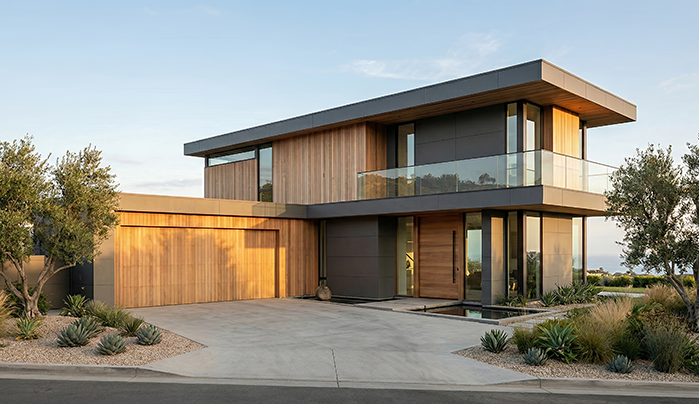

Decorative door- CenturyPly

Why Door Quality Matters from Monsoon to Winter?


A poor-quality door swells during the monsoon, shrinks during winter, and develops gaps, cracks, and operational issues. In the long run, this impacts comfort, safety, and aesthetics. A weather-ready door should:


  • Resist swelling, warping, and rot during high humidity
  • Ensure smooth operation throughout seasonal changes
  • Prevent finishes from peeling, bubbling, or discolouring
  • Protect hardware against corrosion and rough movement

Key Features for Monsoon to Winter Protection


When selecting doors, focus on features that directly support seasonal performance rather than just looks. Key attributes include:
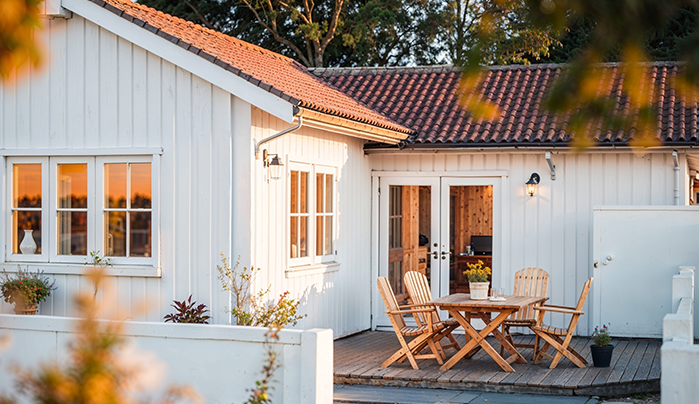

  • Moisture-resistant core
    Engineered or composite cores designed to absorb minimal moisture and remain dimensionally stable.
  • Protected edges
    Sealed edges and proper edge banding, as doors are most vulnerable to water ingress at the edges.
  • Quality weatherstripping
    Multi-layer sealing around the frame to keep out rain, drafts, and dust.
  • Durable finishes
    Exterior-grade coatings or laminates that can withstand humidity, UV exposure, and temperature shifts.
  • Stable frame construction
    Frames designed to accommodate minor expansion and contraction without losing alignment.

Moisture resistant door - CenturyPly

Choosing a Weather-Ready Door


Once you know what to look for, the next step is selecting the appropriate door material. Generally, there are three types of high-performance doors.


Engineered Wood Doors: The Balanced Choice


Engineered wood doors consist of cross-layered sheets rather than a solid plank. This structure reduces natural movement while retaining the warmth and beauty of wood.


Best for: Modern apartments and homes in cities with strong monsoons and mild to moderate winters, particularly for main and room doors.


Key advantages:


  • Better resistance to warping compared to solid wood
  • Lighter than solid hardwood, making them easier to install and adjust
  • Consistent appearance with fewer surface defects
  • Good performance when paired with quality finishes and seals

Considerations:


  • Requires periodic checking of edges and finishes
  • Not ideal if constantly exposed to heavy rain

Door for modern home - CenturyPly

Solid Hardwood Doors: The Premium Standard


Solid hardwood doors made from teak or other dense wood species provide timeless appeal and great strength. However, they are more susceptible to moisture and temperature changes.


Best for: Luxury homes, villas, or heritage-style spaces where aesthetics are a priority and regular maintenance is acceptable.


Key advantages:


  • Premium appearance and natural grain
  • Excellent sound dampening and solid feel
  • Long lifespan when professionally maintained

Considerations:


  • Higher tendency to swell or shrink with seasonal changes
  • Requires expert installation and regular refinishing
  • More prone to developing gaps around frames if not maintained

Composite & Hybrid Doors: The Ultimate Protection


Composite and hybrid doors consist of engineered wood cores combined with high-tech composite outer layers and advanced weatherstripping. They are specifically developed to address harsh climatic conditions.


Best for: Coastal regions, high-rainfall zones, and homes that experience intense monsoons and noticeable winters.


Key advantages:


  • High resistance to moisture, warping, and cracking
  • Low maintenance compared to traditional wooden doors
  • Good thermal and acoustic insulation
  • Compatibility with modern security and locking systems

Considerations:


  • Higher initial investment compared to basic wooden doors
  • Visual styles may be more contemporary than traditional in some models

Swell proof door - CenturyPly

Maintenance Steps for Seasonal Transitions


Even the best doors benefit from basic seasonal care. Simple, regular steps can extend performance for years and prevent costly repairs.

Before monsoon


  • Check weatherstripping and repair any cracked or damaged parts.
  • Inspect frame sealant and fill minor cracks using flexible exterior-grade sealant.
  • Tighten hinge screws and lubricate locks and latches.
  • Refinish worn or peeling surfaces using appropriate coatings.

During monsoon


  • Wipe door surfaces after heavy rain to avoid water spots and stains.
  • Ensure water does not accumulate near doorsteps and drainage systems remain clear.
  • Watch for sticking or rubbing and address it early instead of forcing the door.

Before winter


  • Check for new gaps around the door where cold air may enter.
  • Oil hinges and locks to prevent stiffness in colder weather.
  • Clean and condition wooden surfaces to avoid drying and cracking.

Stylish door - CenturyPly

CenturyDoors’ Weather-Ready Solutions


CenturyDoors are developed with Indian climatic conditions in mind, including challenging monsoon-to-winter transitions. These solutions focus on both performance and aesthetics, helping homeowners create beautiful yet durable entrances.


Key aspects of CenturyDoors include:


  • Design flexibility with options that complement modern and traditional interiors
  • Engineered and hybrid cores that resist warping under humidity variations
  • High-performance surface coatings with long-lasting durability

With CenturyDoors, homeowners can enjoy reliable weather performance along with the design freedom needed to match their interiors, ensuring peace of mind in every season of the year.


FAQs


1. Are engineered doors better than solid wood for monsoon-to-winter transitions?

Yes, engineered doors are generally more stable under changes in humidity and temperature compared to solid wood.


2. Do I need special maintenance for doors in high-monsoon areas?

Simple seasonal checks of seals, finishes, and hardware are essential to detect and prevent swelling, sticking, and water damage.


3. Are composite doors worth the extra cost?

Yes, they are a good option in harsh climatic conditions, as they are highly durable and require low maintenance over time.


4. Can CenturyDoors be used for both main and internal doors?

Yes, the range includes options suitable for both main entrance doors and internal applications, depending on design and

Request More Information
whatsapp